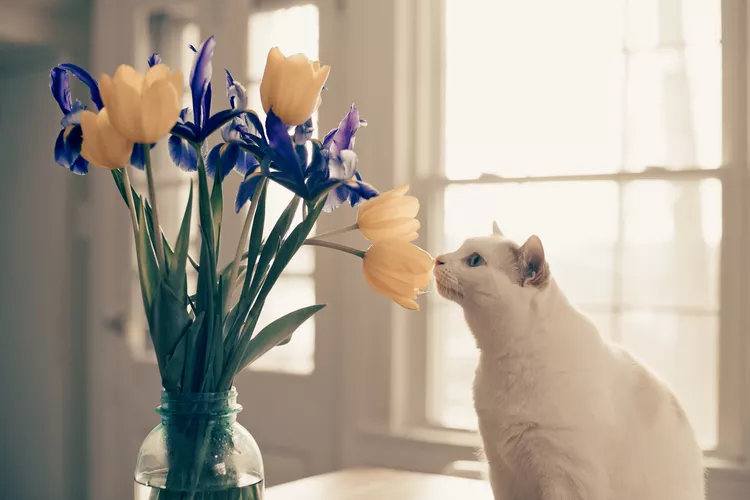
Did you know that a cat's sense of smell is about 14 times stronger than a human's? That's because the total capacity of the cat's nasal organ is comparatively larger than that of a human. It could be said that a cat's nose is its most important sensory organ.
Cats depend on their sense of smell for their very survival. A cat uses scent to sniff out food, mates, and enemies, and to identify the limits of the territories they have previously marked. The world of a cat is comprised of the world of scents and odors.
Right after birth, the blind kitten will use its sense of smell to locate its mother and to latch onto a teat. From then on, a cat's sense of smell will always lead it to food, yet sometimes in unlikely places. A cat will search high and low, in high tree branches as well as your kitchen cabinets, for the next morsel.
Because taste is so closely associated with smell, any cat with an active upper respiratory infection or even the aging cat with a reduced sense of smell may go "off" their food. You can help a cat like this by warming its food slightly to increase and enhance the odor and stimulate its appetite.
Female cats in heat (in the estrus cycle) exude a powerful sex pheromone that can be sniffed or "scented" by a male even at a distance of a mile away. If you've ever been entertained by a chorus of lusting tomcats outside your home while your unspayed female cat tries every means of escape, you'll appreciate this phenomenon. Female cats can also scent out a preferred mate by sniffing the male's territorial markings.
Male cats mark their territory with urine or with pheromones from glands in their face and feet. They will travel their territorial boundaries frequently, sniffing at their markings, and reapplying when the odor diminishes. Other male cats will smell the markings and either respect the territory or attempt to take it over by introducing their scent markings over top of the original.
Have you ever observed a cat entering the outdoors with head held alert, whiskers twitching, and nostrils wide open? The cat in this stance is sniffing out potential harm and also collecting information about recent passers-by. If another cat has recently ventured near, or if there was fish in the delivery truck next door, the nose will tell the story with help from a powerful olfactory accessory organ.
Cats (along with snakes and also a few other mammals) have a magnificent organ called the vomeronasal organ, most often known as the Jacobson's organ. It is located in the nasal septum, just above the roof of the mouth, and it connects to the rest of the nasal cavity. Wrinkling and lifting its lips enables a cat to open up the ducts to the Jacobson's organ.
The appearance of the cat bringing air into the Jacobson's organ has sometimes been likened to a slightly open-mouthed "smile;" this is called the Flehmen response. The Jacobson's organ seems to play a large role in the sense of smell in all wild and domestic cats, no matter their size or species.
A cat's nose leather may be either black or pink, depending on genetics and the cat's basic coloring. Nose leather has a tough surface, but it is living tissue that is susceptible to disease. As with all mammals, white or light-colored cats are prone to a squamous cancer of this part of the nose and the ears.
This cancer is especially common when the cat is frequently exposed to the sun over long periods. If your cat gets a frequent sunburn to this area, there are veterinarian-approved sunscreens, compounded to be used on a cat's delicate nose and ear tips.

Swollen Lymph Nodes in Dogs
Dogs' lymph node glands may become enlarged due to infection or disease. Learn the causes, treatment, and prevention.
What Is Spaying? All About the Procedure in Dogs
What is a spay? Should you have your dog spayed? Learn what it means to spay a dog, a procedure also known as an ovariohysterectomy.
Can Dogs Eat Popsicles?
You might be wondering can dogs eat popsicles? Certain types of frozen treats are safe for your dog, but you need to be aware of ingredients and allergies
Can Dogs Drink Milk?
Dogs can have milk, providing they are not lactose intolerant. It should really only be given in small quantities though
Can My Dog Eat Tomatoes?
You'll want to keep Fido out of your garden since the tomato plant is toxic, but you can safely offer him ripe tomatoes as a nutrient-packed treat.
Can Dogs Taste Spicy Flavors?
While dogs and humans experience some flavors differently, dogs do taste spicy flavors and in some cases, this can be harmful for them.
Should You Allow Your Indoor Cat to Go Outside?
Here are pros, cons, and safety considerations for allowing indoor cats to explore outdoors and the indoor vs outdoor cats debate, plus safety tips.
Can My Spayed Cat Still Be in Heat?
If your cat was spayed but appears to be in heat, the condition may be caused by several factors. Learn about them here.
How to Keep Cats Cool in Summer
Summertime means heat and with increased temperatures, you have an increased risk of heatstroke in cats. Find out how to prevent heatstroke and keep your cat cool in the summer.
Taurine for Cats
Taurine is an essential animal protein in your cat's diet. Learn more about the various ways it supports your feline's body.
Why Is My Cat Always Hungry and Meowing?
A cat can act like it is always hungry, and there may be a medical reason for this. Learn what behavior is normal and when to see your veterinarian.
Elf Cat: Breed Profile, Characteristics & Care
Elf cats are a new, rare cross between a sphynx and American curl with curly ears and a playful personality.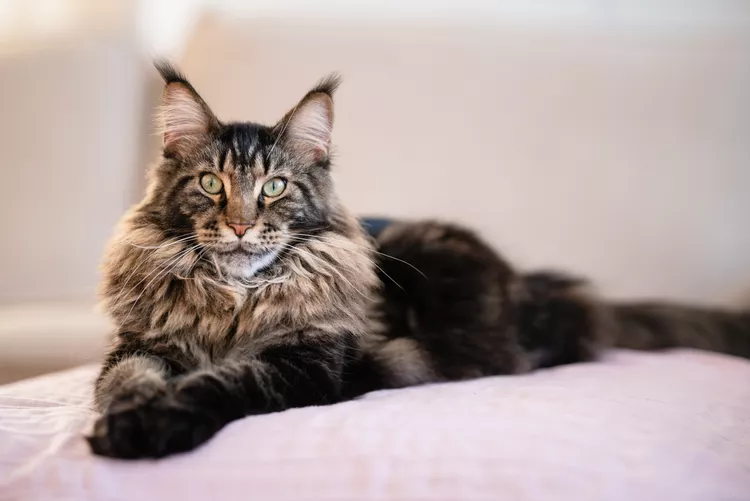
Maine Coon Cat: Breed Profile, Characteristics & Care
The Maine Coon cat is of the largest cat breeds in the world. These amiable, gentle cats make great companions. Learn about the Maine Coon cat breed's appearance, temperament, health, and care needs.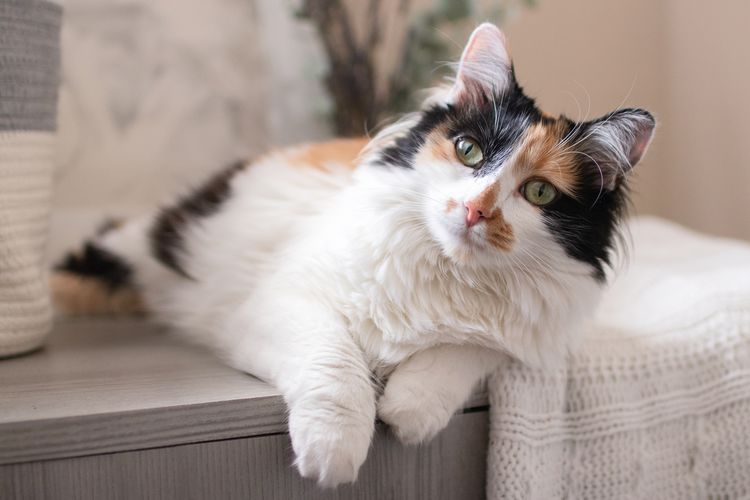
Calico Cat: Breed Profile, Characteristics & Care
Calico cats boast unique tri-color coats, and they are famous for being both spunky and sweet. Learn about the calico cat color pattern.
Bombay: Cat Breed Profile, Characteristics & Care
The Bombay cat, a mix of the Burmese and the American shorthair, features an all-black coat, a stocky build, and a friendly demeanor.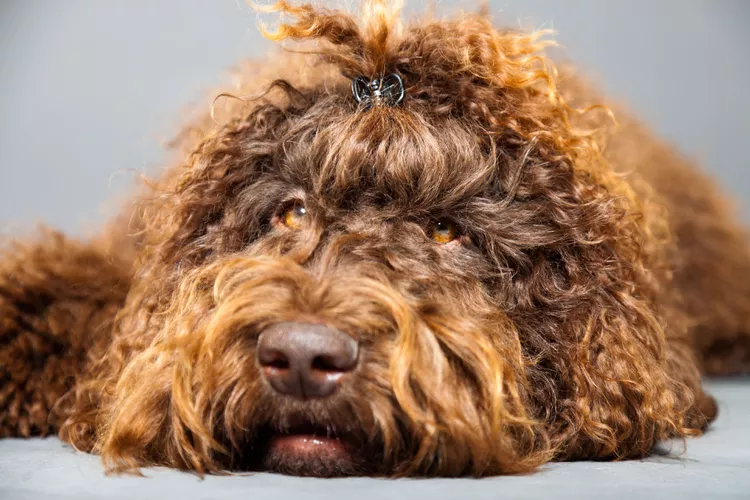
Barbet: Dog Breed Characteristics & Care
Learn about the barbet dog, a French hunting breed that's tough to find in the United States. It's known for its curly coat and calm demeanor.
Bichon Frise: Dog Breed Characteristics & Care
The bichon frise is a fluffy little white dog with a joyful personality. Learn more about its appearance, personality, history, care, and more.
Australian Kelpie: Dog Breed Characteristics & Care
The Australian kelpie is an intelligent, high-energy dog breed developed for herding. Learn about the Australian kelpie, including temperament, appearance, history, and care needs.
How to Teach Your Dog to Play Dead in 4 Steps
Playing dead is a fun dog trick that most dogs can pick up pretty quickly. Learn simple steps to teach your dog to play dead when you say "bang."
Different Meanings of a Dog's Wagging Tail
A dog wagging his tail is a common sight, but it may mean more than you think. Find out why dogs wag their tails and what canine tail wagging means.


