Spaying dogs is a common practice, but what is it, how is it done, and how does it affect your dog? Learn why you might want to have your dog spayed so you can decide whether or not to go forward with the procedure. Many people confuse spaying with neutering. Spaying is a surgical procedure to remove the ovaries and uterus from female dogs and neutering is a surgical procedure to remove the testicles from male dogs.
The word "spay" is a common term for ovariohysterectomy. This is a surgical procedure that involves the removal of a female dog's reproductive organs. A spay must be performed under general anesthesia by a veterinarian. The procedure will permanently stop the dog from having heat cycles and being able to reproduce. In some cases, veterinarians will remove just the ovaries and leave the uterus intact. This procedure is called an ovariectomy, but its effects are essentially the same as with an ovariohysterectomy.
Dogs are typically spayed in order to eliminate the possibility of reproduction, but there are many other benefits to the procedure, including:
Dogs are often spayed around the age of six months, before the reproductive system is active. Puppies adopted from animal shelters may be spayed even earlier to ensure that the procedure is performed. In some cases, it is beneficial to delay spaying, for instance when a dog has a recessed vulva that predisposes it to infections or to reduce the risk of orthopedic diseases in some large breeds.
While spaying is best thought of as a preventative measure performed in young animals, older dogs may need to be spayed after their show or reproductive career is over or to treat diseases of the ovaries and uterus and other medical conditions.
Complications are uncommon during a routine spay. However, the procedure is not without risks. As with any surgical procedure, potential complications include anesthesia reaction, excessive bleeding, bruising, and infection. Some dogs may develop hormone-related urinary incontinence.
It's important for a veterinarian to thoroughly examine the dog and perform lab work prior to surgery. These procedures may reveal health issues that increase the dog's risk of complications during and after surgery. In cases where an underlying health problem is found, the veterinarian may recommend further diagnostics, like additional lab work, radiographs, ultrasound, and additional lab tests prior to anesthesia. The vet may adjust the anesthesia protocol for the dog's safety. Or, the vet may decide that anesthesia is not safe for the dog at this time.
Overall, the prognosis for recovery is excellent in healthy dogs.
Spaying is routine surgery. In general, the full process around the spay will last about one to two hours (from the time anesthesia starts until the dog is awake). The spay surgery itself typically takes about 30 minutes. Here's what happens during the different phases of the spaying surgery:
Most dogs recover very quickly from spay surgery. However, it is important to keep your pup rested and relatively inactive for a week or two after the surgery to allow for proper healing. Running and jumping too soon can irritate the tissue in the abdomen, causing inflammation and pain. It can also make sutures tear, possibly causing internal bleeding or the incision to open up. Too much activity can slow the healing process and lead to complications.
The dog must also be kept from licking the incision. As the incision heals, discomfort or itching may lead the dog to lick the area. This introduces bacteria and causes irritation, which can lead to an infection. In extreme cases, dogs can also chew out their sutures.
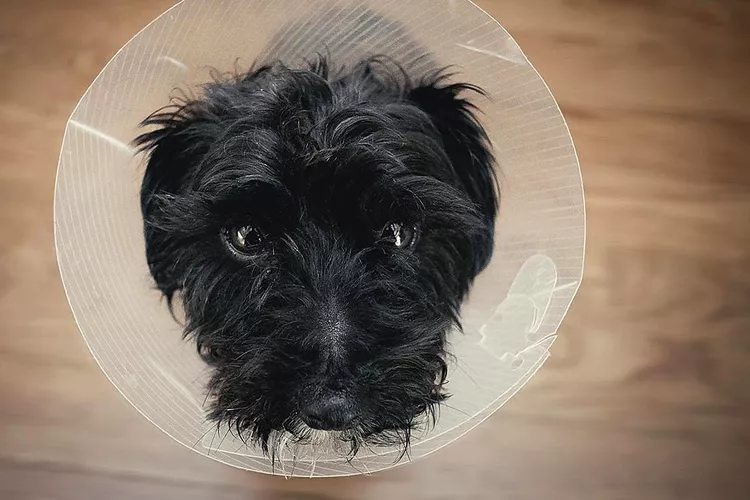
The vet may send the dog home with an Elizabethan collar, known informally as an "e-collar." The collar resembles a lampshade and blocks the dog from licking the incision. Most dogs dislike the collar, but it's better than having to go back to surgery or risk infection of the surgical wound.
Swollen Lymph Nodes in Dogs
Dogs' lymph node glands may become enlarged due to infection or disease. Learn the causes, treatment, and prevention.
What Is Spaying? All About the Procedure in Dogs
What is a spay? Should you have your dog spayed? Learn what it means to spay a dog, a procedure also known as an ovariohysterectomy.
Can Dogs Eat Popsicles?
You might be wondering can dogs eat popsicles? Certain types of frozen treats are safe for your dog, but you need to be aware of ingredients and allergies
Can Dogs Drink Milk?
Dogs can have milk, providing they are not lactose intolerant. It should really only be given in small quantities though
Can My Dog Eat Tomatoes?
You'll want to keep Fido out of your garden since the tomato plant is toxic, but you can safely offer him ripe tomatoes as a nutrient-packed treat.
Can Dogs Taste Spicy Flavors?
While dogs and humans experience some flavors differently, dogs do taste spicy flavors and in some cases, this can be harmful for them.
Should You Allow Your Indoor Cat to Go Outside?
Here are pros, cons, and safety considerations for allowing indoor cats to explore outdoors and the indoor vs outdoor cats debate, plus safety tips.
Can My Spayed Cat Still Be in Heat?
If your cat was spayed but appears to be in heat, the condition may be caused by several factors. Learn about them here.
How to Keep Cats Cool in Summer
Summertime means heat and with increased temperatures, you have an increased risk of heatstroke in cats. Find out how to prevent heatstroke and keep your cat cool in the summer.
Taurine for Cats
Taurine is an essential animal protein in your cat's diet. Learn more about the various ways it supports your feline's body.
Why Is My Cat Always Hungry and Meowing?
A cat can act like it is always hungry, and there may be a medical reason for this. Learn what behavior is normal and when to see your veterinarian.
Elf Cat: Breed Profile, Characteristics & Care
Elf cats are a new, rare cross between a sphynx and American curl with curly ears and a playful personality.
Maine Coon Cat: Breed Profile, Characteristics & Care
The Maine Coon cat is of the largest cat breeds in the world. These amiable, gentle cats make great companions. Learn about the Maine Coon cat breed's appearance, temperament, health, and care needs.
Calico Cat: Breed Profile, Characteristics & Care
Calico cats boast unique tri-color coats, and they are famous for being both spunky and sweet. Learn about the calico cat color pattern.
Bombay: Cat Breed Profile, Characteristics & Care
The Bombay cat, a mix of the Burmese and the American shorthair, features an all-black coat, a stocky build, and a friendly demeanor.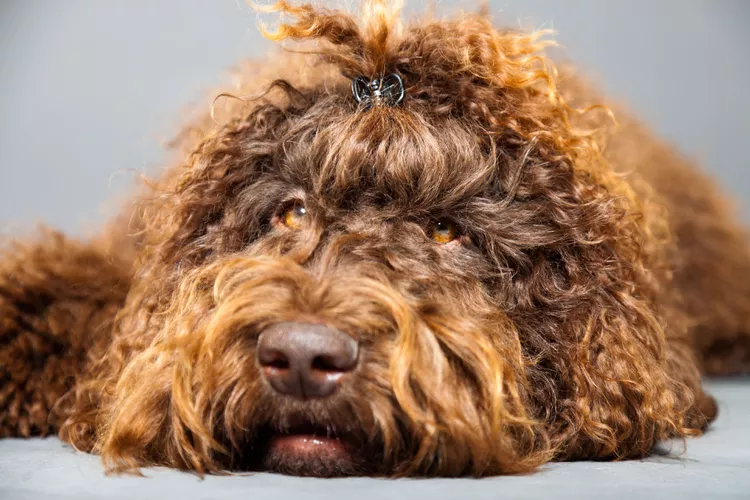
Barbet: Dog Breed Characteristics & Care
Learn about the barbet dog, a French hunting breed that's tough to find in the United States. It's known for its curly coat and calm demeanor.
Bichon Frise: Dog Breed Characteristics & Care
The bichon frise is a fluffy little white dog with a joyful personality. Learn more about its appearance, personality, history, care, and more.
Australian Kelpie: Dog Breed Characteristics & Care
The Australian kelpie is an intelligent, high-energy dog breed developed for herding. Learn about the Australian kelpie, including temperament, appearance, history, and care needs.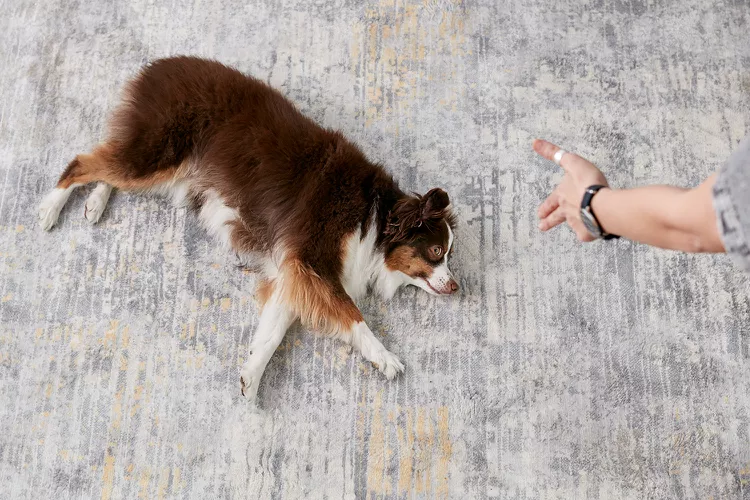
How to Teach Your Dog to Play Dead in 4 Steps
Playing dead is a fun dog trick that most dogs can pick up pretty quickly. Learn simple steps to teach your dog to play dead when you say "bang."
Different Meanings of a Dog's Wagging Tail
A dog wagging his tail is a common sight, but it may mean more than you think. Find out why dogs wag their tails and what canine tail wagging means.


