Lymph nodes are found in various places in the body. These small glands are not typically easy to find or feel unless they become enlarged. Swollen lymph nodes usually occur as a result of infection or disease, especially in the area of the swollen nodes.
Knowing the potential reasons for swollen lymph nodes and what to watch for can help you better monitor the health of your dog. While the lymph nodes themselves rarely require treatment, the underlying condition causing their swelling may be severe and should be evaluated by a veterinarian.
Lymph nodes are small glands in the lymphatic system that help regulate a dog's immune functions. These nodes help transport infection-fighting lymph fluid and white blood cells through the body via lymph vessels. When lymph fluid and white blood cells aggregate in lymph nodes to destroy toxins and infectious materials, this accumulation can cause swelling of the nodes.
Swollen lymph nodes are often an indicator of an infection or disease process occurring in a dog's body that may have its own unique signs and symptoms. The lymph nodes themselves become enlarged and firm in response to the underlying problem.
Lymph nodes can be felt in four areas of a dog's body where these glands become prominent when swollen:
Enlarged lymph nodes may be referred to as lymphadenopathy or lymphadenomegaly until the reason for the enlargement is determined. One or multiple lymph nodes can become swollen, and this typically occurs due to an underlying disease or infection. If you notice a lump where your dog's lymph nodes are, you should not wait to have it examined by a veterinarian.
Some of the common underlying causes of swollen lymph nodes include:
If your dog has enlarged lymph nodes, your vet will first perform a physical examination. This will help determine how many lymph nodes may be affected and the reason for the enlargement.
Blood tests to check organ function and white blood cell numbers are typically performed, but a fine needle aspirate (FNA) will also be recommended. This involves inserting a needle into the lymph node in order to collect cells that may indicate the reason for the enlargement. If the FNA is inconclusive, a lymph node biopsy may be performed under anesthesia. This will allow a better look at the lymph node tissue.
Further tests may be needed for various infections depending on what your veterinarian suspects based on symptoms and test results. These may include a urinalysis, fecal test, X-rays, and ultrasounds.
Various medications including steroids, anti-inflammatories, antibiotics, anti-parasitics, and even chemotherapy may be recommended depending on the reason for the lymph node enlargement. Surgery or radiation are other treatment possibilities, especially for low-grade, localized lymphomas.
The long-term prognosis for a dog with swollen lymph nodes can vary considerably depending on the cause and stage of the underlying condition. Prompt treatment can be very important for conditions that result in enlarged lymph nodes.
Some dog breeds appear to have a genetic predisposition for developing lymphoma, but no one knows for sure. These breeds include golden retrievers, boxers, bullmastiffs, basset hounds, Cocker spaniels, Irish wolfhounds, Saint Bernards, Scottish terriers, Airedale terriers, and bulldogs. If a dog has a history of lymphoma, it should not be bred to prevent the likelihood of this cancer in its offspring.
Other reasons for lymph node enlargement are difficult to prevent. Overall, just keeping your dog healthy through diet and exercise can help decrease the likelihood of illness and infections that may result in lymph node enlargement. Proper nutrition, regular veterinary attention, and practicing good hygiene are all things that may aid in your efforts.
Swollen Lymph Nodes in Dogs
Dogs' lymph node glands may become enlarged due to infection or disease. Learn the causes, treatment, and prevention.
What Is Spaying? All About the Procedure in Dogs
What is a spay? Should you have your dog spayed? Learn what it means to spay a dog, a procedure also known as an ovariohysterectomy.
Can Dogs Eat Popsicles?
You might be wondering can dogs eat popsicles? Certain types of frozen treats are safe for your dog, but you need to be aware of ingredients and allergies
Can Dogs Drink Milk?
Dogs can have milk, providing they are not lactose intolerant. It should really only be given in small quantities though
Can My Dog Eat Tomatoes?
You'll want to keep Fido out of your garden since the tomato plant is toxic, but you can safely offer him ripe tomatoes as a nutrient-packed treat.
Can Dogs Taste Spicy Flavors?
While dogs and humans experience some flavors differently, dogs do taste spicy flavors and in some cases, this can be harmful for them.
Should You Allow Your Indoor Cat to Go Outside?
Here are pros, cons, and safety considerations for allowing indoor cats to explore outdoors and the indoor vs outdoor cats debate, plus safety tips.
Can My Spayed Cat Still Be in Heat?
If your cat was spayed but appears to be in heat, the condition may be caused by several factors. Learn about them here.
How to Keep Cats Cool in Summer
Summertime means heat and with increased temperatures, you have an increased risk of heatstroke in cats. Find out how to prevent heatstroke and keep your cat cool in the summer.
Taurine for Cats
Taurine is an essential animal protein in your cat's diet. Learn more about the various ways it supports your feline's body.
Why Is My Cat Always Hungry and Meowing?
A cat can act like it is always hungry, and there may be a medical reason for this. Learn what behavior is normal and when to see your veterinarian.
Elf Cat: Breed Profile, Characteristics & Care
Elf cats are a new, rare cross between a sphynx and American curl with curly ears and a playful personality.
Maine Coon Cat: Breed Profile, Characteristics & Care
The Maine Coon cat is of the largest cat breeds in the world. These amiable, gentle cats make great companions. Learn about the Maine Coon cat breed's appearance, temperament, health, and care needs.
Calico Cat: Breed Profile, Characteristics & Care
Calico cats boast unique tri-color coats, and they are famous for being both spunky and sweet. Learn about the calico cat color pattern.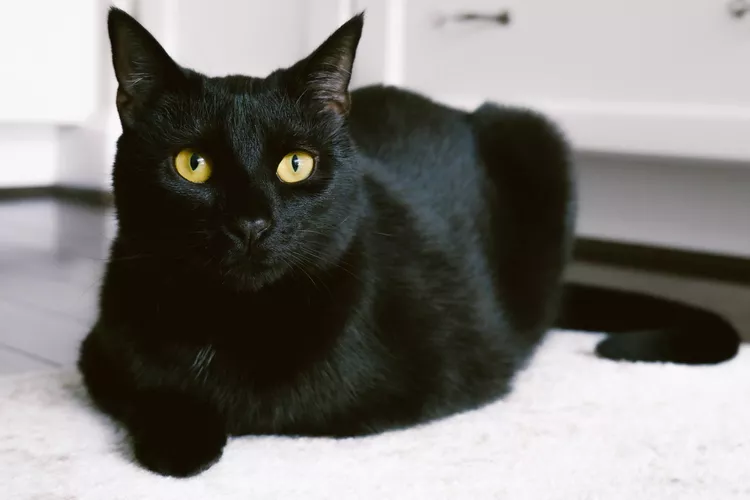
Bombay: Cat Breed Profile, Characteristics & Care
The Bombay cat, a mix of the Burmese and the American shorthair, features an all-black coat, a stocky build, and a friendly demeanor.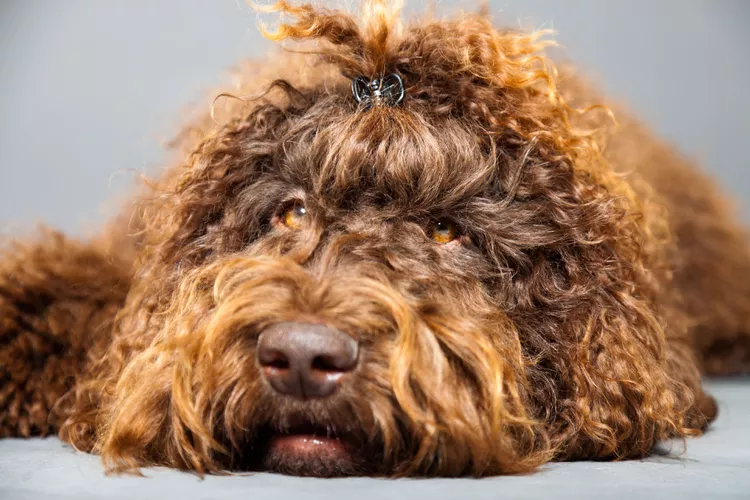
Barbet: Dog Breed Characteristics & Care
Learn about the barbet dog, a French hunting breed that's tough to find in the United States. It's known for its curly coat and calm demeanor.
Bichon Frise: Dog Breed Characteristics & Care
The bichon frise is a fluffy little white dog with a joyful personality. Learn more about its appearance, personality, history, care, and more.
Australian Kelpie: Dog Breed Characteristics & Care
The Australian kelpie is an intelligent, high-energy dog breed developed for herding. Learn about the Australian kelpie, including temperament, appearance, history, and care needs.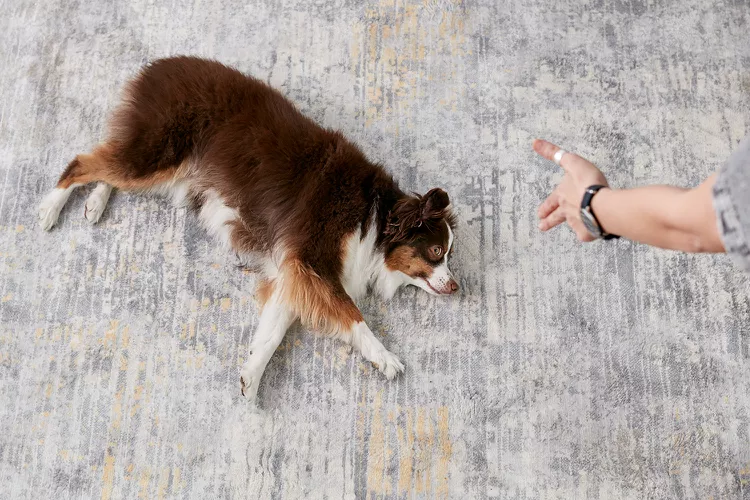
How to Teach Your Dog to Play Dead in 4 Steps
Playing dead is a fun dog trick that most dogs can pick up pretty quickly. Learn simple steps to teach your dog to play dead when you say "bang."
Different Meanings of a Dog's Wagging Tail
A dog wagging his tail is a common sight, but it may mean more than you think. Find out why dogs wag their tails and what canine tail wagging means.


