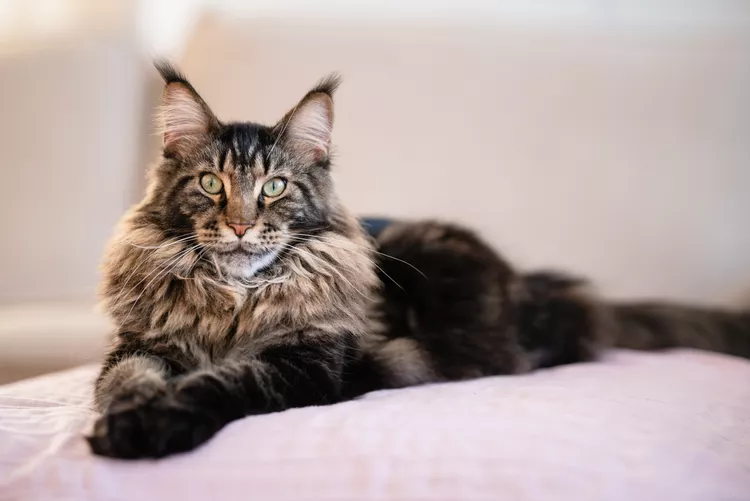
The Maine Coon cat has existed in the U.S. since the 1800s and is considered the oldest native cat breed in the U.S. Rugged and solidly built, the Maine Coon cat is known for its massive size, shaggy coat, and large tufted ears reminiscent of a bobcat. While the Maine Coon might appear intimidating to some, this breed is a gentle giant with a sweet, laid-back personality. Learn more about the beloved Maine Coon.
OTHER NAMES: Gentle Giant
PERSONALITY: Amiable, gentle and dog-like
WEIGHT: Average of 9 to 18 pounds; males can weigh 20 pounds or more
LENGTH: About 19 to 30 inches
COAT LENGTH: Heavy and shaggy; silky with coat falling smoothly
COAT COLOR: Solid (white, black, blue, red and cream), tabby (classic, mackerel and ticked), bi-color (black and white, blue and white, red and white, cream and white), parti-color (tortoiseshell and blue-cream), parti-color and white (calico, tortoiseshell and white, blue-cream and white), shaded and smoke, and shaded/smoke and white
EYE COLOR: Varies according to coat color, but may be green, gold, green-gold, copper, blue or odd-eyed
LIFE EXPECTANCY: 12 to 15 years
HYPOALLERGENIC: No
ORIGIN: United States
Said to be dog-like in disposition, the Maine Coon cat is intelligent, friendly, and gentle. Laid-back and self-assured, these cats tend to take everything in stride and are great playmates for gentle children. They can usually coexist peacefully with other household pets, including other cats and cat-friendly dogs.
Maine Coons are sociable and inquisitive, and can usually be found wherever the action is in the house, inserting themselves into every interesting situation. Talkative but not overly loud, they express themselves through a variety of soft and melodious meows, chirps, and trills. They are quite trainable cats and enjoy learning tricks, responding well to positive training methods and tasty food treats. Despite the old stereotype, Maine Coons often love water and may play in it, bathe in it, dip their food in it, and even swim.
The Maine Coon is a solid, rugged cat that is well-proportioned and balanced despite their massive size. They have muscular, long, rectangular bodies with broad chests. Their large, round paws have tufts of hair sticking up from the toes. The head is slightly longer in length than width, with high cheekbones, a distinctive square muzzle, and large, well-tufted ears. The Maine Coon cat coat is heavy and shaggy with a ruff on the chest. The breed comes in many different colors and patterns except for chocolate, lavender, and the Himalayan (pointed) pattern.
The Maine Coon is believed to have developed naturally in the Northeastern United States. Though many legends persist about the Maine Coons having been bred from bobcats or raccoons, they are 100% housecat, descending from cats brought to America by settlers. The breed evolved to be quite large and hardy, with a thick, shaggy coat. These traits were necessary for the cats to survive and thrive in the harsh winters of the region.
Although Maine Coon-type cats were likely known throughout New England, they were especially popular in the state of Maine. Beginning around the 1860s, some farmers began exhibiting their prized “coon cats” at the Skowhegan Fair, which is the nation’s oldest consecutively held agricultural fair, dating back to 1818. Here, the predecessors to today’s modern Maine Coon breed competed for the title of Maine State Champion Coon Cat.
A female brown tabby Maine Coon named Cosey won what is regarded as the first American cat show, held at Madison Square Garden in New York City on May 8, 1895. The Cat Fanciers' Association’s first stud book and breed registry from 1908 lists the Maine Coon as a foundation breed (listed as “Maine Cats”). The breed is also recognized by the International Cat Association. The Maine Coon was designated as the state cat of Maine in 1985.
The Maine Coon cat’s long, shaggy coat is silky and slightly oily, a helpful feature that makes the coat water-resistant, allowing it to repel rain and snow, keeping the cat warmer and drier in inclement weather. Though long, the coat doesn’t shed excessively as long as you thoroughly brush and comb the cat regularly, at least once weekly. You may wish to bathe your cat occasionally to help the coat look and feel clean. Your Maine Coon probably won’t mind getting scrubbed down since most enjoy playing in water. Trim your cat’s nails regularly and look inside their ears once a week, cleaning them with a cat-safe ear cleanser if they seem dirty. Any redness or excessive dirt in the ears is an indication that it’s time to schedule a veterinary visit.
Maine Coons are typically active without being hyper. They enjoy playing and are even reported to love games of fetch, just like a dog. To keep your Maine Coon physically and mentally stimulated, engage him with playful toys like feather teasers or other favorite toys. Scratching is a natural behavior that is also mentally and physically enriching. To make sure your cat scratches in the right places (not the couch), set up approved scratching areas in your house with vertical scratchers (like tall posts or cat trees) as well as horizontal scratchers that lie flat on the ground (like cardboard or sisal scratchers).
Some purebred cats are more prone to developing genetically linked health issues. Maine Coons may be affected by certain medical conditions, but responsible breeders take steps to prevent these through selective breeding.
A genetic test is available for spinal muscular atrophy so breeders can avoid breeding affected cats or carriers. Responsible Maine Coon breeders have their adult cats screened for these and other health concerns prior to breeding them.
As with other heavily built breeds, it’s important to keep Maine Coon cats from becoming overweight, something that can easily happen if the cat is free-fed (food kept in the bowl at all times) rather than fed measured meals twice a day. For all cats, staying lean is healthier. For Maine Coons, which are prone to hip dysplasia, staying lean can prevent the development or worsening of joint issues. For advice about what to feed or how much to feed daily, talk to your veterinarian or breeder.
The Maine Coon is one of the most popular pedigreed cat breed in the United States, and there are many excellent breeders from whom you can purchase a kitten. If you are rescue-minded, you might also be able to find adult Maine Coon cats or Maine Coon mixes in animal shelters and breed-specific cat rescue groups.
The Maine Coon cat is friendly, kind, and steady in temperament, which makes them wonderful companions. These cats are also quite trainable and sociable, and many have been certified as therapy cats, visiting with people in hospitals and senior care facilities. Maine Coons are affectionate and want to be close to you, but they are not overly clingy and generally aren’t lap cats. They can be entertaining to watch as they engage in silly antics, and they tend to get into everything. The Maine Coon is slow to mature, with most not reaching their full growth until about 4 years of age.
Gentle and laid-back
Affectionate and entertaining
Gets along well with kids and other pets, including dogs
Not big on cuddling/not a lap cat
Coat requires weekly brushing and combing
Doesn’t do well when left alone for long periods of time
If you like the Maine Coon cat, you might also like these cat breeds:
In general, purebred Maine Coon cats cost between $1000 and $3000, but this varies based on factors like coat color and championship lines.

Swollen Lymph Nodes in Dogs
Dogs' lymph node glands may become enlarged due to infection or disease. Learn the causes, treatment, and prevention.
What Is Spaying? All About the Procedure in Dogs
What is a spay? Should you have your dog spayed? Learn what it means to spay a dog, a procedure also known as an ovariohysterectomy.
Can Dogs Eat Popsicles?
You might be wondering can dogs eat popsicles? Certain types of frozen treats are safe for your dog, but you need to be aware of ingredients and allergies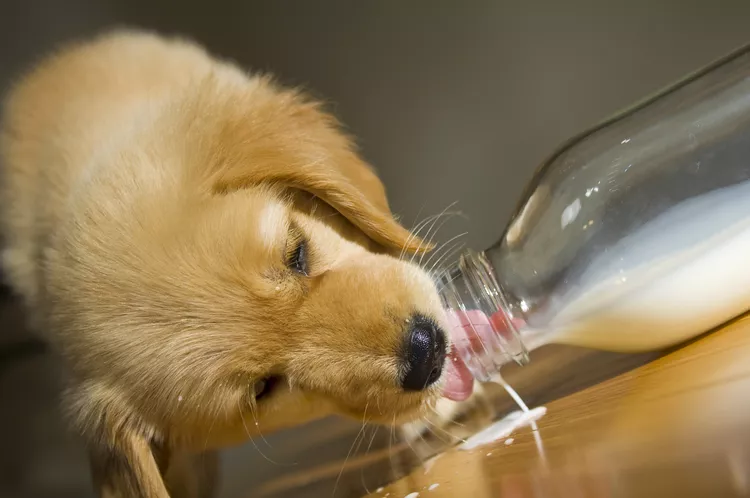
Can Dogs Drink Milk?
Dogs can have milk, providing they are not lactose intolerant. It should really only be given in small quantities though
Can My Dog Eat Tomatoes?
You'll want to keep Fido out of your garden since the tomato plant is toxic, but you can safely offer him ripe tomatoes as a nutrient-packed treat.
Can Dogs Taste Spicy Flavors?
While dogs and humans experience some flavors differently, dogs do taste spicy flavors and in some cases, this can be harmful for them.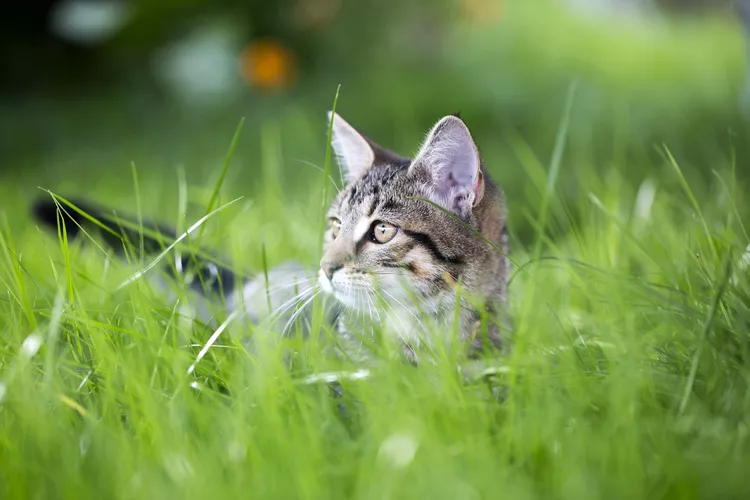
Should You Allow Your Indoor Cat to Go Outside?
Here are pros, cons, and safety considerations for allowing indoor cats to explore outdoors and the indoor vs outdoor cats debate, plus safety tips.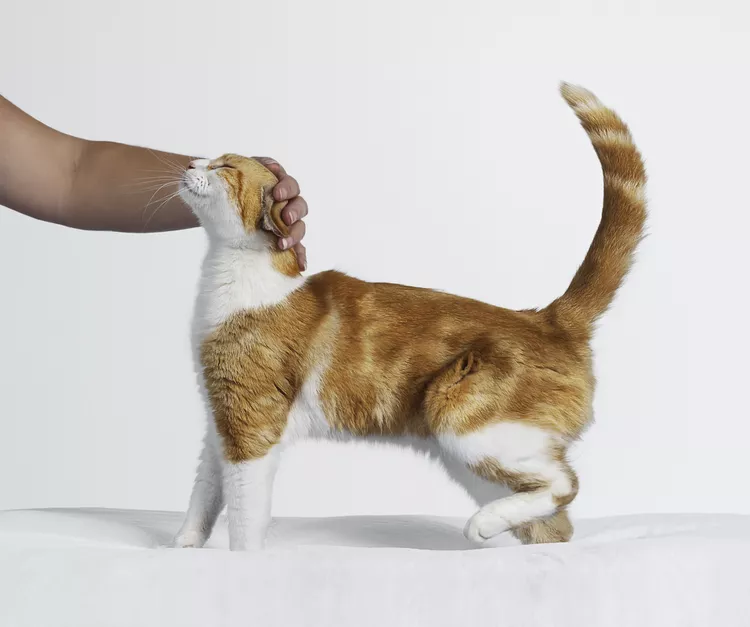
Can My Spayed Cat Still Be in Heat?
If your cat was spayed but appears to be in heat, the condition may be caused by several factors. Learn about them here.
How to Keep Cats Cool in Summer
Summertime means heat and with increased temperatures, you have an increased risk of heatstroke in cats. Find out how to prevent heatstroke and keep your cat cool in the summer.
Taurine for Cats
Taurine is an essential animal protein in your cat's diet. Learn more about the various ways it supports your feline's body.
Why Is My Cat Always Hungry and Meowing?
A cat can act like it is always hungry, and there may be a medical reason for this. Learn what behavior is normal and when to see your veterinarian.
Elf Cat: Breed Profile, Characteristics & Care
Elf cats are a new, rare cross between a sphynx and American curl with curly ears and a playful personality.
Maine Coon Cat: Breed Profile, Characteristics & Care
The Maine Coon cat is of the largest cat breeds in the world. These amiable, gentle cats make great companions. Learn about the Maine Coon cat breed's appearance, temperament, health, and care needs.
Calico Cat: Breed Profile, Characteristics & Care
Calico cats boast unique tri-color coats, and they are famous for being both spunky and sweet. Learn about the calico cat color pattern.
Bombay: Cat Breed Profile, Characteristics & Care
The Bombay cat, a mix of the Burmese and the American shorthair, features an all-black coat, a stocky build, and a friendly demeanor.
Barbet: Dog Breed Characteristics & Care
Learn about the barbet dog, a French hunting breed that's tough to find in the United States. It's known for its curly coat and calm demeanor.
Bichon Frise: Dog Breed Characteristics & Care
The bichon frise is a fluffy little white dog with a joyful personality. Learn more about its appearance, personality, history, care, and more.
Australian Kelpie: Dog Breed Characteristics & Care
The Australian kelpie is an intelligent, high-energy dog breed developed for herding. Learn about the Australian kelpie, including temperament, appearance, history, and care needs.
How to Teach Your Dog to Play Dead in 4 Steps
Playing dead is a fun dog trick that most dogs can pick up pretty quickly. Learn simple steps to teach your dog to play dead when you say "bang."
Different Meanings of a Dog's Wagging Tail
A dog wagging his tail is a common sight, but it may mean more than you think. Find out why dogs wag their tails and what canine tail wagging means.


