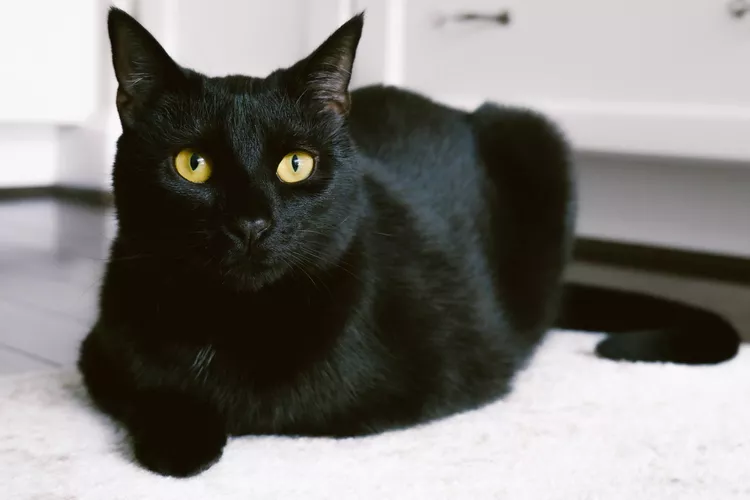
The Bombay cat is a sturdy feline with jet-black fur and brilliant golden eyes that make them look like a miniature panther. These are hybrid cats, a mix of the American shorthair and the Burmese breeds, who are friendly and sociable.
Learn more about these big-cat doppelgängers, the Bombay.
Personality: Affectionate, sociable, needy, playful
Weight: Up to 15 pounds
Length: Up to 20 inches
Coat Length: Short hair
Coat Colors: Black
Coat Patterns: Solid
Eye Color: Gold or copper
Lifespan: Up to 20 years
Hypoallergenic: No
Origin: USA
Cats are known for being independent, but it seems Bombay cats missed the memo. Bombays make lovely pets, craving human company and even venturing into Velcro cat territory. If you work long hours away from home or travel a lot, then a Bombay might not be the best choice. They simply need too much interaction and will get depressed if left alone.
Because they are outgoing and sociable, Bombays will greet strangers with curious interest and are happy to play with kids as long as they are gentle. Bombays even get along with friendly dogs and other cats, especially when raised together.
The Bombay was developed by a U.S. cat breeder named Nikki Horner, who sought to create a cat breed that looked like a miniature panther in 1953. Although it took her many years, meticulously planned breedings of Burmese and American shorthair cats eventually resulted in the midnight-black, muscular Burmese. Horner chose the name Bombay as a nod to India’s storied black leopard. (At the time, Bombay was a city in India. It's now Mumbai.)
The Bombay inherited various traits from its two founding breeds. Their body resembles the Burmese but is slightly longer and less compact. It's also curious and sociable like the Burmese. The Bombay’s laid-back personality is credited to its American shorthair ancestry.
The Bombay was accepted for championship status with the Cat Fanciers Association in 1976. The International Cat Association accepted the Bombay in 1979.
Bombays' coats are short, so you won't have much grooming to do. On the other hand, you will need to make sure your cat has plenty of options to burn off their physical and mental energy.
The Bombay’s short, fine satiny coat couldn’t be easier to groom. Simply brush this cat's fur once a week or rub it with a soft chamois cloth to bring out the coat’s patent-leather shine.
The Bombay is a very clean cat who sheds very little. Occasional baths keep the coat looking and feeling soft and glossy. Trim the nails every two weeks or so, and peek inside your Bombay’s ears every week or two to make sure they are not red or excessively dirty. Only clean your cat's ears if necessary to avoid disturbing their naturally healthy bacterial balance.
The Bombay cat is playful and curious. Bombay kittens have seemingly endless amounts of energy, but as they age, they become more mellow and are happy to cuddle up on your lap after a brief bout of exploration and play.
Bombay cats are intelligent, so they appreciate puzzle toys, which encourage them to physically manipulate devices to get treats or food. Bombays are relatively trainable cats and sometimes behave a little like dogs. Some enjoy playing fetch and are comfortable walking on a leash and harness.
Scratching is a natural behavior that’s good for all cats’ physical and mental health, but you want to show your cat the right places to scratch (not the couch). Offer your Bombay a variety of acceptable surfaces for scratching, including vertical surfaces (scratching posts or cat trees) and horizontal surfaces (cardboard or sisal scratchers that lie on the floor).
Though the Bombay is generally a healthy and long-living cat, a few genetically linked diseases are present in the breed, including:
When searching for a cat breeder, ask if they offer a health guarantee for their kittens.
The Bombay has a stocky, muscular build and rounded head, resembling a mini leopard or jaguar. Their ears are medium-sized, and their large eyes range in color from rich gold to copper. The coat is fine and short, with a satin-like texture and shimmering, patent-leather sheen.
Obesity is a concern for all cats. Because the Bombay has a stocky build, they are vulnerable to weight gain. Staying lean helps prevent weight-related health issues like diabetes and arthritis, as well as heart disease, which affects the Bombay at higher rates than other breeds.
Free feeding (leaving food out all day) can lead to too much snacking and weight gain. Instead, serve measured amounts of food twice a day for adult cats (kittens should eat three to four smaller meals per day). Ask your breeder or veterinarian for a recommendation for high-quality food for your Bombay.
There are a handful of Bombay breeders in North America, so it might take a little searching to find a kitten. It is not unusual for Bombay breeders to also breed Burmese cats. The Cat Fanciers' Association and The International Cat Association both maintain lists of active breeders.
You can also visit a cat show in your area to connect with reputable breeders and meet many different cat breeds in person.
Although it’s not unheard of for a Bombay to end up in an animal shelter, purebred Bombays in need of re-homing are often placed into new homes by breeders. Luckily, there are many beautiful black cats similar to Bombays in shelters across the U.S. who need loving homes.
Affectionate and spirited
Easy-care coat with minimal shedding
Friendly with people and other pets
Hard to find
Needs a lot of attention
Prone to heart and respiratory problems
If you’re interested in similar breeds, check out:
Otherwise, check out all of our other cat breed profiles.
Most purebred Bombay kittens cost between $500 and $700, but top-quality breeding cats may cost as much as $2,000. They're expensive because Bombays are a rare breed.
A Bombay is completely black on their outside—save the eyes. They have black fur, black noses, and even black paw pads. Their eyes are gold or copper.
No longer than a regular workday. Otherwise, your Bombay could develop separation anxiety.

Swollen Lymph Nodes in Dogs
Dogs' lymph node glands may become enlarged due to infection or disease. Learn the causes, treatment, and prevention.
What Is Spaying? All About the Procedure in Dogs
What is a spay? Should you have your dog spayed? Learn what it means to spay a dog, a procedure also known as an ovariohysterectomy.
Can Dogs Eat Popsicles?
You might be wondering can dogs eat popsicles? Certain types of frozen treats are safe for your dog, but you need to be aware of ingredients and allergies
Can Dogs Drink Milk?
Dogs can have milk, providing they are not lactose intolerant. It should really only be given in small quantities though
Can My Dog Eat Tomatoes?
You'll want to keep Fido out of your garden since the tomato plant is toxic, but you can safely offer him ripe tomatoes as a nutrient-packed treat.
Can Dogs Taste Spicy Flavors?
While dogs and humans experience some flavors differently, dogs do taste spicy flavors and in some cases, this can be harmful for them.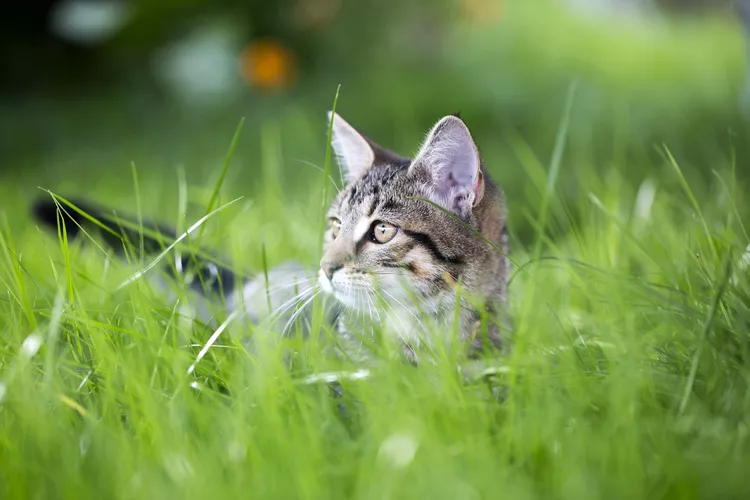
Should You Allow Your Indoor Cat to Go Outside?
Here are pros, cons, and safety considerations for allowing indoor cats to explore outdoors and the indoor vs outdoor cats debate, plus safety tips.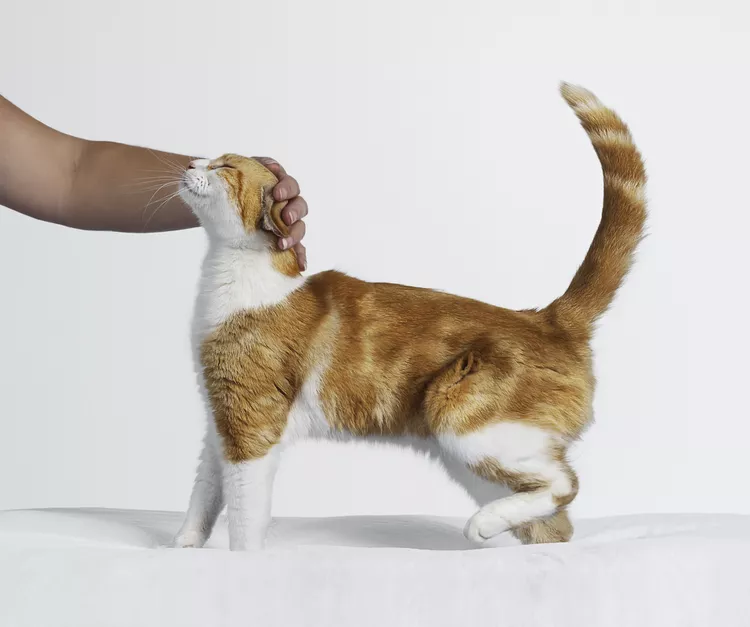
Can My Spayed Cat Still Be in Heat?
If your cat was spayed but appears to be in heat, the condition may be caused by several factors. Learn about them here.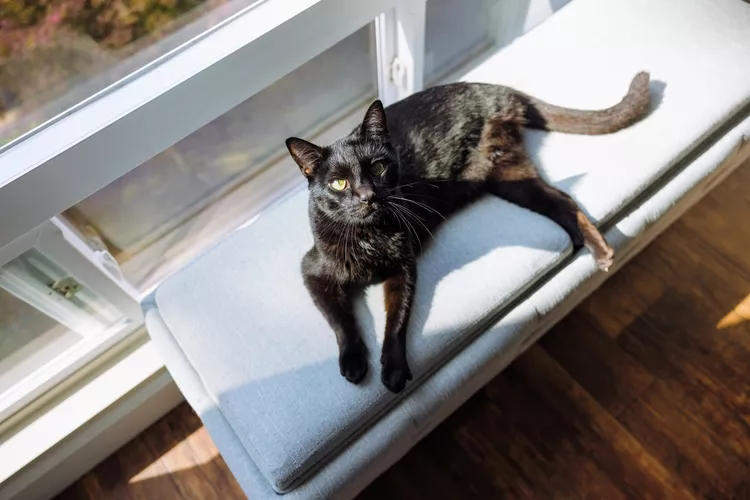
How to Keep Cats Cool in Summer
Summertime means heat and with increased temperatures, you have an increased risk of heatstroke in cats. Find out how to prevent heatstroke and keep your cat cool in the summer.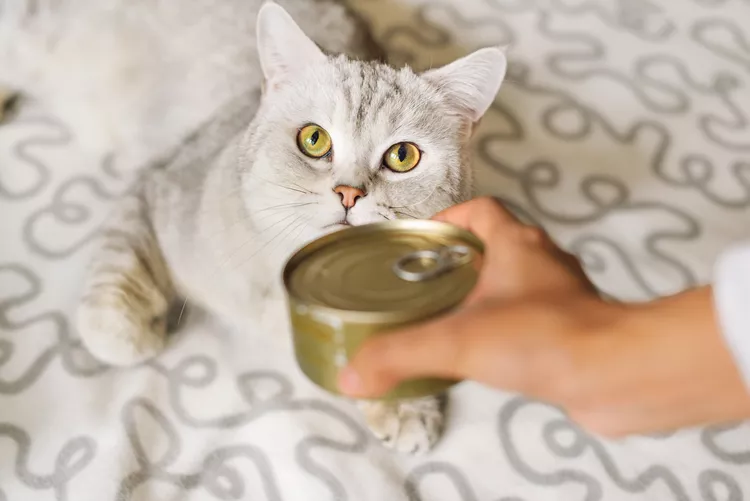
Taurine for Cats
Taurine is an essential animal protein in your cat's diet. Learn more about the various ways it supports your feline's body.
Why Is My Cat Always Hungry and Meowing?
A cat can act like it is always hungry, and there may be a medical reason for this. Learn what behavior is normal and when to see your veterinarian.
Elf Cat: Breed Profile, Characteristics & Care
Elf cats are a new, rare cross between a sphynx and American curl with curly ears and a playful personality.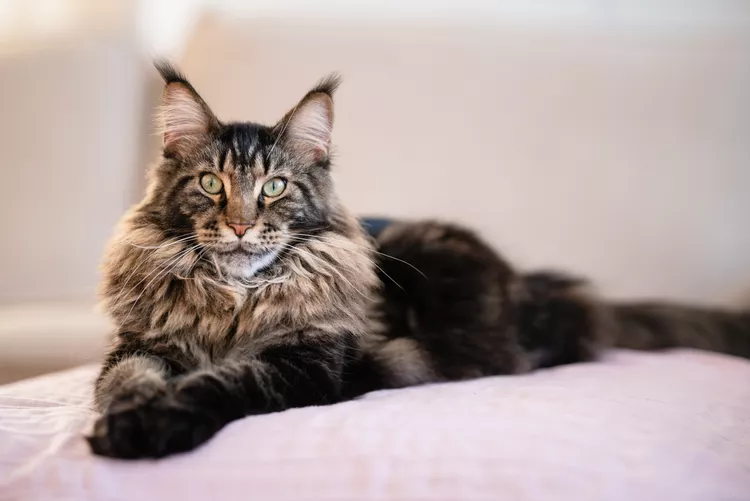
Maine Coon Cat: Breed Profile, Characteristics & Care
The Maine Coon cat is of the largest cat breeds in the world. These amiable, gentle cats make great companions. Learn about the Maine Coon cat breed's appearance, temperament, health, and care needs.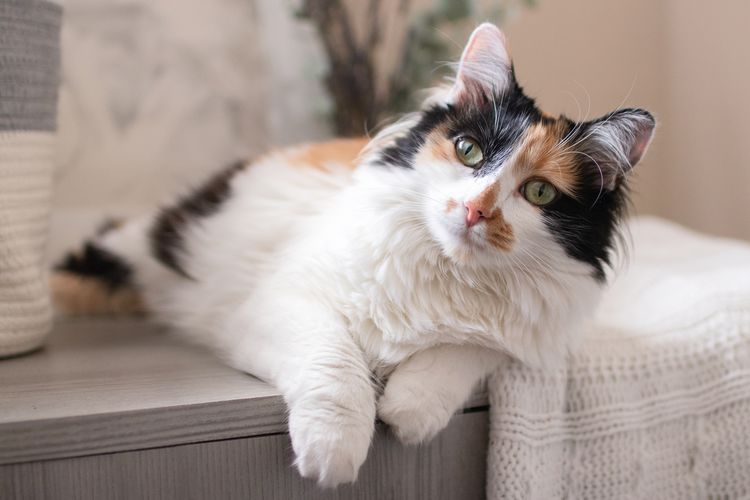
Calico Cat: Breed Profile, Characteristics & Care
Calico cats boast unique tri-color coats, and they are famous for being both spunky and sweet. Learn about the calico cat color pattern.
Bombay: Cat Breed Profile, Characteristics & Care
The Bombay cat, a mix of the Burmese and the American shorthair, features an all-black coat, a stocky build, and a friendly demeanor.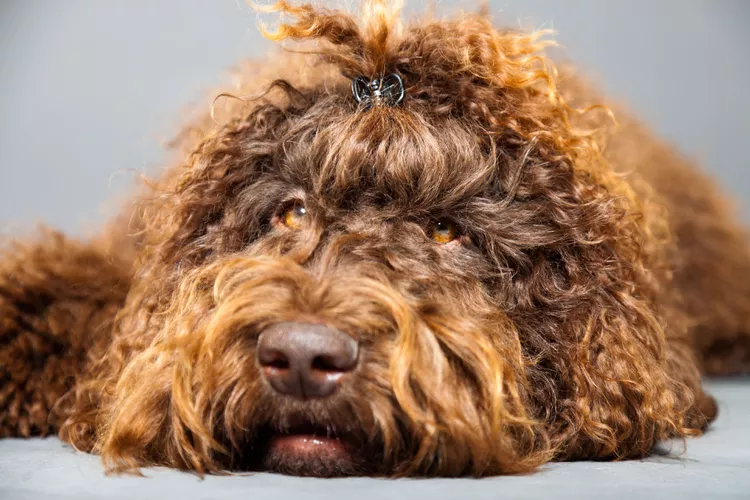
Barbet: Dog Breed Characteristics & Care
Learn about the barbet dog, a French hunting breed that's tough to find in the United States. It's known for its curly coat and calm demeanor.
Bichon Frise: Dog Breed Characteristics & Care
The bichon frise is a fluffy little white dog with a joyful personality. Learn more about its appearance, personality, history, care, and more.
Australian Kelpie: Dog Breed Characteristics & Care
The Australian kelpie is an intelligent, high-energy dog breed developed for herding. Learn about the Australian kelpie, including temperament, appearance, history, and care needs.
How to Teach Your Dog to Play Dead in 4 Steps
Playing dead is a fun dog trick that most dogs can pick up pretty quickly. Learn simple steps to teach your dog to play dead when you say "bang."
Different Meanings of a Dog's Wagging Tail
A dog wagging his tail is a common sight, but it may mean more than you think. Find out why dogs wag their tails and what canine tail wagging means.


:strip_icc():format(webp)/black-cat-on-tree-stump-588278854-5804d25b3df78cbc2867566c.jpg)