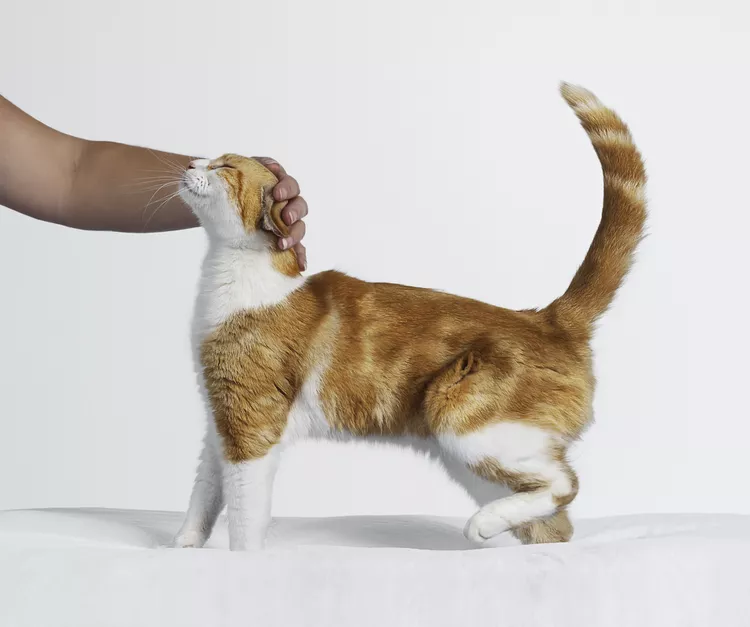
Female cats will undergo their first estrous, or heat cycle, when they become sexually mature. This can occur as early as 4 months, but the typical age is somewhere between 6 and 9 months of age. Estrus is the period when a female is receptive to mating with a male, shows signs of being in heat, and can become pregnant. If the female does not become pregnant, she will continue through the estrous cycle and will go into heat every few weeks until she either becomes pregnant or is spayed.
Cats in heat will exhibit signs that can be quite annoying for owners. If they are spayed, those signs should not be present. However, there are a few conditions where spayed cats will continue to show signs of being in heat. Here, we will discuss the signs of heat in cats, the causes of heat signs in a spayed cat, and why treatment is important if your cat is in heat after a spay.
Unlike dogs, the female cat in heat does not have a vaginal discharge. Her signs are typically behavioral in nature. The more common signs an owner may notice is that she becomes unusually affectionate and quite vocal. She may urinate or spray in the house in an attempt to let local tomcats know she is receptive to mating. She also tends to stick her rear in the air and wiggle her back end when she is petted. If a spayed cat is exhibiting signs of being in heat, this could be an indication there is still a sex hormone in her system. If you notice any signs of heat in your spayed cat, please speak with your veterinarian.
If a spayed cat shows signs of heat, there may be ovarian tissue still in the body and producing estrogen. This can happen for a few different reasons. In rare cases, a small piece of ovarian tissue could be left behind during surgery, allowing continued secretion of estrogen and signs of heat. In other cases, a female cat could possess accessory ovarian tissue separate from the main ovaries that could continue to secrete estrogen after a spay is performed. In even rarer cases, if a small amount of ovarian tissue accidentally fell back into the abdomen during the spay surgery, it could continue to secrete estrogen. Owners may not notice a change in their cat's behavior right away and signs of heat may not develop until months after surgery.
A cat showing signs of heat after a spay should go to the vet as soon as possible for testing. This often includes bloodwork to determine if hormone levels are high and consistent with active ovarian tissue. Occasionally, imaging such as an ultrasound will be performed to look for the remaining reproductive tissue, but it is usually quite small. Once it has been determined that a pet has an ovarian remnant, surgery should be performed to locate and remove it. This will stop unwanted heat behaviors as well as prevent increased risk of disease related to ongoing exposure to estrogen, including mammary cancer and stump pyometra.
After a cat is spayed, a small stump of uterine tissue remains inside the abdomen where the tract is tied off. As long as there are no female hormones available, the stump will be a small, inactive tissue. However, if hormones are circulating due to an ovarian remnant or other source of estrogen, this tissue will be active. Over time, an infection of the uterine tissue can develop, which is known as a pyometra. When a pyometra develops in the stump, vaginal discharge may be observed, and the cat may have other signs of illness including fever, lethargy, or decreased appetite. If a stump pyometra is suspected, exploratory surgery may be necessary to remove it and locate the ovarian remnant that supplied the hormones. Your veterinarian will help determine the right treatment plan for your cat.
Adrenal tumors can also produce hormones. The adrenal glands are two small glands located next to the kidneys that normally produce important hormones for many body functions. However, tumors of the adrenal glands can produce excess hormones that can cause several different symptoms. In very rare cases, these tumors could produce excessive sex hormones and lead to behavior changes consistent with being in heat. In this situation, signs of heat are constant, and they don't cycle as with ovarian tissue. Tests may be performed to determine if this is the cause of your cat's symptoms, including blood work and an abdominal ultrasound to look for a tumor. Exploratory surgery is necessary to visualize the tumor and remove it from the affected adrenal gland. This can be a very complicated surgery.
Topical estrogen-containing creams for humans may be accidentally ingested by cats or other pets. When these creams are applied to the user's hands or arms, they are easily accessible to an affectionate cat who may lick them off. A female cat exposed to these creams can potentially manifest signs of heat but will not show a predictable hormone cycle. She might also show other signs of estrogen exposure, including mammary development, swollen vulva, pale gums, or hair loss. The best way to avoid this is for owners to use gloves during application, wash their hands, and keep cats and other pets away from any part of the body where this cream is applied.
In some cases, a cat showing signs of heat may turn out to be intact, meaning she was never spayed in the first place. This is most common in cases of an adult cat being adopted or a stray cat who is found as an adult without a clear history of spay or previous heat cycles. Sometimes owners believe the cat was spayed based on a lack of heat cycles at the time of rescue, or perhaps they are told by a previous caretaker that the cat is believed to be spayed. In any case, your veterinarian can check for a spay scar by shaving your cat's belly, and if there is any doubt, blood work can be done to check your cat's hormone levels. Nowadays, many animal shelters and rescue groups also apply a small green or blue tattoo mark on the abdomen after a spay to ensure a cat's spay status can be easily confirmed.
Hormones have important roles in the body; however, they can also have harmful effects. Long-term exposure to female sex hormones can dramatically increase the risk of mammary cancer. This is why it is recommended to spay cats before their first heat cycle. Speak with your veterinarian right away if you notice your spayed cat is experiencing signs of heat. They will work with you to determine what is causing the behavior change and identify the best way to treat them.

Swollen Lymph Nodes in Dogs
Dogs' lymph node glands may become enlarged due to infection or disease. Learn the causes, treatment, and prevention.
What Is Spaying? All About the Procedure in Dogs
What is a spay? Should you have your dog spayed? Learn what it means to spay a dog, a procedure also known as an ovariohysterectomy.
Can Dogs Eat Popsicles?
You might be wondering can dogs eat popsicles? Certain types of frozen treats are safe for your dog, but you need to be aware of ingredients and allergies
Can Dogs Drink Milk?
Dogs can have milk, providing they are not lactose intolerant. It should really only be given in small quantities though
Can My Dog Eat Tomatoes?
You'll want to keep Fido out of your garden since the tomato plant is toxic, but you can safely offer him ripe tomatoes as a nutrient-packed treat.
Can Dogs Taste Spicy Flavors?
While dogs and humans experience some flavors differently, dogs do taste spicy flavors and in some cases, this can be harmful for them.
Should You Allow Your Indoor Cat to Go Outside?
Here are pros, cons, and safety considerations for allowing indoor cats to explore outdoors and the indoor vs outdoor cats debate, plus safety tips.
Can My Spayed Cat Still Be in Heat?
If your cat was spayed but appears to be in heat, the condition may be caused by several factors. Learn about them here.
How to Keep Cats Cool in Summer
Summertime means heat and with increased temperatures, you have an increased risk of heatstroke in cats. Find out how to prevent heatstroke and keep your cat cool in the summer.
Taurine for Cats
Taurine is an essential animal protein in your cat's diet. Learn more about the various ways it supports your feline's body.
Why Is My Cat Always Hungry and Meowing?
A cat can act like it is always hungry, and there may be a medical reason for this. Learn what behavior is normal and when to see your veterinarian.
Elf Cat: Breed Profile, Characteristics & Care
Elf cats are a new, rare cross between a sphynx and American curl with curly ears and a playful personality.
Maine Coon Cat: Breed Profile, Characteristics & Care
The Maine Coon cat is of the largest cat breeds in the world. These amiable, gentle cats make great companions. Learn about the Maine Coon cat breed's appearance, temperament, health, and care needs.
Calico Cat: Breed Profile, Characteristics & Care
Calico cats boast unique tri-color coats, and they are famous for being both spunky and sweet. Learn about the calico cat color pattern.
Bombay: Cat Breed Profile, Characteristics & Care
The Bombay cat, a mix of the Burmese and the American shorthair, features an all-black coat, a stocky build, and a friendly demeanor.
Barbet: Dog Breed Characteristics & Care
Learn about the barbet dog, a French hunting breed that's tough to find in the United States. It's known for its curly coat and calm demeanor.
Bichon Frise: Dog Breed Characteristics & Care
The bichon frise is a fluffy little white dog with a joyful personality. Learn more about its appearance, personality, history, care, and more.
Australian Kelpie: Dog Breed Characteristics & Care
The Australian kelpie is an intelligent, high-energy dog breed developed for herding. Learn about the Australian kelpie, including temperament, appearance, history, and care needs.
How to Teach Your Dog to Play Dead in 4 Steps
Playing dead is a fun dog trick that most dogs can pick up pretty quickly. Learn simple steps to teach your dog to play dead when you say "bang."
Different Meanings of a Dog's Wagging Tail
A dog wagging his tail is a common sight, but it may mean more than you think. Find out why dogs wag their tails and what canine tail wagging means.


