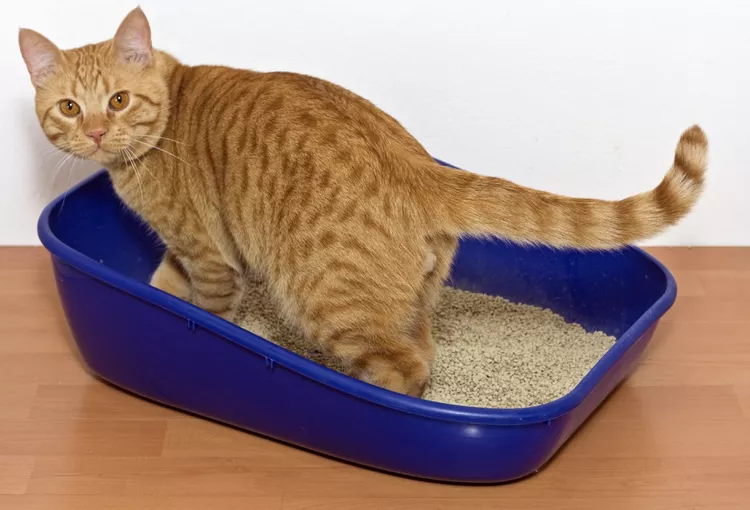
A urinary tract infection, or UTI, occurs in cats when disease-causing bacteria infiltrate and overcome the body’s immune defenses and then multiply within the urinary tract. This causes discomfort and inflammation in the cat’s urinary tract and can result in the cat urinating outside of the litter box in other areas of the house.
UTIs can occur anywhere along the urinary tract, from the urethra, which is the tube that passes urine out of the body, to the bladder, and even up to the kidneys. When the infection is located in the bladder, it is called bacterial cystitis. Fungi, parasites, and viruses can also cause cystitis in cats. Cats who have recently been given antibiotics tend to be more at risk of fungal cystitis, but it is still rare even in those cases. Find out more about the underlying causes of UTIs, how a diagnosis is made, and how this condition may be treated.
UTIs caused by bacteria represent only a small number of the cases where cats are diagnosed with a urinary tract disease. In young cats, UTIs are relatively uncommon. Bacterial infections are seen more often in cats over ten years old, and UTIs have been found to occur in many more cats with urinary tract disease in this age range. Female spayed cats, Persians, and Abyssinians are also at higher risk of developing UTIs.
UTIs are caused by bacteria that enter and adhere to the urinary tract, where the bacteria grow and cause disease and inflammation. In a healthy bladder, high urine flow helps to flush out bacteria and serves as one of the body’s natural defenses against infection. In cases where urine flow is slower or lower than normal (for instance, if the cat doesn’t drink much water), this can create an environment where bacteria can remain within the urinary tract and have the opportunity to multiply and adhere.
Other factors within the urinary tract that create an environment where bacterial infection can occur include changes in pH levels (a measurement of how acidic the urine is) and abnormal levels of organic acids and urea.
E. coli is the most common bacteria found in UTIs, although many other types of bacteria can cause infection as well. Often, these same bacteria reside on the skin or in the gastrointestinal tracts of cats and spread to the urinary tract when given the opportunity and an environment that promotes their growth.
Certain underlying conditions predispose cats to develop UTIs. These include chronic conditions like diabetes mellitus, kidney disease, bladder tumors, and obesity. Cats that have been given drugs to suppress their immune systems or who were born with abnormal anatomy in the urinary tract are also more likely to get UTIs. Cats who have had urinary catheters placed recently for a surgery or other medical procedure are also at higher risk of infection.
UTI symptoms resemble other urinary tract diseases, and any time a cat shows changes in normal behavior, like suddenly urinating outside of the litter box or spending an unusually long time in the litter box, it is important to have the cat assessed by a veterinarian as soon as possible.
If your cat is showing symptoms of a UTI, take the cat to a veterinarian; they can diagnose the condition and determine the proper treatment. Do not wait if you are seeing symptoms. Some conditions that resemble UTIs, such as a blockage of the urethra that prevents cats from being able to pass urine, can be life-threatening.
Because the symptoms of UTIs can look like other conditions that are not bacterial, it is necessary for your veterinarian to perform additional tests to make sure that antibiotics are warranted. UTIs are diagnosed based on physical examination, a history of the symptoms, and blood and urine tests. In most cases, a sample of urine from your cat will be sent to a laboratory to determine if a bacterial infection is present, and antibiotics will be selected based on the type of bacteria identified.
If a UTI is diagnosed, your veterinarian will prescribe antibiotics to treat your cat. Additional medications or supplements may also be given to increase your cat’s comfort level and overall bladder health. The veterinarian may also recommend a different diet for your cat.
If the cat has an underlying condition that is predisposing it to developing UTIs, your veterinarian will also discuss the prognosis and treatment plan for any chronic or concurrent diseases with you.
UTIs can occur in cats of any age or breed, but there are some actions you can take to minimize the risk of a UTI in your cat.

Swollen Lymph Nodes in Dogs
Dogs' lymph node glands may become enlarged due to infection or disease. Learn the causes, treatment, and prevention.
What Is Spaying? All About the Procedure in Dogs
What is a spay? Should you have your dog spayed? Learn what it means to spay a dog, a procedure also known as an ovariohysterectomy.
Can Dogs Eat Popsicles?
You might be wondering can dogs eat popsicles? Certain types of frozen treats are safe for your dog, but you need to be aware of ingredients and allergies
Can Dogs Drink Milk?
Dogs can have milk, providing they are not lactose intolerant. It should really only be given in small quantities though
Can My Dog Eat Tomatoes?
You'll want to keep Fido out of your garden since the tomato plant is toxic, but you can safely offer him ripe tomatoes as a nutrient-packed treat.
Can Dogs Taste Spicy Flavors?
While dogs and humans experience some flavors differently, dogs do taste spicy flavors and in some cases, this can be harmful for them.
Should You Allow Your Indoor Cat to Go Outside?
Here are pros, cons, and safety considerations for allowing indoor cats to explore outdoors and the indoor vs outdoor cats debate, plus safety tips.
Can My Spayed Cat Still Be in Heat?
If your cat was spayed but appears to be in heat, the condition may be caused by several factors. Learn about them here.
How to Keep Cats Cool in Summer
Summertime means heat and with increased temperatures, you have an increased risk of heatstroke in cats. Find out how to prevent heatstroke and keep your cat cool in the summer.
Taurine for Cats
Taurine is an essential animal protein in your cat's diet. Learn more about the various ways it supports your feline's body.
Why Is My Cat Always Hungry and Meowing?
A cat can act like it is always hungry, and there may be a medical reason for this. Learn what behavior is normal and when to see your veterinarian.
Elf Cat: Breed Profile, Characteristics & Care
Elf cats are a new, rare cross between a sphynx and American curl with curly ears and a playful personality.
Maine Coon Cat: Breed Profile, Characteristics & Care
The Maine Coon cat is of the largest cat breeds in the world. These amiable, gentle cats make great companions. Learn about the Maine Coon cat breed's appearance, temperament, health, and care needs.
Calico Cat: Breed Profile, Characteristics & Care
Calico cats boast unique tri-color coats, and they are famous for being both spunky and sweet. Learn about the calico cat color pattern.
Bombay: Cat Breed Profile, Characteristics & Care
The Bombay cat, a mix of the Burmese and the American shorthair, features an all-black coat, a stocky build, and a friendly demeanor.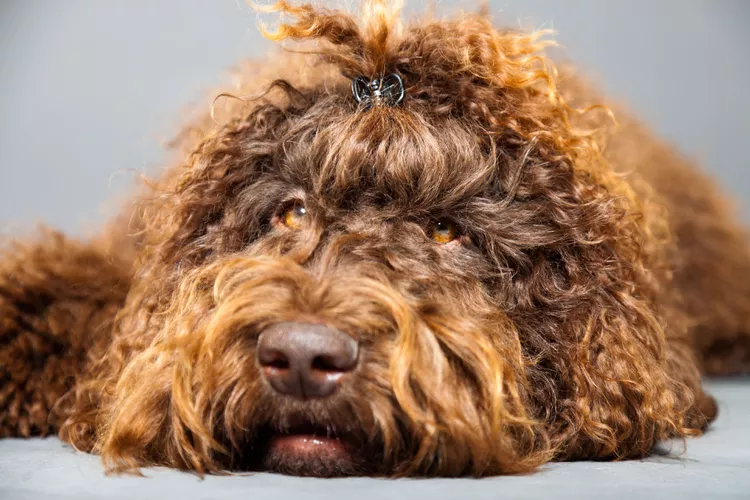
Barbet: Dog Breed Characteristics & Care
Learn about the barbet dog, a French hunting breed that's tough to find in the United States. It's known for its curly coat and calm demeanor.
Bichon Frise: Dog Breed Characteristics & Care
The bichon frise is a fluffy little white dog with a joyful personality. Learn more about its appearance, personality, history, care, and more.
Australian Kelpie: Dog Breed Characteristics & Care
The Australian kelpie is an intelligent, high-energy dog breed developed for herding. Learn about the Australian kelpie, including temperament, appearance, history, and care needs.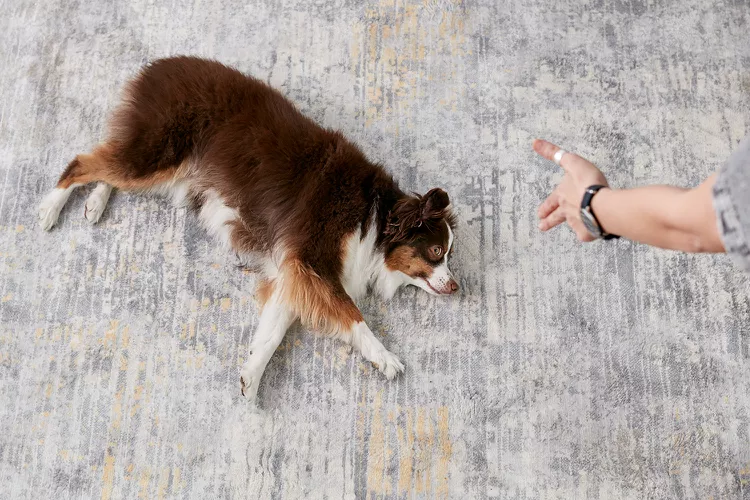
How to Teach Your Dog to Play Dead in 4 Steps
Playing dead is a fun dog trick that most dogs can pick up pretty quickly. Learn simple steps to teach your dog to play dead when you say "bang."
Different Meanings of a Dog's Wagging Tail
A dog wagging his tail is a common sight, but it may mean more than you think. Find out why dogs wag their tails and what canine tail wagging means.


