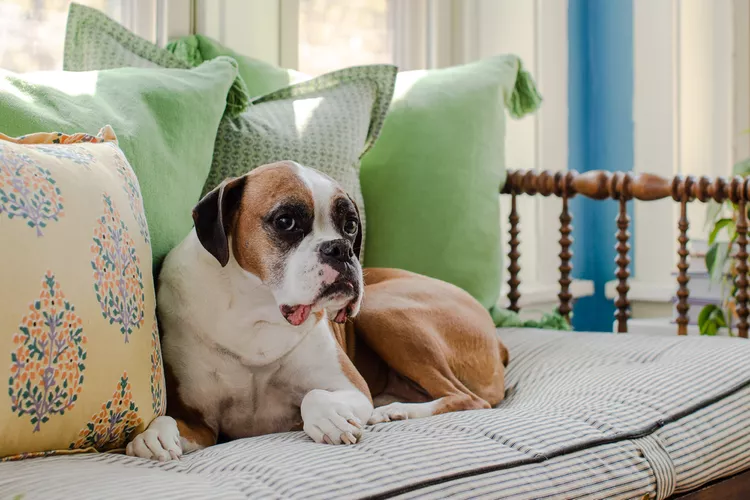
Whether you let your dog on the furniture or not is a hotly debated topic. Some people are very passionate about their stance on their dog's couch surfing. So, what's the big deal and how do you keep your dog off the couch should you desire to?
When it comes right down to it, whether you want your dog to remain off the furniture or not is mostly a personal preference. Many dogs, and their owners, love a snuggle on the sofa.
Of course, if you have a smaller breed, if your dog has a back injury or arthritis, or if your furniture is especially high, your dog could hurt themselves if they accidentally fall off or even in their attempts to jump up.
For the most part, though, folks that prefer Fido to stay off do so because it prevents the couch from getting dirty with fur, mud, and other debris. Or maybe you have multiple dogs and having them all on the couch won't leave room for you!
Other owners may choose to keep their dog off the furniture if they have resource guarding issues. This is a complex behavior in which the dog will be protective of a toy, bed, food, or even a comfy sleeping spot on a couch or chair. If your dog resource guards, keeping them off the furniture can help manage this behavior while working on training.
If you have decided that you don't want your dog on your furniture, how do you go about ensuring that your dog understands this too?
The most important thing is consistency! By allowing your dog on the couch sometimes and then not allowing them on other times you will be confusing your pup and setting them up for failure.
This consistency needs to be applied by all family members and visitors to your home. No one should be inviting your dog up onto the couch.
Most dogs want to be on the couch with you because they want to be comfortable and because they want to be with you. Offer them a cozy bed close by as an alternative to the couch and other furniture. Similar to crate training, make this bed a fun, safe, and rewarding place for them. Give your dog interactive toys like a treat-filled kong or other puzzle feeders while they are in their bed to positively encourage them to settle there.
Teaching your dog what 'off' and 'go to your bed' mean can help you while you are training your dog to stay off the furniture. Pair your dog getting off the furniture with the cue 'off' and a positive reward, such as a treat and praise.
Similarly, pair your dog going to their bed with the cue 'go to your bed' and a positive reward. If your dog knows these cues they will happily get off the couch if you catch them because they know something good will happen when they do.
Management is a key part of any training program. Making your furniture inaccessible to your dog can help you prevent them from couch surfing when you are not able to supervise.
You can block your dog's access to furniture with baby gates, by flipping the cushions up vertically, or by placing something on the furniture like an upside-down laundry bucket.
If your dog likes to get up on the furniture to look out the windows, make the windows more appropriately accessible. Smaller breed dogs that like to look out the windows may appreciate a set of pet steps or a 'cat sill' that they can rest on.
However, if your dog is reactive when they look out the window and wanting to get on to the couch to guard your home, you will want to block access while you work on training.
Sometimes things like scat mats, which provide a vibration, uncomfortable upside-down car mats, or even a distracting loud noise are recommended to get your dog off the furniture. However, if you use the training and management techniques described above, aversives tools like this shouldn't be needed.
For some dogs, these methods may also cause fallout, such as generalized fear of furniture, things that resemble the mats (like a dog bed or blanket), and any loud noise.
There is nothing wrong with allowing your dog onto the couch, but, if you would prefer for them to stay off, being consistent and rewarding the alternative behavior you do want is the key to success. For more tips and techniques, seek out a certified, positive reinforcement-based dog trainer.

Swollen Lymph Nodes in Dogs
Dogs' lymph node glands may become enlarged due to infection or disease. Learn the causes, treatment, and prevention.
What Is Spaying? All About the Procedure in Dogs
What is a spay? Should you have your dog spayed? Learn what it means to spay a dog, a procedure also known as an ovariohysterectomy.
Can Dogs Eat Popsicles?
You might be wondering can dogs eat popsicles? Certain types of frozen treats are safe for your dog, but you need to be aware of ingredients and allergies
Can Dogs Drink Milk?
Dogs can have milk, providing they are not lactose intolerant. It should really only be given in small quantities though
Can My Dog Eat Tomatoes?
You'll want to keep Fido out of your garden since the tomato plant is toxic, but you can safely offer him ripe tomatoes as a nutrient-packed treat.
Can Dogs Taste Spicy Flavors?
While dogs and humans experience some flavors differently, dogs do taste spicy flavors and in some cases, this can be harmful for them.
Should You Allow Your Indoor Cat to Go Outside?
Here are pros, cons, and safety considerations for allowing indoor cats to explore outdoors and the indoor vs outdoor cats debate, plus safety tips.
Can My Spayed Cat Still Be in Heat?
If your cat was spayed but appears to be in heat, the condition may be caused by several factors. Learn about them here.
How to Keep Cats Cool in Summer
Summertime means heat and with increased temperatures, you have an increased risk of heatstroke in cats. Find out how to prevent heatstroke and keep your cat cool in the summer.
Taurine for Cats
Taurine is an essential animal protein in your cat's diet. Learn more about the various ways it supports your feline's body.
Why Is My Cat Always Hungry and Meowing?
A cat can act like it is always hungry, and there may be a medical reason for this. Learn what behavior is normal and when to see your veterinarian.
Elf Cat: Breed Profile, Characteristics & Care
Elf cats are a new, rare cross between a sphynx and American curl with curly ears and a playful personality.
Maine Coon Cat: Breed Profile, Characteristics & Care
The Maine Coon cat is of the largest cat breeds in the world. These amiable, gentle cats make great companions. Learn about the Maine Coon cat breed's appearance, temperament, health, and care needs.
Calico Cat: Breed Profile, Characteristics & Care
Calico cats boast unique tri-color coats, and they are famous for being both spunky and sweet. Learn about the calico cat color pattern.
Bombay: Cat Breed Profile, Characteristics & Care
The Bombay cat, a mix of the Burmese and the American shorthair, features an all-black coat, a stocky build, and a friendly demeanor.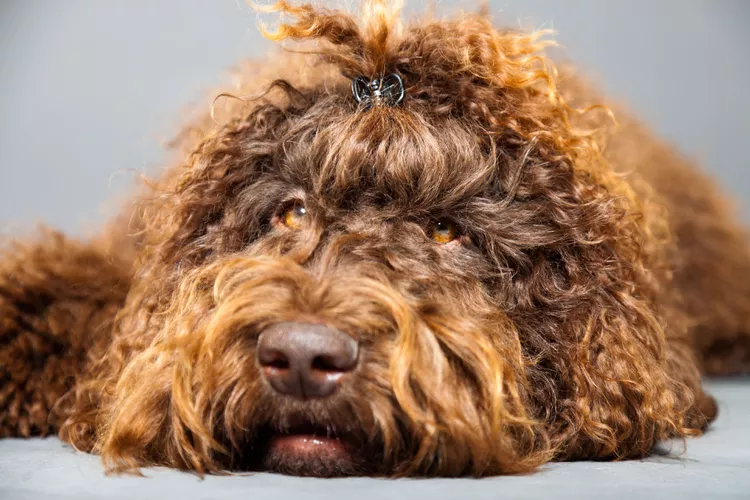
Barbet: Dog Breed Characteristics & Care
Learn about the barbet dog, a French hunting breed that's tough to find in the United States. It's known for its curly coat and calm demeanor.
Bichon Frise: Dog Breed Characteristics & Care
The bichon frise is a fluffy little white dog with a joyful personality. Learn more about its appearance, personality, history, care, and more.
Australian Kelpie: Dog Breed Characteristics & Care
The Australian kelpie is an intelligent, high-energy dog breed developed for herding. Learn about the Australian kelpie, including temperament, appearance, history, and care needs.
How to Teach Your Dog to Play Dead in 4 Steps
Playing dead is a fun dog trick that most dogs can pick up pretty quickly. Learn simple steps to teach your dog to play dead when you say "bang."
Different Meanings of a Dog's Wagging Tail
A dog wagging his tail is a common sight, but it may mean more than you think. Find out why dogs wag their tails and what canine tail wagging means.


