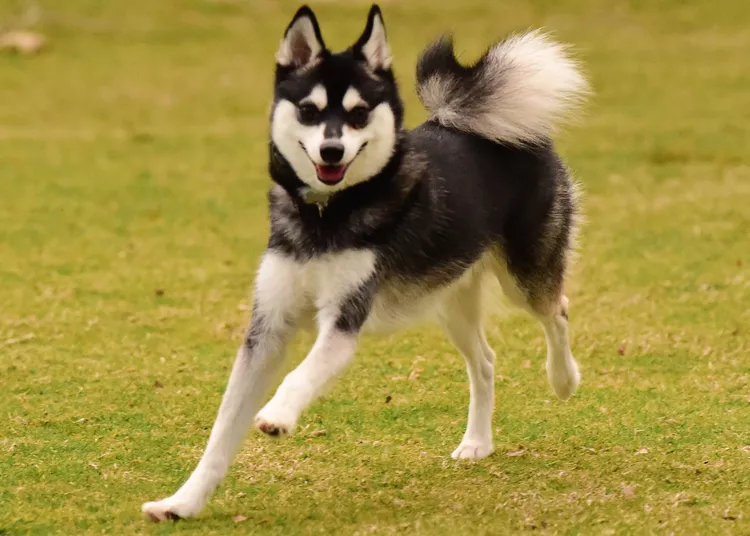
The Alaskan klee kai is a small dog breed originating in the United States that has medium-length, wiry fur and resembles a Siberian husky. The breed does, in fact, have huskies in its ancestry mixed with other breeds to diminish its size. These dogs come in three sizes: toy, miniature, and standard.
With their high energy, intelligence, and alert nature, the Alaskan klee kai can be quite the handful compared to some other dogs their size. Still, they're generally very loyal and bond closely with their family.
Learn more about the Alaskan klee kai, including the breed’s history, temperament, and care needs.
GROUP: N/A
HEIGHT: 13 inches and under (toy), 13 to 15 inches (miniature), 15 to 17.5 inches (standard)
WEIGHT: 6 to 12 pounds (toy), 10 to 18 pounds (miniature), 16 to 25 pounds (standard)
COAT: Medium-length, wiry
COAT COLOR: Black and white, gray and white, or red and white
LIFE SPAN: 13 to 16 years
TEMPERAMENT: Alert, loyal, intelligent
HYPOALLERGENIC: No
ORIGIN: United States
Being energetic and alert are hallmarks of the Alaskan klee kai’s personality. They have playful personalities and tend to love their humans, but they can be wary of strangers.
They are similar to the Siberian husky in their energy level and need for plenty of daily exercise and play. In addition, these dogs are vocal and like to bark, so they might not be the right choice for those living in apartments with close neighbors.
An Alaskan breeder named Linda Spurlin began the development of Alaskan klee kai in the 1970s. Spurlin wanted to create a smaller version of the huskies she was familiar with that had her ideal look and temperament.
Using selective breeding, she crossed Alaskan and Siberian huskies with American Eskimo dogs and schipperkes. The result was a small dog that still could handle the rough Alaskan terrain and could be a good companion. The name klee kai comes from the indigenous Athabaskan language and means “little dog.”
The breed is still fairly rare but has gained popularity over the decades. The American Kennel Club doesn’t recognize it yet, but it accepted the breed into Foundation Stock Service (which records breeding) in 2020.
Some famous people, such as Miley Cyrus and Joe Jonas, have also brought these dogs into their family, further proving how popular the breed is becoming.
As high-energy and intelligent dogs, Alaskan klee kai need lots of physical activity and mental stimulation. They are moderately receptive to training, as they can be both smart and stubborn at times. Furthermore, their grooming is relatively straightforward.
These dogs need an active pet parent who can give them at least a solid hour of exercise per day. A bored Alaskan klee kai can easily engage in problem behaviors, such as becoming destructive or excessively vocal.
Alaskan klee kai generally have excellent endurance, and they like to be challenged both mentally and physically. Some of the many activities you can enjoy with your dog include:
Make sure to keep your dog on a leash or in a secure fenced area. These dogs can be difficult to train to come when they’re called. And despite their small size, they have the athleticism to run away quickly.
Like huskies, these dogs have a short, dense undercoat and a medium-length, wiry outer coat. And, like cats, these dogs are self-groomers, but this doesn’t mean you won’t need to groom them. They shed a moderate amount, though shedding typically increases twice a year in the spring and fall. Brush at least weekly to remove loose fur and prevent mats; up to daily brushing might be necessary during the high-shedding periods.
Fortunately, the coat naturally repels dirt and stays pretty clean, so usually only the occasional bath is necessary. Check your dog’s nails once a month or so to see whether they need trimming. And aim to brush their teeth daily. Also, check the dog’s ears regularly and clean them when necessary—this is especially important if they have thyroid issues that can cause ear infections.
These bright dogs generally are quick to learn and enjoy mental challenges. However, they also have an independent and free-thinking side to their personality that can complicate training. They tend to respond well to positive and rewards-based training methods. Making training seem like a game to them often is a great way to get results.
Aim to start training as early as possible with a puppy obedience class. And start socializing your dog when they're still young as well. That way, they can get along well with everyone. Alaskan klee kai can be reserved around strangers and often bark when something is unsettling to them. Providing them with positive experiences around different people and situations can help to build their comfort and confidence.
These dogs do best with other pets, including cats, when they’re raised with them from puppyhood. However, small pets, such as lizards, might be viewed as prey, so it’s important to keep this breed’s high prey drive in mind if you have a multi-pet household.
Supervise your children when they interact with the Alaskan klee kai, especially if your kids are young. Teach them to be gentle with their small dog, and also keep an eye on their interactions to ensure the dog won’t nip them.
Alaskan klee kai overall are healthy dogs. But the breed still is prone to some hereditary health issues, including:
Always have fresh water available to your dog. And feed a quality, nutritionally balanced canine diet. Discuss the proper variety and quantity with your vet, as this can vary based on size, age, and other factors.
Most owners feed two measured meals per day. Putting meals in a puzzle feeder rather than a bowl can help to provide your dog with some mental stimulation.
As active dogs, Alaskan klee kai aren’t prone to becoming overweight. But it’s still important to measure their food and monitor treat intake to prevent overeating.
For a reputable breeder puppy, expect to pay around $1,500 to $3,000, though this can vary widely. Breeders also can be difficult to find depending on where you live.
The Alaskan klee kai is a rare dog breed, so it’s not likely that you’ll often come across one at an animal shelter. Still, it’s always worth checking shelters and breed-specific rescue groups to see whether there’s one in need of a home.
To help connect you with an Alaskan klee kai, check out:
Although these dogs are small and don’t need a lot of space, the Alaskan klee kai isn’t for everyone because they can be high-maintenance and bark a lot. These dogs don’t require a complicated grooming routine but need to be given the opportunity to exercise daily, and they can be a bit of a challenge when it comes to training.
Before you bring home an Alaskan klee kai, do plenty of research to make sure the breed is right for your lifestyle. Speak to veterinarians, klee kai pet parents, reputable breeders, and rescue groups. Also, try to meet some Alaskan klee kai in person to learn more.
If you’re interested in similar breeds, check out:
There’s a whole world of potential dog breeds out there—with a little research, you can find the right one to bring home!
Well-trained and socialized Alaskan klee kai can be good around older children who understand how to behave around a dog. However, these dogs don't tend to be patient with young and/or rambunctious children and consequently might nip.
Alaskan klee kai are described as mini huskies because of their appearance and personality. The Siberian husky was also used in the development of this breed.
Yes, Alaskan klee kai are small dogs, whether you get the standard, miniature, or toy size. On the larger end of the standard size, they can be 17.5 inches and 25 pounds.

Swollen Lymph Nodes in Dogs
Dogs' lymph node glands may become enlarged due to infection or disease. Learn the causes, treatment, and prevention.
What Is Spaying? All About the Procedure in Dogs
What is a spay? Should you have your dog spayed? Learn what it means to spay a dog, a procedure also known as an ovariohysterectomy.
Can Dogs Eat Popsicles?
You might be wondering can dogs eat popsicles? Certain types of frozen treats are safe for your dog, but you need to be aware of ingredients and allergies
Can Dogs Drink Milk?
Dogs can have milk, providing they are not lactose intolerant. It should really only be given in small quantities though
Can My Dog Eat Tomatoes?
You'll want to keep Fido out of your garden since the tomato plant is toxic, but you can safely offer him ripe tomatoes as a nutrient-packed treat.
Can Dogs Taste Spicy Flavors?
While dogs and humans experience some flavors differently, dogs do taste spicy flavors and in some cases, this can be harmful for them.
Should You Allow Your Indoor Cat to Go Outside?
Here are pros, cons, and safety considerations for allowing indoor cats to explore outdoors and the indoor vs outdoor cats debate, plus safety tips.
Can My Spayed Cat Still Be in Heat?
If your cat was spayed but appears to be in heat, the condition may be caused by several factors. Learn about them here.
How to Keep Cats Cool in Summer
Summertime means heat and with increased temperatures, you have an increased risk of heatstroke in cats. Find out how to prevent heatstroke and keep your cat cool in the summer.
Taurine for Cats
Taurine is an essential animal protein in your cat's diet. Learn more about the various ways it supports your feline's body.
Why Is My Cat Always Hungry and Meowing?
A cat can act like it is always hungry, and there may be a medical reason for this. Learn what behavior is normal and when to see your veterinarian.
Elf Cat: Breed Profile, Characteristics & Care
Elf cats are a new, rare cross between a sphynx and American curl with curly ears and a playful personality.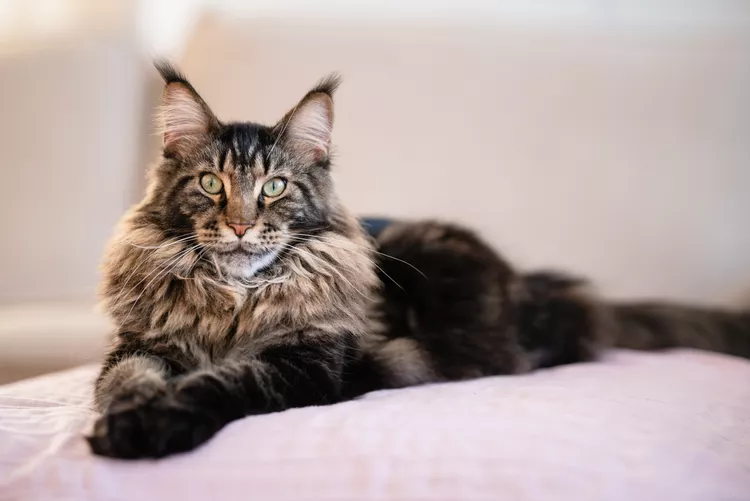
Maine Coon Cat: Breed Profile, Characteristics & Care
The Maine Coon cat is of the largest cat breeds in the world. These amiable, gentle cats make great companions. Learn about the Maine Coon cat breed's appearance, temperament, health, and care needs.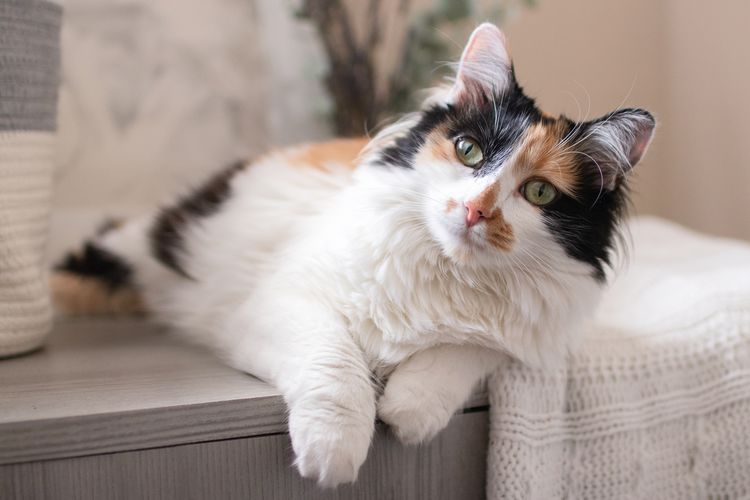
Calico Cat: Breed Profile, Characteristics & Care
Calico cats boast unique tri-color coats, and they are famous for being both spunky and sweet. Learn about the calico cat color pattern.
Bombay: Cat Breed Profile, Characteristics & Care
The Bombay cat, a mix of the Burmese and the American shorthair, features an all-black coat, a stocky build, and a friendly demeanor.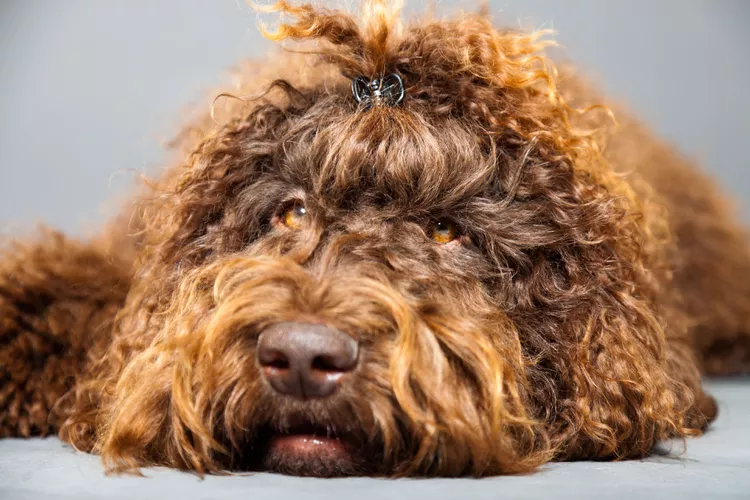
Barbet: Dog Breed Characteristics & Care
Learn about the barbet dog, a French hunting breed that's tough to find in the United States. It's known for its curly coat and calm demeanor.
Bichon Frise: Dog Breed Characteristics & Care
The bichon frise is a fluffy little white dog with a joyful personality. Learn more about its appearance, personality, history, care, and more.
Australian Kelpie: Dog Breed Characteristics & Care
The Australian kelpie is an intelligent, high-energy dog breed developed for herding. Learn about the Australian kelpie, including temperament, appearance, history, and care needs.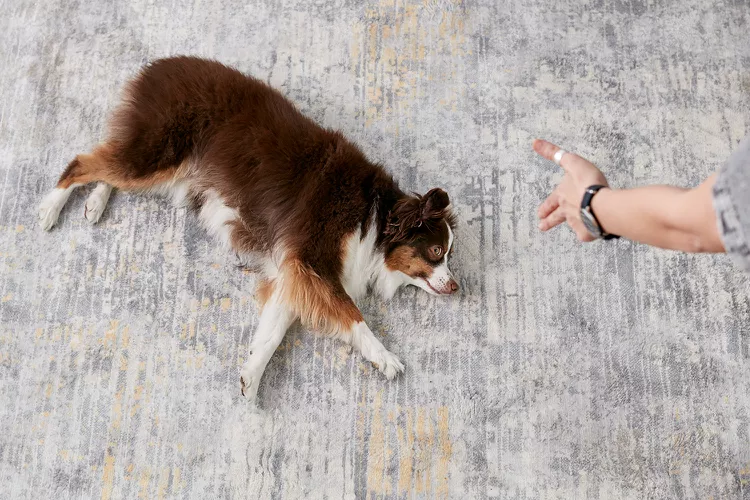
How to Teach Your Dog to Play Dead in 4 Steps
Playing dead is a fun dog trick that most dogs can pick up pretty quickly. Learn simple steps to teach your dog to play dead when you say "bang."
Different Meanings of a Dog's Wagging Tail
A dog wagging his tail is a common sight, but it may mean more than you think. Find out why dogs wag their tails and what canine tail wagging means.


