
Calico cats aren't a specific breed of cat. They're actually members of domestic cat breeds who sport unique tri-color coats (known as calico). One calico may display the usual combination of vibrant orange, black, and white, while another can feature a more subdued shade of cream mixed with blue. In feline genetics, the latter is known as a "dilute calico."
You'll never see two calico cats exactly alike. Their personalities are equally interesting; they are known for their sass and spunk, but they are also loving and loyal companions for people of all ages. Interestingly, hard-to-find calicoes are almost all female, and the extremely rare male—1 out of every 3,000 calicoes—is always sterile so they can't breed. It's part of why they're considered to be lucky.
Learn more about what makes calico cats so special.
Personality: Sassy, spunky, bold, affectionate, independent, loyal
Weight: Up to 12 pounds
Length: About 18 inches
Coat Length: Short hair and long hair
Coat Colors: Orange, black, blue, lilac, and cream
Coat Patterns: Tri-color (calico)
Eye Color: Yellow, green, or blue
Lifespan: 15 years, depending on breed
Hypoallergenic: No
Origin: Possibly Egypt and the Mediterranean coast
The calico is a medium-sized domestic cat renowned for their spunky, assertive personality. While this is a generally independent cat who doesn't require constant attention, the calico is also sweet, loving, and loyal.
They will readily bond with a single person but enjoy the company of an entire family, too. However, a study on cat coat colors and behavior found that calicos tend to be more aggressive.
Calicoes differ from tortoiseshell cats, whose colors (red and black) are interwoven throughout the coat instead of appearing in distinct patches of solid color.
No one is sure where the calico originated, though the cats likely emerged from Egypt and were traded along the Mediterranean.
Calico cats are believed to bring good luck in the folklore of many cultures. In Japan, Maneki Neko are good luck figures—the waving cat—that sometimes depict calico cats. In the United States, these are sometimes referred to as "money cats."
Researchers began seriously studying calico cats and their appearance in the late 1940s. Murray Barr and his graduate student E.G. Bertram noticed masses inside the nuclei of nerve cells of female cats. They were absent in male cats. These dark masses eventually were called Barr bodies and determined to be inactive X chromosomes. Mary Lyon proposed the concept of X-inactivation in 1961. It occurs when one of the two X chromosomes inside a female mammal shuts off. She observed this in the coat color patterns in mice, similar to the patterns of calico cats.
In calico cats, the fur-color gene occupies the X chromosome. If that chromosome deactivates, a different fur color will appear. The inactive chromosomes are random, which is why each calico cat has a unique pattern.
The care of a calico cat will largely depend on their breed. Shorthaired calicoes' coats, for example, will require less brushing than those of longhaired breeds.
Regardless of breed, all cats need exercise and enrichment. You'll also need to make sure your cat sees the vet regularly and is up-to-date on their vaccines. Don't forget about regularly brushing your kitty's teeth.
The lifespan of a calico cat can be influenced by their breed. Male calico cats tend to have more health issues than female calicoes.
Regardless of the breed, a male calico cat is prone to a genetic health condition called Klinefelter Syndrome. In addition to being sterile, these cats experience cognitive and developmental issues, behavioral problems, reduced bone mineral content, and obesity.
Female calico cats do not have health problems that correlate with their color patterns, but they may have issues specific to their respective breeds. That's why it's important to schedule regular visits with your vet.
Calico cats are some of the most strikingly patterned cats, wearing bold patches of colors—mostly orange, black, and white.
According to the Cat Fanciers' Association (CFA) show standards for calico Persians, the cat should be a tri-color cat of black, red, and white with white feet, legs, belly, chest, and muzzle. The cat should also have a colored tail and one or more colored patches on the head and body.
Calicoes' eye colors include copper, blue, green, or odd-eyed. In show-quality Persians, odd-eyed bi-colors should have one blue and one copper eye with equal color depth.
A complete and balanced cat food, whether dried or canned, is generally a great option for calicoes of any breed. However, research your specific breed of cat to find out if they have any unique dietary requirements. Ask your veterinarian for feeding advice, too.
Calicoes are generally not breed specific. You may find one at your local shelter or pet rescue for under $100. Calico-patterned breeds are more expensive.
Calico cats are not rare, but finding one at a local shelter can be difficult. Check with breeders of cats who tend to have calico coloration in your area to see if any specialize in calico patterns, or search online adoption sites to locate a kitten or cat in your area.
It would be easier to give a list of breeds that do not produce calicoes. While the calico pattern may pop up in many cat breeds, the following are the most likely to display it:
The calico is not a breed and has no technically identifiable personality traits, but pet parents and enthusiasts often insist the calico pattern seems to impart a particular pep and sass in female felines that carry the colorful genes. These friendly, outgoing cats have a flair for independence but also enjoy socializing with their human families and other pets.
If you’re interested in similar breeds, check out:
Otherwise, check out all our other cat breed profiles.
Calico cats, in general, are not as common as other coat colors and patterns. However, male calico cats are extremely rare. Only about 1 in every 3,000 calicoes is a male.
Like most cats that are not breed-specific, calicoes live to be about 15 years old on average. Some can live longer, while others have shorter lifespans, and their breed can influence their longevity.
Since they are not breed-specific, this varies. As a general rule, calicoes range from 7 to 12 pounds.

Swollen Lymph Nodes in Dogs
Dogs' lymph node glands may become enlarged due to infection or disease. Learn the causes, treatment, and prevention.
What Is Spaying? All About the Procedure in Dogs
What is a spay? Should you have your dog spayed? Learn what it means to spay a dog, a procedure also known as an ovariohysterectomy.
Can Dogs Eat Popsicles?
You might be wondering can dogs eat popsicles? Certain types of frozen treats are safe for your dog, but you need to be aware of ingredients and allergies
Can Dogs Drink Milk?
Dogs can have milk, providing they are not lactose intolerant. It should really only be given in small quantities though
Can My Dog Eat Tomatoes?
You'll want to keep Fido out of your garden since the tomato plant is toxic, but you can safely offer him ripe tomatoes as a nutrient-packed treat.
Can Dogs Taste Spicy Flavors?
While dogs and humans experience some flavors differently, dogs do taste spicy flavors and in some cases, this can be harmful for them.
Should You Allow Your Indoor Cat to Go Outside?
Here are pros, cons, and safety considerations for allowing indoor cats to explore outdoors and the indoor vs outdoor cats debate, plus safety tips.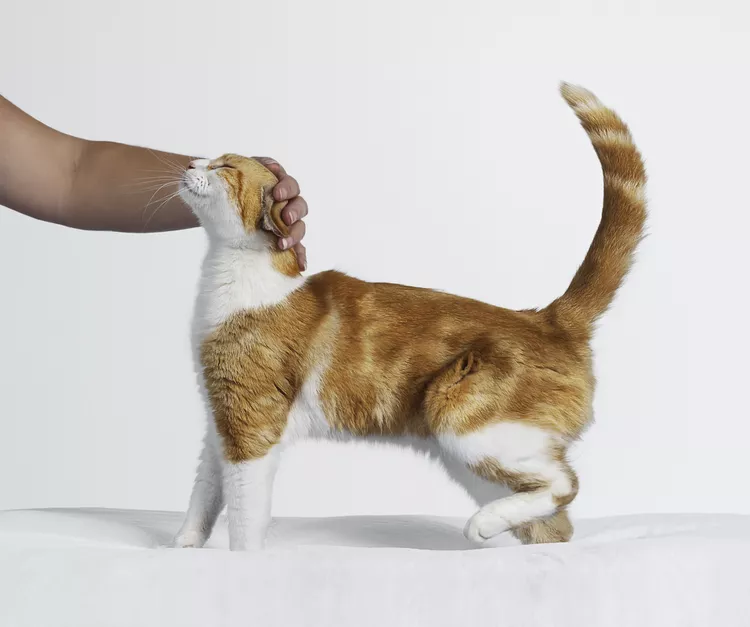
Can My Spayed Cat Still Be in Heat?
If your cat was spayed but appears to be in heat, the condition may be caused by several factors. Learn about them here.
How to Keep Cats Cool in Summer
Summertime means heat and with increased temperatures, you have an increased risk of heatstroke in cats. Find out how to prevent heatstroke and keep your cat cool in the summer.
Taurine for Cats
Taurine is an essential animal protein in your cat's diet. Learn more about the various ways it supports your feline's body.
Why Is My Cat Always Hungry and Meowing?
A cat can act like it is always hungry, and there may be a medical reason for this. Learn what behavior is normal and when to see your veterinarian.
Elf Cat: Breed Profile, Characteristics & Care
Elf cats are a new, rare cross between a sphynx and American curl with curly ears and a playful personality.
Maine Coon Cat: Breed Profile, Characteristics & Care
The Maine Coon cat is of the largest cat breeds in the world. These amiable, gentle cats make great companions. Learn about the Maine Coon cat breed's appearance, temperament, health, and care needs.
Calico Cat: Breed Profile, Characteristics & Care
Calico cats boast unique tri-color coats, and they are famous for being both spunky and sweet. Learn about the calico cat color pattern.
Bombay: Cat Breed Profile, Characteristics & Care
The Bombay cat, a mix of the Burmese and the American shorthair, features an all-black coat, a stocky build, and a friendly demeanor.
Barbet: Dog Breed Characteristics & Care
Learn about the barbet dog, a French hunting breed that's tough to find in the United States. It's known for its curly coat and calm demeanor.
Bichon Frise: Dog Breed Characteristics & Care
The bichon frise is a fluffy little white dog with a joyful personality. Learn more about its appearance, personality, history, care, and more.
Australian Kelpie: Dog Breed Characteristics & Care
The Australian kelpie is an intelligent, high-energy dog breed developed for herding. Learn about the Australian kelpie, including temperament, appearance, history, and care needs.
How to Teach Your Dog to Play Dead in 4 Steps
Playing dead is a fun dog trick that most dogs can pick up pretty quickly. Learn simple steps to teach your dog to play dead when you say "bang."
Different Meanings of a Dog's Wagging Tail
A dog wagging his tail is a common sight, but it may mean more than you think. Find out why dogs wag their tails and what canine tail wagging means.


