
The bichon frise is a small non-sporting dog breed with long, curly white hair that makes its dark eyes and nose pop. Many say bichons are fluffy like a cotton ball and resemble a “living stuffed animal.” These are peppy, people-oriented dogs that don’t like being left alone. One of their favorite spots will probably be snuggling in your lap.
GROUP: Non-Sporting
HEIGHT: 9.5 to 11.5 inches
WEIGHT: 12 to 18 pounds
COAT: Long, curly
COAT COLOR: White, white and apricot, white and buff, white and cream
LIFE SPAN: 14 to 15 years
TEMPERAMENT: Affectionate, friendly, playful
HYPOALLERGENIC: Yes
ORIGIN: Spain
Bichons tend to have a very playful and affectionate personality, and they love people. They also have a good temperament for kids and other household pets. They respond fairly well to training and typically don't bark a lot.
The earliest bichons can be traced back to the 13th century in the Canary Islands. Sailors took them aboard their ships and used them in trade, thus making the dog popular around Europe. Aristocrats especially took a shine to these fluffy little canines and treated them as pampered lapdogs.
Many bichons lost their aristocratic owners during the French Revolution. But luckily street performers picked some up and trained them to perform tricks for money. The breed ended up being a staple at circuses and fairs.
The bichon struggled again during the World Wars, but people in France and Belgium worked to preserve the breed and set its official standard. The American Kennel Club first recognized the breed in 1972.
Bichons don't need an excessive amount of activity, but they shouldn't be couch potatoes either. They also require proper training and socialization to be well-mannered dogs. And their grooming is somewhat involved.
Bichons often have bursts of high energy followed by restful spells. They should get at least an hour of exercise per day via activities such as walks and play sessions. It’s ideal to have a fenced area where they can run freely, as well. Many bichons also enjoy dog sports to challenge their bodies and minds.
The soft, curly coat of the bichon grows continuously and sheds minimally. Because of this coat type, routine grooming is an absolute necessity. Otherwise, the coat can become matted and tangled. Bichons should be brushed at least two to three times per week. Haircuts are usually necessary every four to six weeks. Make sure to keep the hair around the eyes trimmed to maintain a clear sightline
Bichons also will need a bath roughly every month, depending on how dirty they get. Their white fur shows dirt easily, and they are prone to developing tear stains around their eyes. Check the nails about every month to see whether they need a trim. And look in your dog's ears weekly for any wax buildup, dirt, and other abnormalities. Finally, aim to brush your bichon's teeth daily to help prevent dental disease.
The bichon needs proper training and socialization to be happy and well-adjusted. Do not make the mistake of skipping training just because the bichon is a small and generally affable dog. Bad habits can develop when you let training slide. Bichons tend to learn quickly, though housebreaking can take some extra effort. They respond well to positive training methods; harsh corrections can cause them to shut down and not learn.
Socialize your bichon with different people and in various scenarios to boost its comfort and confidence. Bichons tend to be adaptable dogs who are friendly with strangers, but it's good to reinforce this with positive experiences.
If you must be away from home for long periods on most days, a bichon might develop separation anxiety and destructive habits. Having another dog for company might help. Crate training can also help curb destructive behavior when you are away from home.
This is an overall healthy breed, but bichons still are prone to some hereditary health issues, including:
Always have fresh water available for your dog. And provide a quality, nutritionally balanced canine diet. It’s typical to feed two measured meals per day. But discuss the quantity and type of diet with your vet to make sure you’re meeting your dog’s individual needs. Even though these dogs often know how to work their owners for treats, be mindful of extra food to prevent overeating. Even a pound of weight gain is significant for a small dog.
Because bichons are quite popular dogs, it’s worth checking local animal shelters for one in need of a home. Also, see whether there are any breed-specific rescue groups in your area. For a reputable breeder puppy, expect to pay around $700 to $2,500 on average, though this can vary widely.
For further information to help you find a bichon frise, check out:
Generally very sweet and friendly
Often good around kids
Can live in a small space
Needs more than basic grooming
Prone to separation anxiety
Prone to allergies and dental disease
Do plenty of research first to determine whether a bichon frise is right for your lifestyle. Talk to veterinarians, bichon owners, rescue groups, and reputable breeders. Also, try to visit with some bichons in person if possible.
If you’re interested in similar breeds, check out:
There’s a whole world of potential dog breeds out there—with a little research, you can find the right one to bring home!
Bichons were bred to be companions, spending lots of time as pampered lapdogs. They even were historically used as barter thanks to their value as companions.
Bichon frises can make excellent family dogs. They’re generally tolerant of children, though it’s important to make sure kids do not roughly handle them.
Bichons can be excellent apartment dogs as long as they get out every day to stretch their legs. They're usually not problem barkers, though they will alert you to visitors.

Swollen Lymph Nodes in Dogs
Dogs' lymph node glands may become enlarged due to infection or disease. Learn the causes, treatment, and prevention.
What Is Spaying? All About the Procedure in Dogs
What is a spay? Should you have your dog spayed? Learn what it means to spay a dog, a procedure also known as an ovariohysterectomy.
Can Dogs Eat Popsicles?
You might be wondering can dogs eat popsicles? Certain types of frozen treats are safe for your dog, but you need to be aware of ingredients and allergies
Can Dogs Drink Milk?
Dogs can have milk, providing they are not lactose intolerant. It should really only be given in small quantities though
Can My Dog Eat Tomatoes?
You'll want to keep Fido out of your garden since the tomato plant is toxic, but you can safely offer him ripe tomatoes as a nutrient-packed treat.
Can Dogs Taste Spicy Flavors?
While dogs and humans experience some flavors differently, dogs do taste spicy flavors and in some cases, this can be harmful for them.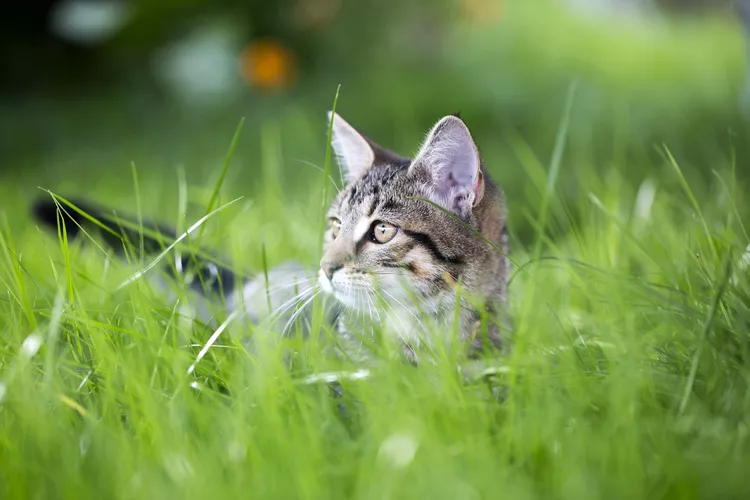
Should You Allow Your Indoor Cat to Go Outside?
Here are pros, cons, and safety considerations for allowing indoor cats to explore outdoors and the indoor vs outdoor cats debate, plus safety tips.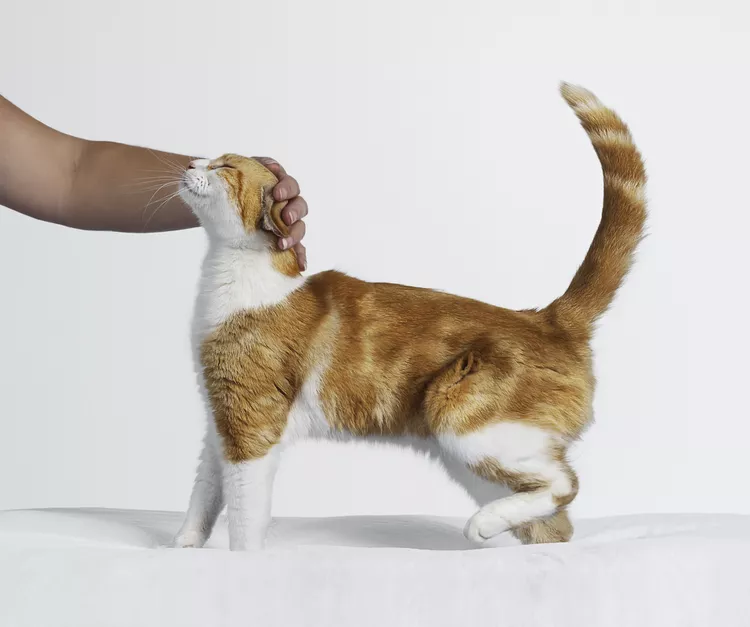
Can My Spayed Cat Still Be in Heat?
If your cat was spayed but appears to be in heat, the condition may be caused by several factors. Learn about them here.
How to Keep Cats Cool in Summer
Summertime means heat and with increased temperatures, you have an increased risk of heatstroke in cats. Find out how to prevent heatstroke and keep your cat cool in the summer.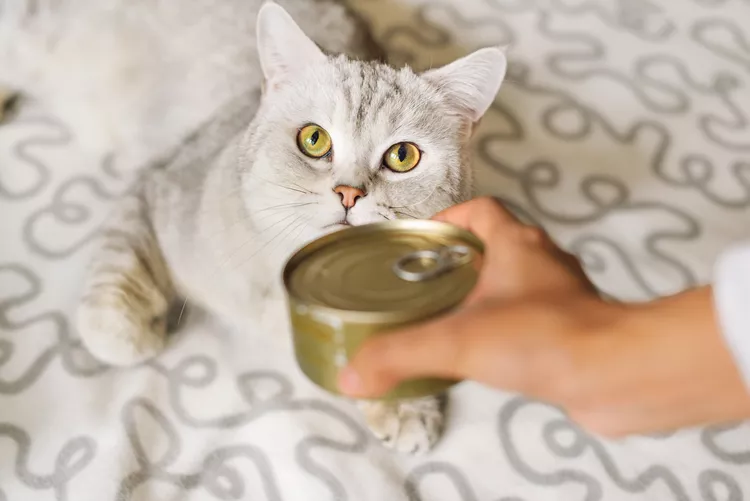
Taurine for Cats
Taurine is an essential animal protein in your cat's diet. Learn more about the various ways it supports your feline's body.
Why Is My Cat Always Hungry and Meowing?
A cat can act like it is always hungry, and there may be a medical reason for this. Learn what behavior is normal and when to see your veterinarian.
Elf Cat: Breed Profile, Characteristics & Care
Elf cats are a new, rare cross between a sphynx and American curl with curly ears and a playful personality.
Maine Coon Cat: Breed Profile, Characteristics & Care
The Maine Coon cat is of the largest cat breeds in the world. These amiable, gentle cats make great companions. Learn about the Maine Coon cat breed's appearance, temperament, health, and care needs.
Calico Cat: Breed Profile, Characteristics & Care
Calico cats boast unique tri-color coats, and they are famous for being both spunky and sweet. Learn about the calico cat color pattern.
Bombay: Cat Breed Profile, Characteristics & Care
The Bombay cat, a mix of the Burmese and the American shorthair, features an all-black coat, a stocky build, and a friendly demeanor.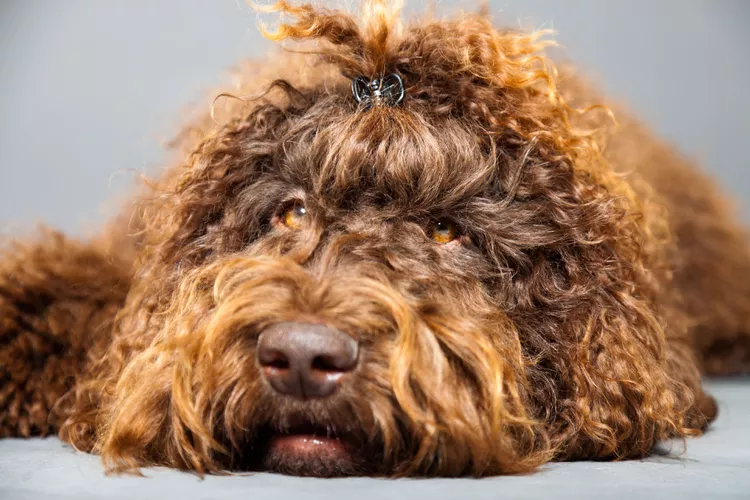
Barbet: Dog Breed Characteristics & Care
Learn about the barbet dog, a French hunting breed that's tough to find in the United States. It's known for its curly coat and calm demeanor.
Bichon Frise: Dog Breed Characteristics & Care
The bichon frise is a fluffy little white dog with a joyful personality. Learn more about its appearance, personality, history, care, and more.
Australian Kelpie: Dog Breed Characteristics & Care
The Australian kelpie is an intelligent, high-energy dog breed developed for herding. Learn about the Australian kelpie, including temperament, appearance, history, and care needs.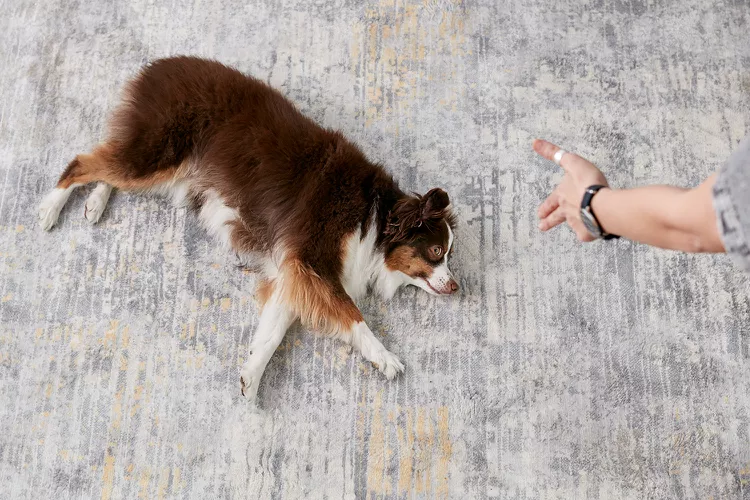
How to Teach Your Dog to Play Dead in 4 Steps
Playing dead is a fun dog trick that most dogs can pick up pretty quickly. Learn simple steps to teach your dog to play dead when you say "bang."
Different Meanings of a Dog's Wagging Tail
A dog wagging his tail is a common sight, but it may mean more than you think. Find out why dogs wag their tails and what canine tail wagging means.


