
Your cat is likely to have a basic personality but shows different mannerisms from day to day. If you want to better understand what makes your cat tick, consider these factors that influence their personalities.
It is only possible to fully know the genetics of pure-bred cats. Various cat breeds have been around long enough that their distinguishing characteristics such as body type and personalities are fairly consistent. Since cat breeders have made efforts to breed to type, colors within the breeds have also been consistent, according to breed standards. It is an interesting aside that colors in cats sometimes carry personality traits too.
Personalities within a given breed remain fairly consistent, other factors aside. As an example, the Cat Fanciers Association Persian Cat Profile describes its personality as "sweet," "gentle," and needing "an atmosphere of security and serenity."
Since the vast majority of pet cats are of the domestic or mixed breed variety, environment is the single most important factor behind their personalities. The single most important environmental factor for cats in their home is "What is the overall mood of the home?" A home where the human family members' interaction is normally on an even keel, whether it be quiet and harmonious or noisy and happily active, is the most desirable atmosphere for cats.
One of the things cats hate the most is change of any kind, and that includes changes in attitudes from day to day. If the humans are happy and active one minute, moody and distant the next, and perhaps arguing loudly the next, the cats will reflect these changes according to their own personalities. A shy, withdrawn cat may hide under the bed for days. A normally active cat may suddenly turn on his favorite feline housemate—sort of a variation on the redirected aggression syndrome.
Examples of changes that can affect your cat include:
Conversely, if the human family members are for the most part on an even keel, although it is not an automatic guarantee of peace within the cat population, the cats will feel free to interact according to their own temperaments.
Cats are fastidious creatures and don't tolerate dirty litter boxes or spoiled food. Untidiness is one thing, but a dirty, stinky house is entirely another. In that kind of atmosphere, most cats would become withdrawn, depressed, and likely physically sick. On the other hand, a clean home (not necessarily tidy), with nutritious food, cool, clear water, toys, and scratching posts, lays the foundation for happy cats, all other things being equal.
A cat's history plays a large role in his or her personality, as well as behavior. With most purebred cats obtained from a cattery, a complete pedigree going back several generations will be part of the purchase price. History is not just a pedigree, though; certainly, a purebred cat purchased from a backyard breeder (kitten mill) will have a much different personality than a cat raised "underfoot" in a reputable breeder's home.
With domestic cats, many of whom may have been found on the street, or adopted from animal shelters, often very little is known of the cat's history. A cat may have been in an abusive situation. He may have been loved by someone in his previous family, but someone else decided to get a dog, and the cat had to go. Or, the previous owners may have been evicted or had their house foreclosed by the lender. In these cases, it is not unusual for them simply to leave the cat behind or drop him off at the shelter.
Any combination of the above factors will have an effect on the various personality traits of the cats within a given home. A cat who was abused in a previous home will likely require special nurturing, but may eventually become a well-rounded cat with a sweet, loving personality. If he is dumped into a disorganized, dysfunctional atmosphere, or a home with numerous stress factors, he may always be a "fraidy cat."
Most multi-cat households have a pecking order, which may change from time-to-time and even day by day.
Cats are often enigmas, displaying first one personality trait, then another. With humans, we might call this sort of behavioral trait "moodiness." There are only three things about them that can be said for certain:

Swollen Lymph Nodes in Dogs
Dogs' lymph node glands may become enlarged due to infection or disease. Learn the causes, treatment, and prevention.
What Is Spaying? All About the Procedure in Dogs
What is a spay? Should you have your dog spayed? Learn what it means to spay a dog, a procedure also known as an ovariohysterectomy.
Can Dogs Eat Popsicles?
You might be wondering can dogs eat popsicles? Certain types of frozen treats are safe for your dog, but you need to be aware of ingredients and allergies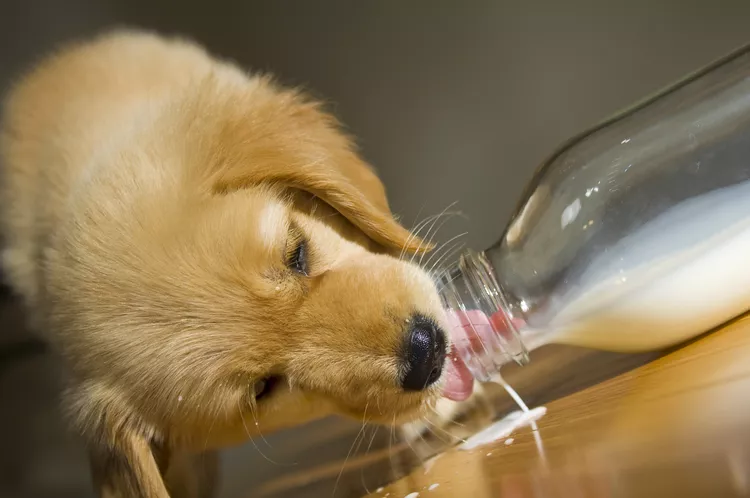
Can Dogs Drink Milk?
Dogs can have milk, providing they are not lactose intolerant. It should really only be given in small quantities though
Can My Dog Eat Tomatoes?
You'll want to keep Fido out of your garden since the tomato plant is toxic, but you can safely offer him ripe tomatoes as a nutrient-packed treat.
Can Dogs Taste Spicy Flavors?
While dogs and humans experience some flavors differently, dogs do taste spicy flavors and in some cases, this can be harmful for them.
Should You Allow Your Indoor Cat to Go Outside?
Here are pros, cons, and safety considerations for allowing indoor cats to explore outdoors and the indoor vs outdoor cats debate, plus safety tips.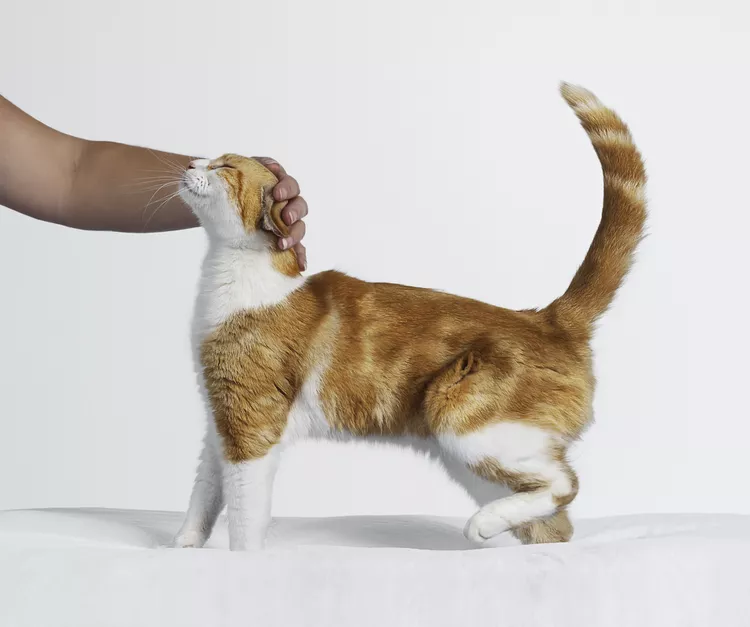
Can My Spayed Cat Still Be in Heat?
If your cat was spayed but appears to be in heat, the condition may be caused by several factors. Learn about them here.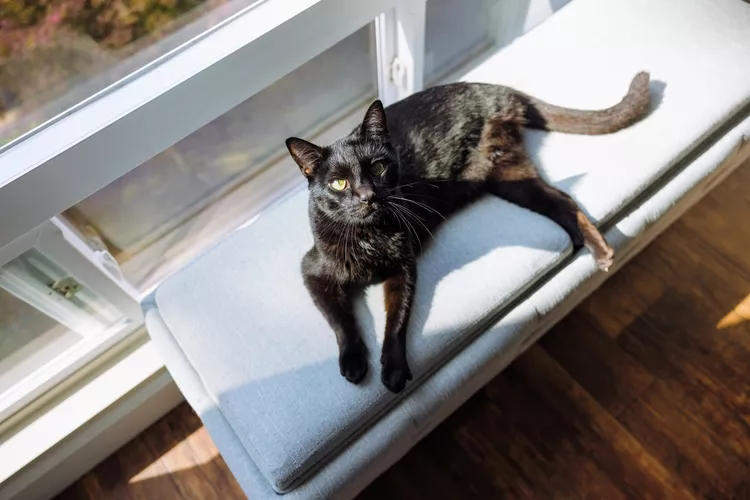
How to Keep Cats Cool in Summer
Summertime means heat and with increased temperatures, you have an increased risk of heatstroke in cats. Find out how to prevent heatstroke and keep your cat cool in the summer.
Taurine for Cats
Taurine is an essential animal protein in your cat's diet. Learn more about the various ways it supports your feline's body.
Why Is My Cat Always Hungry and Meowing?
A cat can act like it is always hungry, and there may be a medical reason for this. Learn what behavior is normal and when to see your veterinarian.
Elf Cat: Breed Profile, Characteristics & Care
Elf cats are a new, rare cross between a sphynx and American curl with curly ears and a playful personality.
Maine Coon Cat: Breed Profile, Characteristics & Care
The Maine Coon cat is of the largest cat breeds in the world. These amiable, gentle cats make great companions. Learn about the Maine Coon cat breed's appearance, temperament, health, and care needs.
Calico Cat: Breed Profile, Characteristics & Care
Calico cats boast unique tri-color coats, and they are famous for being both spunky and sweet. Learn about the calico cat color pattern.
Bombay: Cat Breed Profile, Characteristics & Care
The Bombay cat, a mix of the Burmese and the American shorthair, features an all-black coat, a stocky build, and a friendly demeanor.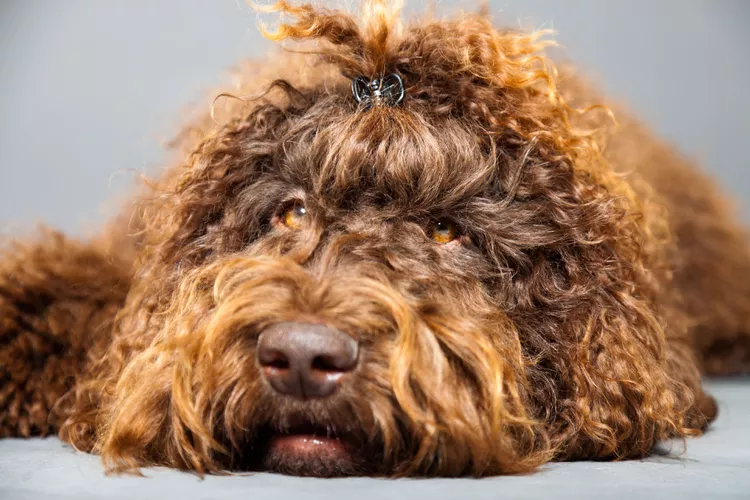
Barbet: Dog Breed Characteristics & Care
Learn about the barbet dog, a French hunting breed that's tough to find in the United States. It's known for its curly coat and calm demeanor.
Bichon Frise: Dog Breed Characteristics & Care
The bichon frise is a fluffy little white dog with a joyful personality. Learn more about its appearance, personality, history, care, and more.
Australian Kelpie: Dog Breed Characteristics & Care
The Australian kelpie is an intelligent, high-energy dog breed developed for herding. Learn about the Australian kelpie, including temperament, appearance, history, and care needs.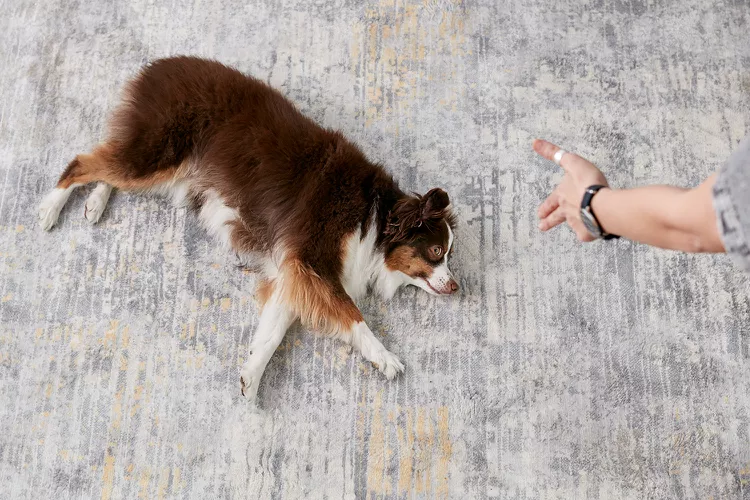
How to Teach Your Dog to Play Dead in 4 Steps
Playing dead is a fun dog trick that most dogs can pick up pretty quickly. Learn simple steps to teach your dog to play dead when you say "bang."
Different Meanings of a Dog's Wagging Tail
A dog wagging his tail is a common sight, but it may mean more than you think. Find out why dogs wag their tails and what canine tail wagging means.


:strip_icc()/cats-and-phones-553907-hero-fc5be319a0eb4a7492718ee25b09ac5b.jpg)