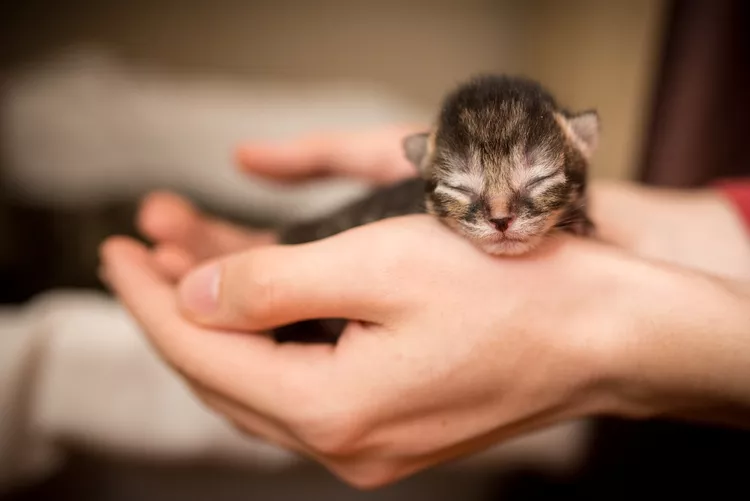
Raising newborn kittens is both challenging and time-consuming; it can be intensely rewarding and heartbreaking, as well. If you don't have the time or the emotional stamina to deal with the potential of losing kittens, you might leave the job to trained professionals. However, if your bleeding heart is ready to take on the challenge of stray babies, then go for it. Just make sure you can find a home for them all.
If the kittens are strays, yet being cared for by the mother cat, she will do the work of raising them and in most cases, will do a better job than humans who attempt to step in and bottle-feed. Bottle-feeding should be a last resort for kittens who are not otherwise nursing. It is a good idea to schedule a veterinary checkup to make sure everyone's healthy if the mama cat is docile enough to allow it. Some stray cats are not comfortable with human handling, and this can be especially stressful for new mothers. It is best to let the mama cat have space to feel safe to care for her new babies. Provide the mother cat with access to unlimited fresh water and food and give her a safe, quiet space where she can be alone with her kittens. Monitor the kittens to ensure they are all nursing, gaining weight, and staying warm. The rest is up to her.
If you encounter newborn kittens without a mother, or a mother who cannot nurse, you may need to act as the mother and provide the kittens' basic needs to ensure their survival. This requires round-the-clock care, at first, as if you just brought home a newborn baby.
Your veterinarian should examine orphaned newborns as soon as possible. Stray kittens can suffer from fleas and other parasites and may not have received the benefits of protective antibodies passed through their mother's milk. Orphaned kittens may need certain immunizations earlier than kittens who nurse until they are naturally weaned. And, any kitten showing signs of illness or distress including low body temperature, watery eyes, runny nose, diarrhea, lethargy, or failure to eat—should be seen immediately by a veterinarian.
Next up on your surrogate to-do list is building a nesting box for your kittens. You can use an oversized cat bed with bumper sides or even just a cardboard box lined with clean towels. Either way, make sure your nest has tall enough sides so that the small babies won't tumble out. This also encourages the litter to stay together to generate warmth.
Since kittens that get cold can decline in health very quickly, make sure that the nest is located in a warm space in your home. For the first few weeks, you may have to provide supplemental heat in the form of a heating pad set on low. Wrap this pad in a thick towel and place it in the bottom of the nest. Make sure the nursery has an unheated section, as well. Instinctively, the kittens will move toward the cooler area if they become too hot.
For the first few weeks, you will need to bottle feed the entire litter several times a day. Purchase formula made specifically for kittens, as well as kitten bottles and nipples. Follow the directions on the kitten milk replacement formula for feeding by weight. Younger and smaller babies will need as many as twelve feedings around the clock (every two hours), so set your alarm for night feedings and recruit a family member to help. Bottle feedings can be performed in a comfortable chair with a kitten on your lap, wrapped in a warm towel. Situate him on his belly, and then present the nipple to encourage him to suck. Feed each kitten until they are no longer interested and have had enough.
At around three or four weeks old, the babies are ready to start eating soft food from a dish. Place canned kitten food and formula into your blender and process it until it's the consistency of a thick liquid. Prime each kitten by putting a bit of the mixture onto your fingertip, and then lead them to the dish. As the kittens start to enjoy their mush, gradually reduce the amount of formula in the mixture until they are eating soft, canned food as is. At this point, your kittens can also drink water from a bowl. But don't be surprised if there is a little water play before they decide to drink it.
Eventually, your kittens will graduate to all solid foods and this can include a combination of canned and dry kitten food. Since their tummies are small, offer them four or five small meals a day until they reach 8 weeks old.
The mother kitten performs various tasks that both ensure the health of her kittens, as well as promote bonding. If you're the head honcho, these tasks fall on you.
Mother cats encourage newborns to urinate and move their bowels by washing their bums with her tongue. You can encourage the same elimination pattern by holding each kitty (put a towel over your lap first) and gently stroking its hind end with a warm wet washcloth or moistened cotton ball. You should be rewarded with urine and/or a bowel movement after every meal.
Grooming and massaging your newborn kittens replicates the bonding activities the mother cat usually performs. A soft baby brush, towel, or soft bristled toothbrush can be used to stroke your kittens down their backs, on their tummies, and to clean any dirt from their bodies. Soft-touch and massage help kittens adapt more easily to your presence and their new home.
Kittens take to the litterbox as quickly as ducks to water. Use a low-sided box for training—the lid to a shoebox works perfectly. A non-clumping, pellet litter works best for untrained newbies, as the clumping-type causes digestive upset if they eat it. Once the kittens start eating on their own, place each one in the box within 5-10 minutes after eating. Scratch the litter with your finger to show them what it's all about. When they hop out, put them back in a few times, then leave them alone. If one has an accident on the floor, pick up a small amount of poop with a shovel and put it into the box so the scent may encourage them to use the litter box the next time.

Swollen Lymph Nodes in Dogs
Dogs' lymph node glands may become enlarged due to infection or disease. Learn the causes, treatment, and prevention.
What Is Spaying? All About the Procedure in Dogs
What is a spay? Should you have your dog spayed? Learn what it means to spay a dog, a procedure also known as an ovariohysterectomy.
Can Dogs Eat Popsicles?
You might be wondering can dogs eat popsicles? Certain types of frozen treats are safe for your dog, but you need to be aware of ingredients and allergies
Can Dogs Drink Milk?
Dogs can have milk, providing they are not lactose intolerant. It should really only be given in small quantities though
Can My Dog Eat Tomatoes?
You'll want to keep Fido out of your garden since the tomato plant is toxic, but you can safely offer him ripe tomatoes as a nutrient-packed treat.
Can Dogs Taste Spicy Flavors?
While dogs and humans experience some flavors differently, dogs do taste spicy flavors and in some cases, this can be harmful for them.
Should You Allow Your Indoor Cat to Go Outside?
Here are pros, cons, and safety considerations for allowing indoor cats to explore outdoors and the indoor vs outdoor cats debate, plus safety tips.
Can My Spayed Cat Still Be in Heat?
If your cat was spayed but appears to be in heat, the condition may be caused by several factors. Learn about them here.
How to Keep Cats Cool in Summer
Summertime means heat and with increased temperatures, you have an increased risk of heatstroke in cats. Find out how to prevent heatstroke and keep your cat cool in the summer.
Taurine for Cats
Taurine is an essential animal protein in your cat's diet. Learn more about the various ways it supports your feline's body.
Why Is My Cat Always Hungry and Meowing?
A cat can act like it is always hungry, and there may be a medical reason for this. Learn what behavior is normal and when to see your veterinarian.
Elf Cat: Breed Profile, Characteristics & Care
Elf cats are a new, rare cross between a sphynx and American curl with curly ears and a playful personality.
Maine Coon Cat: Breed Profile, Characteristics & Care
The Maine Coon cat is of the largest cat breeds in the world. These amiable, gentle cats make great companions. Learn about the Maine Coon cat breed's appearance, temperament, health, and care needs.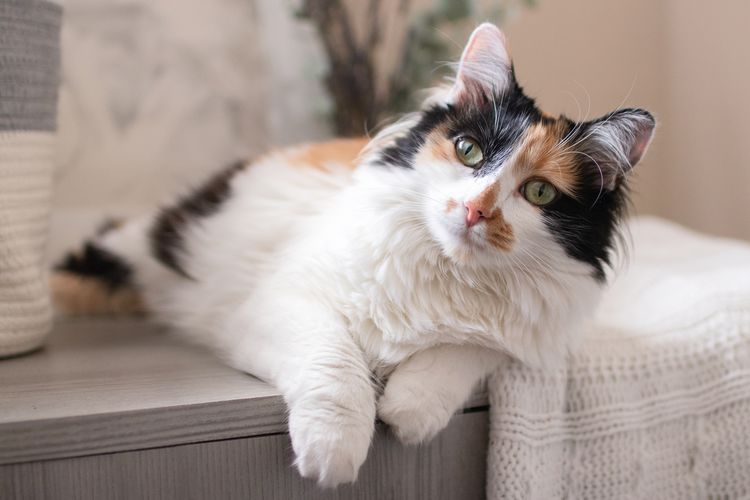
Calico Cat: Breed Profile, Characteristics & Care
Calico cats boast unique tri-color coats, and they are famous for being both spunky and sweet. Learn about the calico cat color pattern.
Bombay: Cat Breed Profile, Characteristics & Care
The Bombay cat, a mix of the Burmese and the American shorthair, features an all-black coat, a stocky build, and a friendly demeanor.
Barbet: Dog Breed Characteristics & Care
Learn about the barbet dog, a French hunting breed that's tough to find in the United States. It's known for its curly coat and calm demeanor.
Bichon Frise: Dog Breed Characteristics & Care
The bichon frise is a fluffy little white dog with a joyful personality. Learn more about its appearance, personality, history, care, and more.
Australian Kelpie: Dog Breed Characteristics & Care
The Australian kelpie is an intelligent, high-energy dog breed developed for herding. Learn about the Australian kelpie, including temperament, appearance, history, and care needs.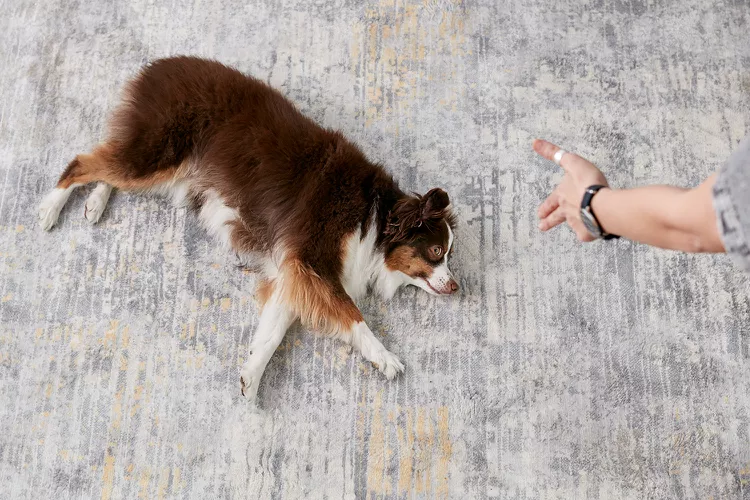
How to Teach Your Dog to Play Dead in 4 Steps
Playing dead is a fun dog trick that most dogs can pick up pretty quickly. Learn simple steps to teach your dog to play dead when you say "bang."
Different Meanings of a Dog's Wagging Tail
A dog wagging his tail is a common sight, but it may mean more than you think. Find out why dogs wag their tails and what canine tail wagging means.


