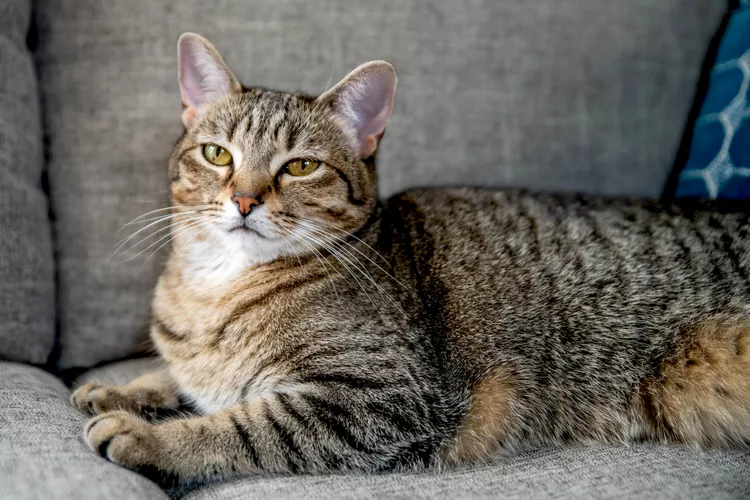
Tabby cats are not actually a specific breed but rather a description of their characteristic markings. Tabby describes a coat pattern that can appear in many different breeds with a surprising amount of variation. Tabbies can be brown, gray, orange, or even black, and their markings include stripes, spots, whorls, and bands. They typically have a "M"-shaped mark on their foreheads.
Learn more about tabby cat breeds, marking, and the history of the coat pattern.
Personality: Friendly, independent, outgoing, adventurous
Weight: Up to 18 pounds
Length: Up to 40 inches
Coat Length: Short or long hair, depending on breed
Coat Colors: Brown, gray, orange, or black
Coat Patterns: Tabby
Eye Color: Green, gold, or blue
Lifespan: Up to 18 years
Hypoallergenic: No
Origin: Ancient Egypt
It is no surprise the tabby cat is ubiquitous—the gene for the tabby pattern can be found in all domestic cats (look at a coal-black cat in the sun, and you may see hidden tabby markings). These wildly patterned pets vary in size and temperament because they encompass so many different breeds, but tabby enthusiasts agree that friendly, curious, outgoing personalities are common temperaments among tabbies. However, each cat will have their own temperament and personality based on many different factors, including socialization, experiences with humans, and more.
Tabby cats can be large or small, depending on their breed. If your tabby is a Maine coon, they'll be one of the largest cat breeds in the world. And on the other end of the spectrum, your tabby could be the smallest cat breed in the world, the Singapura.
Because the tabby pattern exists in so many different breeds, each with their own history and places of origin, it's quite difficult to determine the history of the tabby cat.
Some say the tabby originated with the Mau, an ancient Egyptian breed developed from the domestication of the African wildcat. Its modern descendant is the Egyptian Mau, which bears a tabby pattern. Perhaps the most distinctive feature seen in the Mau and other tabby cats is the vague marking of the letter "M" on their foreheads.
The care of a tabby will largely depend on its breed rather than its coat pattern. For instance, a Maine coon tabby will require more brushing, coat care, and possibly hairball medication than a Manx tabby. When it comes to exercise, an Ocicat will need a lot more room to play than a Persian tabby. Talk with your vet to learn more about your specific tabby cat's care needs, including grooming, exercise, and training.
While a mixed-breed tabby is generally healthy and robust, many purebred cats have health problems that are unique and require individualized care. Talk with your vet if you have any concerns about your cat's health.
Tabby cats range in size and shape from petite to ponderous. They even have a great deal of variation within their tabby patterns. There are five basic patterns that are considered genetically distinct, as follows:
A wholesome cat food, dried and/or canned, is generally a great option for feeding tabbies of any breed. However, research your specific cat breed to find out if they have any unique dietary requirements, and ask your vet for recommendations. Monitor the amount of food your cat eats daily to prevent obesity and other health issues.
Since tabbies are so common among the general cat population, finding one can be as simple as visiting your local shelter and adopting a kitten or adult cat. If you would like to purchase a particular breed with tabby markings, contact breeders in your region and ask about the availability of tabbies.
According to the Cat Fanciers' Association (CFA), these cat breeds can have the tabby pattern:
Generally speaking, tabby cats are wonderful pets for individuals and families with kids and other pets. When seeking specific breeds, though, it's helpful to know if the breed you fancy has known personality quirks or less agreeable tendencies. Here are some possible pros and cons of tabby cats:
If you’re interested in similar breeds, check out:
Otherwise, check out all of our other cat breed profiles.
Tabby cats live about 15 years on average, similar to the average lifespan of other cat breeds.
Depending on the specific breed of the tabby cat, tabbies can range in weight from 9 to 18 pounds.
Tabby cats, like other cat breeds, are full-grown when they are around a year old.

Swollen Lymph Nodes in Dogs
Dogs' lymph node glands may become enlarged due to infection or disease. Learn the causes, treatment, and prevention.
What Is Spaying? All About the Procedure in Dogs
What is a spay? Should you have your dog spayed? Learn what it means to spay a dog, a procedure also known as an ovariohysterectomy.
Can Dogs Eat Popsicles?
You might be wondering can dogs eat popsicles? Certain types of frozen treats are safe for your dog, but you need to be aware of ingredients and allergies
Can Dogs Drink Milk?
Dogs can have milk, providing they are not lactose intolerant. It should really only be given in small quantities though
Can My Dog Eat Tomatoes?
You'll want to keep Fido out of your garden since the tomato plant is toxic, but you can safely offer him ripe tomatoes as a nutrient-packed treat.
Can Dogs Taste Spicy Flavors?
While dogs and humans experience some flavors differently, dogs do taste spicy flavors and in some cases, this can be harmful for them.
Should You Allow Your Indoor Cat to Go Outside?
Here are pros, cons, and safety considerations for allowing indoor cats to explore outdoors and the indoor vs outdoor cats debate, plus safety tips.
Can My Spayed Cat Still Be in Heat?
If your cat was spayed but appears to be in heat, the condition may be caused by several factors. Learn about them here.
How to Keep Cats Cool in Summer
Summertime means heat and with increased temperatures, you have an increased risk of heatstroke in cats. Find out how to prevent heatstroke and keep your cat cool in the summer.
Taurine for Cats
Taurine is an essential animal protein in your cat's diet. Learn more about the various ways it supports your feline's body.
Why Is My Cat Always Hungry and Meowing?
A cat can act like it is always hungry, and there may be a medical reason for this. Learn what behavior is normal and when to see your veterinarian.
Elf Cat: Breed Profile, Characteristics & Care
Elf cats are a new, rare cross between a sphynx and American curl with curly ears and a playful personality.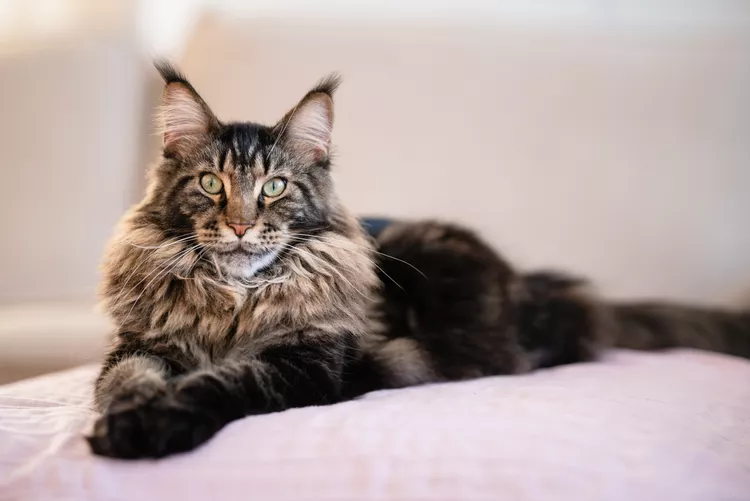
Maine Coon Cat: Breed Profile, Characteristics & Care
The Maine Coon cat is of the largest cat breeds in the world. These amiable, gentle cats make great companions. Learn about the Maine Coon cat breed's appearance, temperament, health, and care needs.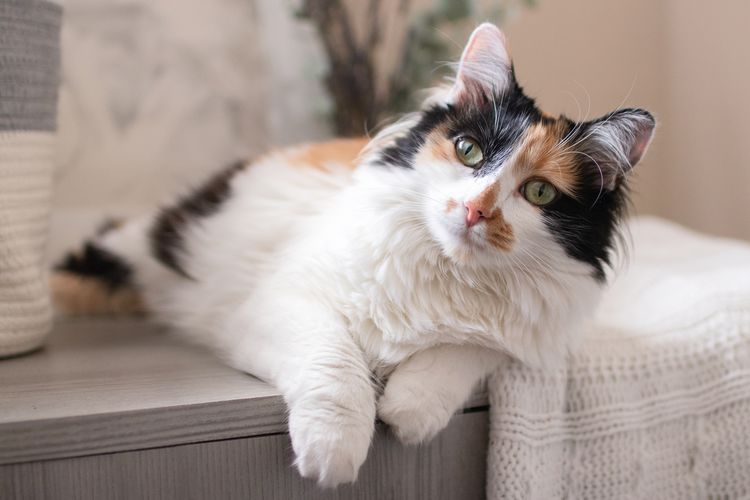
Calico Cat: Breed Profile, Characteristics & Care
Calico cats boast unique tri-color coats, and they are famous for being both spunky and sweet. Learn about the calico cat color pattern.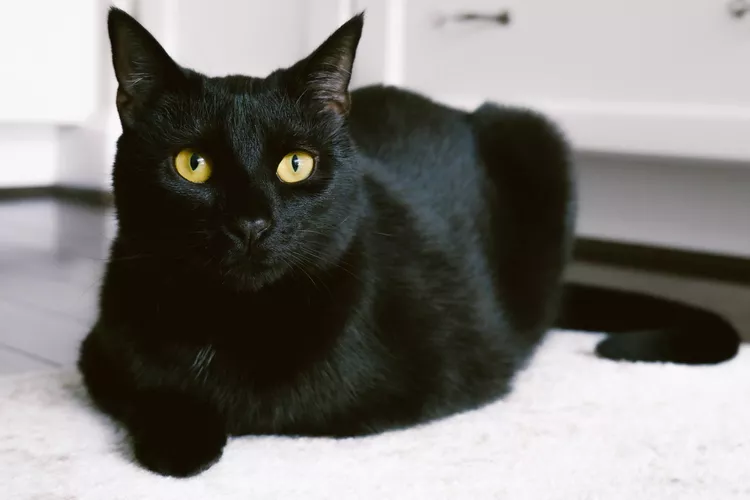
Bombay: Cat Breed Profile, Characteristics & Care
The Bombay cat, a mix of the Burmese and the American shorthair, features an all-black coat, a stocky build, and a friendly demeanor.
Barbet: Dog Breed Characteristics & Care
Learn about the barbet dog, a French hunting breed that's tough to find in the United States. It's known for its curly coat and calm demeanor.
Bichon Frise: Dog Breed Characteristics & Care
The bichon frise is a fluffy little white dog with a joyful personality. Learn more about its appearance, personality, history, care, and more.
Australian Kelpie: Dog Breed Characteristics & Care
The Australian kelpie is an intelligent, high-energy dog breed developed for herding. Learn about the Australian kelpie, including temperament, appearance, history, and care needs.
How to Teach Your Dog to Play Dead in 4 Steps
Playing dead is a fun dog trick that most dogs can pick up pretty quickly. Learn simple steps to teach your dog to play dead when you say "bang."
Different Meanings of a Dog's Wagging Tail
A dog wagging his tail is a common sight, but it may mean more than you think. Find out why dogs wag their tails and what canine tail wagging means.


