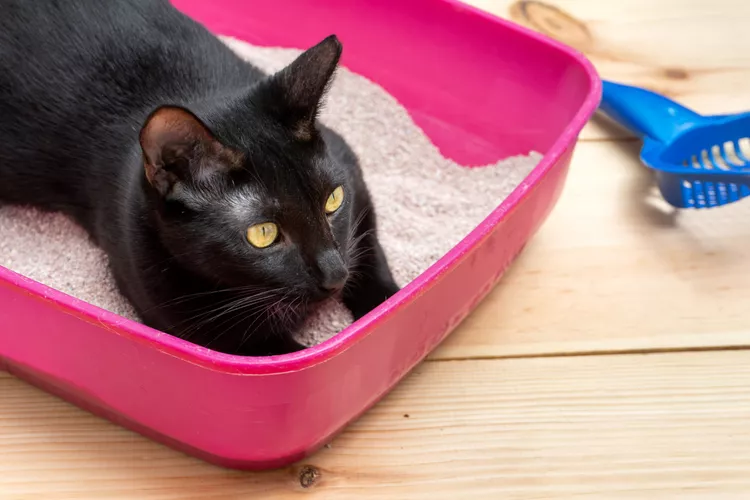
You are doing your normal scooping of the litter box and you notice drops of blood in your cat's urine, what does this mean? Blood in your cat's urine is always a concern and can be due to a variety of issues from stress to lower urinary tract disease.
Hematuria is the medical term used to describe blood in the urine. When this happens, you may notice orange or red-tinged urine or blood clots. In some cases, urine may appear normal and the bleeding can be on a microscopic level. In these cases, blood will be detected by diagnostics and laboratory analysis.
Blood in the urine is a symptom of an underlying issue and not a diagnosis. This symptom can be seen with a variety of health conditions and if noticed, your cat should see a veterinarian.
Bacterial UTIs occur much less frequently in cats than in dogs, with only one to two percent of cats suffering from UTIs in their lifetime. More commonly what cats have is Pandora Syndrome which does not in most cases have a bacterial component and treatment consists of more than just an antibiotic.
A disease of the lower urinary tract is one of the most common problems in cats. It involves inflammation and discomfort in the bladder and the urethra which is the tube leading from the bladder to the outside of the body. This goes by various names, FLUTD (Feline Lower Urinary Tract Disease) or FIC (Feline Idiopathic Cystitis, Idiopathic means the cause is unknown) as well as Pandora Syndrome.
Pandora syndrome, like the name implies, has no single cause. The underlying causes are likely due to multiple factors: among these include bladder and hormone abnormalities, obesity, environmental stressors, history of early adverse experience or severely stressful events, living with other cats, infections, urinary stones, and/or rock-hard collections of minerals formed in the urinary tract of cats which obstructs the normal flow.
Cats with Pandora syndrome most often show signs of bladder inflammation, difficulty and pain when urinating, increased frequency of urination, urinating outside of the box, and blood in the urine. Often cats who have Pandora Syndrome will have chronic urinary issues that wax and wane.
Urethral obstruction is a medical emergency that can cause a can to urinate blood. This condition is most common in male cats but can be seen in female cats as well. This is because the urethra of a male cat is much longer and much narrower than that of a female cat, and so is more susceptible to becoming blocked.
A urethral obstruction occurs when the urethra (the tube that carries urine from the bladder to the outside of the body) is blocked and the cat is unable to pee. The obstruction can be due to several causes including mucous plugs, urinary stones, urinary crystals, strictures, or tumors. An obstruction can occur develop from urethral spasms or swelling secondary to inflammation in the lower urinary tract. When this happens, it is difficult or impossible for a cat to empty the bladder, making it a life-threatening emergency. If your cat is having trouble urinating, it should be seen by a veterinarian immediately. Left untreated, the urethral obstruction can lead to kidney failure and death within 24 to 48 hours.
Although they are less common causes, hematuria can also be caused by constipation, tumors of the urinary tract, congenital abnormalities (birth defects), or injury to the urinary tract or spinal cord.
If you notice blood in your cat’s urine, it's best to contact your veterinarian immediately. At your veterinary visit, your vet will perform an exam and diagnostics to rule out the known causes of blood in urine and form a diagnosis.
These include:
Treatment for hematuria is based on the underlying cause and is tailored to the individual cat. Treatment may include pain medications, diet changes, increasing water intake, fluid therapy, anti-spasmodic medication to help the bladder relax, and stress reduction.
If your cat has a urethral obstruction, your vet will need to relieve the obstruction quickly. Your vet will need to sedate or anesthetize your cat to place a urinary catheter along with providing supportive care to address pain, nausea, and metabolic changes.
Infections are treated with antibiotics and pain medication. A prescription diet may be used to try to dissolve bladder stone over a few weeks. If the prescription diet doesn't work the stones need to be surgically removed. Diet and increased water intake can be used to address urinary crystals.
You cant always prevent blood in your cat's urine but there are factors that are known to increase the chances of your cat having blood in their urine which includes obesity, decreased water intake, and one of the most common causes, stress. Read below to find out you can help prevent hematuria.
Overall, blood in your cat’s urine can be caused by a variety of issues stemming from the bladder and urethra in cats. If you ever feel as though your cat is experiencing a urinary tract problem, especially if they are straining to urinate and seem uncomfortable, please seek veterinary attention.

Swollen Lymph Nodes in Dogs
Dogs' lymph node glands may become enlarged due to infection or disease. Learn the causes, treatment, and prevention.
What Is Spaying? All About the Procedure in Dogs
What is a spay? Should you have your dog spayed? Learn what it means to spay a dog, a procedure also known as an ovariohysterectomy.
Can Dogs Eat Popsicles?
You might be wondering can dogs eat popsicles? Certain types of frozen treats are safe for your dog, but you need to be aware of ingredients and allergies
Can Dogs Drink Milk?
Dogs can have milk, providing they are not lactose intolerant. It should really only be given in small quantities though
Can My Dog Eat Tomatoes?
You'll want to keep Fido out of your garden since the tomato plant is toxic, but you can safely offer him ripe tomatoes as a nutrient-packed treat.
Can Dogs Taste Spicy Flavors?
While dogs and humans experience some flavors differently, dogs do taste spicy flavors and in some cases, this can be harmful for them.
Should You Allow Your Indoor Cat to Go Outside?
Here are pros, cons, and safety considerations for allowing indoor cats to explore outdoors and the indoor vs outdoor cats debate, plus safety tips.
Can My Spayed Cat Still Be in Heat?
If your cat was spayed but appears to be in heat, the condition may be caused by several factors. Learn about them here.
How to Keep Cats Cool in Summer
Summertime means heat and with increased temperatures, you have an increased risk of heatstroke in cats. Find out how to prevent heatstroke and keep your cat cool in the summer.
Taurine for Cats
Taurine is an essential animal protein in your cat's diet. Learn more about the various ways it supports your feline's body.
Why Is My Cat Always Hungry and Meowing?
A cat can act like it is always hungry, and there may be a medical reason for this. Learn what behavior is normal and when to see your veterinarian.
Elf Cat: Breed Profile, Characteristics & Care
Elf cats are a new, rare cross between a sphynx and American curl with curly ears and a playful personality.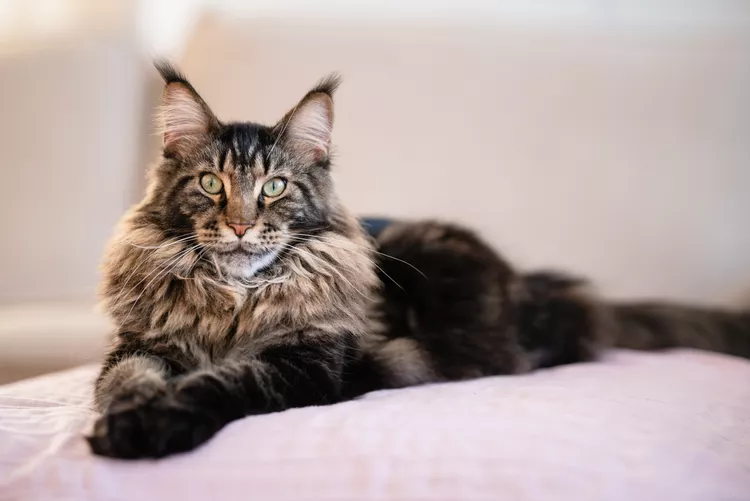
Maine Coon Cat: Breed Profile, Characteristics & Care
The Maine Coon cat is of the largest cat breeds in the world. These amiable, gentle cats make great companions. Learn about the Maine Coon cat breed's appearance, temperament, health, and care needs.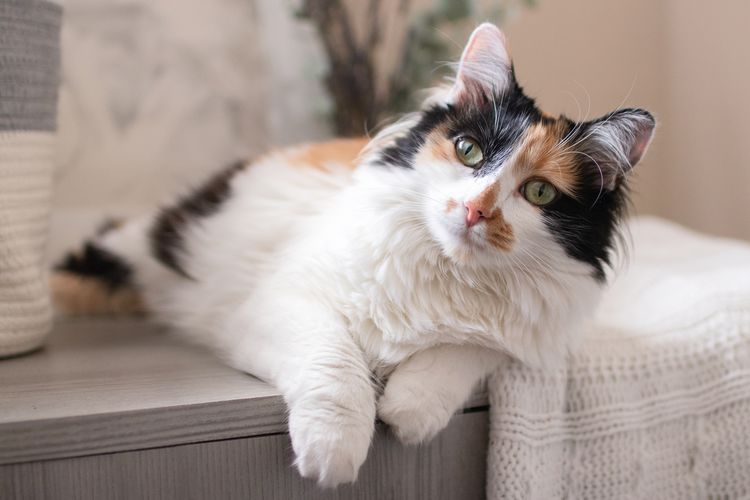
Calico Cat: Breed Profile, Characteristics & Care
Calico cats boast unique tri-color coats, and they are famous for being both spunky and sweet. Learn about the calico cat color pattern.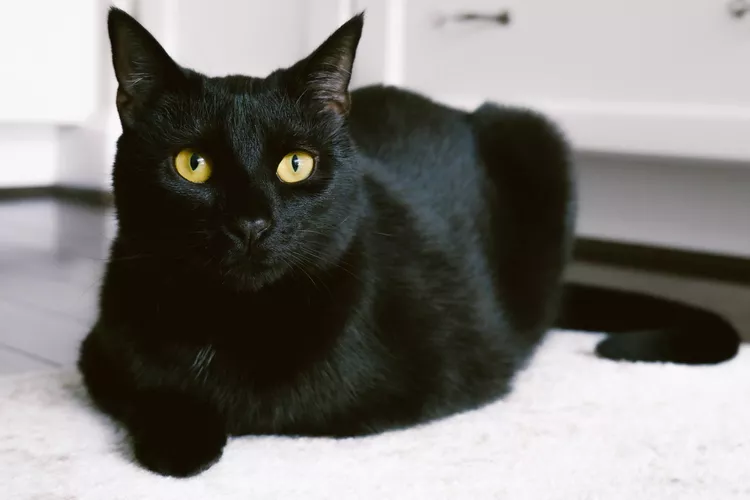
Bombay: Cat Breed Profile, Characteristics & Care
The Bombay cat, a mix of the Burmese and the American shorthair, features an all-black coat, a stocky build, and a friendly demeanor.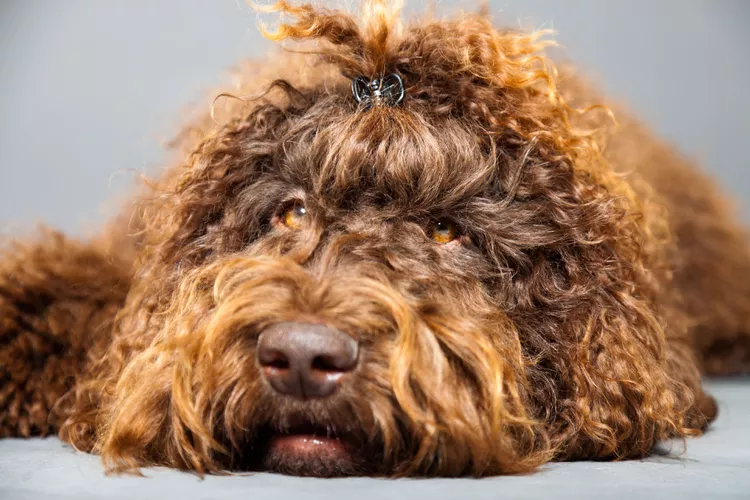
Barbet: Dog Breed Characteristics & Care
Learn about the barbet dog, a French hunting breed that's tough to find in the United States. It's known for its curly coat and calm demeanor.
Bichon Frise: Dog Breed Characteristics & Care
The bichon frise is a fluffy little white dog with a joyful personality. Learn more about its appearance, personality, history, care, and more.
Australian Kelpie: Dog Breed Characteristics & Care
The Australian kelpie is an intelligent, high-energy dog breed developed for herding. Learn about the Australian kelpie, including temperament, appearance, history, and care needs.
How to Teach Your Dog to Play Dead in 4 Steps
Playing dead is a fun dog trick that most dogs can pick up pretty quickly. Learn simple steps to teach your dog to play dead when you say "bang."
Different Meanings of a Dog's Wagging Tail
A dog wagging his tail is a common sight, but it may mean more than you think. Find out why dogs wag their tails and what canine tail wagging means.


