
Dry skin in cats can lead to flakiness, dandruff, itchiness, and general discomfort. It can also make the skin more susceptible to infection. Dry skin is symptomatic of a wide range of conditions and environmental factors, so it is essential to take your cat to the vet to receive a proper diagnosis as soon as you notice dryness. Fortunately, there are many treatments for a cat's dry skin and techniques to keep it from returning once healed. Your cat's recovery has much to do with the issue causing the dryness. For example, if an autoimmune condition is causing your cat's dry skin, treatment may not be straightforward, and the dryness might not be so easily resolved.
Dry skin is the body's response to the skin's inability to retain moisture, which creates an inflammatory response. Dry skin causes your cat to develop flaky and itchy skin, usually resulting in discomfort. Occasional, mild itchiness in any animal is normal, but dry skin and/or an underlying condition might be to blame if you notice your cat exhibiting more intense symptoms.
The symptoms of dry skin in cats range in severity and overlap with symptoms of other conditions. If you're not sure that dry skin is the cause of your cat's discomfort and suspect it could be something else altogether, consult with your vet for a proper diagnosis.
Dry, inflamed skin can be very itchy for your cat. If you notice your cat scratching or licking a spot excessively, this behavior could lead to them inevertly hurting themself which dry skin could be the root of the problem. Dermatitis conditions of various levels of intensity are usually the root cause.
Dry skin in cats commonly causes dandruff. Usually, a small amount of dandruff is benign, but if you notice it in conjunction with other symptoms, a more significant problem might be behind the flakes.
If your cat has dry skin, it may also have a few bald spots on its fur. There are a variety of conditions that cause bald spots or a patchy coat, so keep an eye out for hair abnormalities when you notice your cat scratching at its skin.
Cats with dry skin may excessively lick at their skin, trying to relieve some of the discomfort of the itch. Sometimes, the licking can exacerbate the skin problem, causing rawness, redness, and further pain.
Dry skin is typically symptomatic of another issue. Whatever the issue, it can cause flaky skin, itching, and an unkempt coat appearance. You may also notice your cat self-grooming more than usual. The key to treating dry skin is first to determine its cause.
If you notice dry skin in your cat, you should first contact your veterinarian for advice. Your vet may recommend an examination to evaluate the skin and administer the proper treatment. The recommended treatment will depend on the cause of your cat's skin issues. Remember to keep up with routine wellness examinations as instructed. Regular visits will allow your vet to detect the early signs of underlying illness causing dryness. Stay in communication with your vet about your cat's condition, and do your best to follow your vet's recommendations.
Your cat may need antibiotics, antifungals, antihistamines, anti-inflammatory drugs, special food, or supplements. Some vets recommend omega-3-fatty acid supplements for cats to improve the skin. Never give your cat home remedies or supplements without first asking your vet about the best options for your cat.
There are ways to modify your cat's environment and possibly alleviate dry skin. Keep your home clean and as dust-free as possible. You should clean washable materials with gentle, additive-free detergents. Consider getting an air purifier to reduce allergens in the air. Avoid the use of harsh chemicals and fragrances in your home.
If your cat seems to have difficulty grooming, try brushing out your cat every few days. See your vet about the underlying cause of the grooming problems, as your cat may have an illness that needs treatment. If your cat is overweight, you can manage this through diet and exercise.
Avoid bathing your cat unless necessary. When cleaning your cat, use a gentle, soap-free, oatmeal-based moisturizing shampoo.
Use an effective monthly flea control product to keep fleas at bay. Not only can fleas cause skin issues, but they can also worsen existing skin diseases.
Take steps to reduce stress in your cat's environment. Slowly introduce new pets or people to your cat, but always provide a safe place where your cat can hide. Consider using calming pheromones like Feliway spray or diffusers. Take the time to play and bond with your cat.
The success of treating cats with dry skin has much to do with the underlying cause. If, for example, your cat has chronic dry skin because of a systemic issue, the dryness may be harder to treat in the long term. The best thing you can do for your cat is to make sure they are experiencing as little pain as possible. Symptom management is achievable majority of the time with environmental and grooming changes, supplements, and prescription medications.
Preventing dry skin in cats isn't entirely possible, as there will always be environmental and health factors out of your control. Early in your cat's life, you can establish habits that promote healthy skin, such as frequent brushing and fatty acid supplements. Be proactive in your cat's skin health, but remember that you can only do so much to prevent the affliction altogether.
The ability to cure dry skin in cats is heavily dependent on the root cause of the dryness. However, in most cases, dry skin can be treated successfully, and you can minimize the symptoms of discomfort your cat is experiencing. Your vet will provide an appropriate treatment plan.
A couple of pieces of dandruff shouldn't be cause for worry, but if you notice your cat producing an excess of dandruff or shedding larger flakes of skin, pay a visit to the vet and diagnose what is causing dry skin.
There are many causes of dry skin in cats, so it's difficult to know exactly what is afflicting your cat. These causes include diet, stress, parasites, and weather. Take your cat to your vet as soon as possible for a diagnosis.

Swollen Lymph Nodes in Dogs
Dogs' lymph node glands may become enlarged due to infection or disease. Learn the causes, treatment, and prevention.
What Is Spaying? All About the Procedure in Dogs
What is a spay? Should you have your dog spayed? Learn what it means to spay a dog, a procedure also known as an ovariohysterectomy.
Can Dogs Eat Popsicles?
You might be wondering can dogs eat popsicles? Certain types of frozen treats are safe for your dog, but you need to be aware of ingredients and allergies
Can Dogs Drink Milk?
Dogs can have milk, providing they are not lactose intolerant. It should really only be given in small quantities though
Can My Dog Eat Tomatoes?
You'll want to keep Fido out of your garden since the tomato plant is toxic, but you can safely offer him ripe tomatoes as a nutrient-packed treat.
Can Dogs Taste Spicy Flavors?
While dogs and humans experience some flavors differently, dogs do taste spicy flavors and in some cases, this can be harmful for them.
Should You Allow Your Indoor Cat to Go Outside?
Here are pros, cons, and safety considerations for allowing indoor cats to explore outdoors and the indoor vs outdoor cats debate, plus safety tips.
Can My Spayed Cat Still Be in Heat?
If your cat was spayed but appears to be in heat, the condition may be caused by several factors. Learn about them here.
How to Keep Cats Cool in Summer
Summertime means heat and with increased temperatures, you have an increased risk of heatstroke in cats. Find out how to prevent heatstroke and keep your cat cool in the summer.
Taurine for Cats
Taurine is an essential animal protein in your cat's diet. Learn more about the various ways it supports your feline's body.
Why Is My Cat Always Hungry and Meowing?
A cat can act like it is always hungry, and there may be a medical reason for this. Learn what behavior is normal and when to see your veterinarian.
Elf Cat: Breed Profile, Characteristics & Care
Elf cats are a new, rare cross between a sphynx and American curl with curly ears and a playful personality.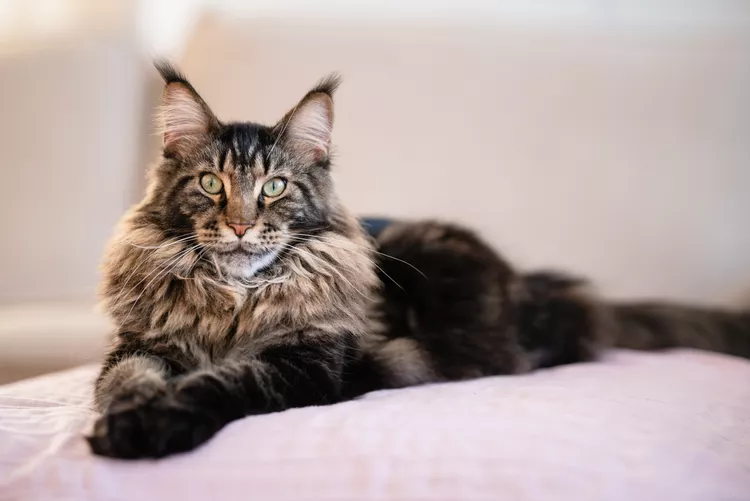
Maine Coon Cat: Breed Profile, Characteristics & Care
The Maine Coon cat is of the largest cat breeds in the world. These amiable, gentle cats make great companions. Learn about the Maine Coon cat breed's appearance, temperament, health, and care needs.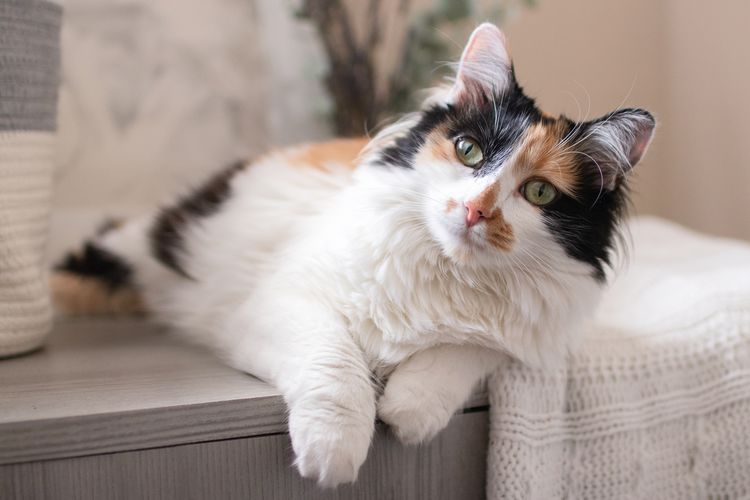
Calico Cat: Breed Profile, Characteristics & Care
Calico cats boast unique tri-color coats, and they are famous for being both spunky and sweet. Learn about the calico cat color pattern.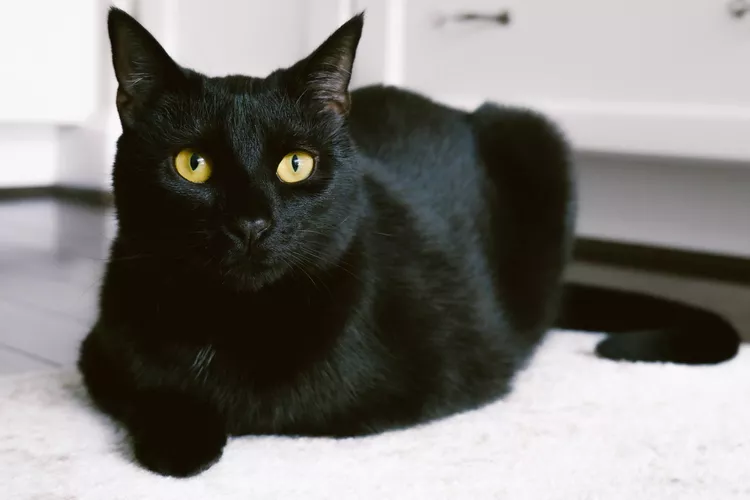
Bombay: Cat Breed Profile, Characteristics & Care
The Bombay cat, a mix of the Burmese and the American shorthair, features an all-black coat, a stocky build, and a friendly demeanor.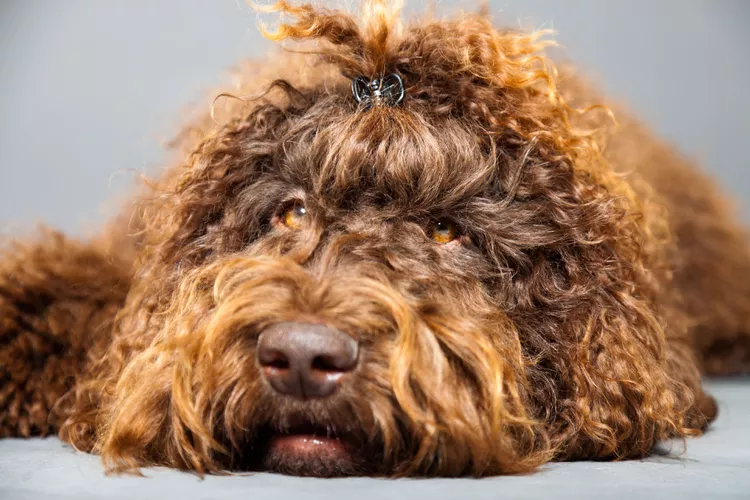
Barbet: Dog Breed Characteristics & Care
Learn about the barbet dog, a French hunting breed that's tough to find in the United States. It's known for its curly coat and calm demeanor.
Bichon Frise: Dog Breed Characteristics & Care
The bichon frise is a fluffy little white dog with a joyful personality. Learn more about its appearance, personality, history, care, and more.
Australian Kelpie: Dog Breed Characteristics & Care
The Australian kelpie is an intelligent, high-energy dog breed developed for herding. Learn about the Australian kelpie, including temperament, appearance, history, and care needs.
How to Teach Your Dog to Play Dead in 4 Steps
Playing dead is a fun dog trick that most dogs can pick up pretty quickly. Learn simple steps to teach your dog to play dead when you say "bang."
Different Meanings of a Dog's Wagging Tail
A dog wagging his tail is a common sight, but it may mean more than you think. Find out why dogs wag their tails and what canine tail wagging means.


