
Encephalitis in cats is a rare but potentially life-threatening disease that results in brain inflammation. The causes of encephalitis are not entirely clear but can be linked to various infections and autoimmune disorders. Encephalitis symptoms include seizures, behavioral changes, and pupillary abnormality. Encephalitis in cats shares symptoms with many other neurological conditions, so pay a visit to your vet for a proper diagnosis. Treatment and prognosis for encephalitis in cats depend heavily on the suspected cause of the inflammation. Cats with less severe cases can respond well to treatment, while others have irreversible brain damage.
Encephalitis is the inflammation of the brain. The condition can occur by itself but often in conjunction with other neurological illnesses such as myelitis (inflammation of the spinal cord) and meningitis (inflammation of spinal cord membranes). Encephalitis is rare in cats but can be life-threatening if it isn't treated promptly.
Encephalitis causes symptoms that overlap with many neurological conditions. If you notice your cat behaving abnormally or feeling sick, pay a visit to your vet for a definitive diagnosis.
Brain inflammation from encephalitis can lead to fever. If your cat develops a fever for any reason, visit your vet.
Encephalitis can cause seizures in cats. Seizures can consist of twitching, drooling, motionless staring, excessive swallowing, and vocalization. Episodes usually last for a few seconds to a minute.
Behavioral changes such as non-responsiveness and depression can be seen in cats with encephalitis. Any neurological illness can prompt your cat to act strangely, for example, refusing to use its litter box or altering the way it interacts with its owners.
A head tilt to either side can be symptomatic of encephalitis in cats. This could be because of the way brain inflammation is impacting your cat's spine.
Facial paralysis in a cat may indicate encephalitis. Sometimes, paralysis can affect a cat's limbs as well.
Encephalitis can affect the appearance of a cat's pupils. This can look like small, pinpoint pupils or pupils of different sizes. Your cat's eyes might also become less responsive to light.
There are several suspected causes of encephalitis in cats but no definitive explanation. Encephalitis can occur without any prior illness or pathogen exposure.
To diagnose your cat with encephalitis, your vet will perform a full physical examination, including neurological tests such as an EEG (electroencephalography). Physical and neurological tests will often be accompanied by blood work, urinalysis, and a sample collection of your cat's cerebrospinal fluid. A blood test will help your vet identify bacterial or viral infections that may be contributing to the cause of encephalitis. Your vet will also examine possible non-inflammatory causes for your cat's seizures and explore an epilepsy diagnosis.
Your vet's first priority will be to decrease the swelling in your cat's brain and stop any seizures. Once your cat has been diagnosed with encephalitis, your vet will likely prescribe an antibiotic, antiviral, anticonvulsant, or antifungal depending on the suspected cause of the inflammation. If your cat tests negative for all infectious diseases, your vet may prescribe medications to suppress its immune system. This treatment will usually last between three and six months and can involve chemotherapy.
The prognosis and speed of recovery from encephalitis will depend on what's causing your cat's inflammation and the severity of its condition. Sometimes, brain inflammation can cause irreversible damage to a cat's nervous system.
The only way to prevent encephalitis in cats is to limit your cat's exposure to infections that may contribute to the development of the disease.
Encephalitis can cause seizures in cats, but visit your vet to rule out other seizure-causing neurological conditions. You may find that your cat has an epilepsy disorder without encephalitis.
Depending on the cause of your cat's encephalitis, treatment can be successful. Severe cases are much harder to treat.
To diagnose your cat with encephalitis, your vet may need to run tests such as an MRI, CT scan, EEG, urinalysis, blood work, and spinal fluid extraction.

Swollen Lymph Nodes in Dogs
Dogs' lymph node glands may become enlarged due to infection or disease. Learn the causes, treatment, and prevention.
What Is Spaying? All About the Procedure in Dogs
What is a spay? Should you have your dog spayed? Learn what it means to spay a dog, a procedure also known as an ovariohysterectomy.
Can Dogs Eat Popsicles?
You might be wondering can dogs eat popsicles? Certain types of frozen treats are safe for your dog, but you need to be aware of ingredients and allergies
Can Dogs Drink Milk?
Dogs can have milk, providing they are not lactose intolerant. It should really only be given in small quantities though
Can My Dog Eat Tomatoes?
You'll want to keep Fido out of your garden since the tomato plant is toxic, but you can safely offer him ripe tomatoes as a nutrient-packed treat.
Can Dogs Taste Spicy Flavors?
While dogs and humans experience some flavors differently, dogs do taste spicy flavors and in some cases, this can be harmful for them.
Should You Allow Your Indoor Cat to Go Outside?
Here are pros, cons, and safety considerations for allowing indoor cats to explore outdoors and the indoor vs outdoor cats debate, plus safety tips.
Can My Spayed Cat Still Be in Heat?
If your cat was spayed but appears to be in heat, the condition may be caused by several factors. Learn about them here.
How to Keep Cats Cool in Summer
Summertime means heat and with increased temperatures, you have an increased risk of heatstroke in cats. Find out how to prevent heatstroke and keep your cat cool in the summer.
Taurine for Cats
Taurine is an essential animal protein in your cat's diet. Learn more about the various ways it supports your feline's body.
Why Is My Cat Always Hungry and Meowing?
A cat can act like it is always hungry, and there may be a medical reason for this. Learn what behavior is normal and when to see your veterinarian.
Elf Cat: Breed Profile, Characteristics & Care
Elf cats are a new, rare cross between a sphynx and American curl with curly ears and a playful personality.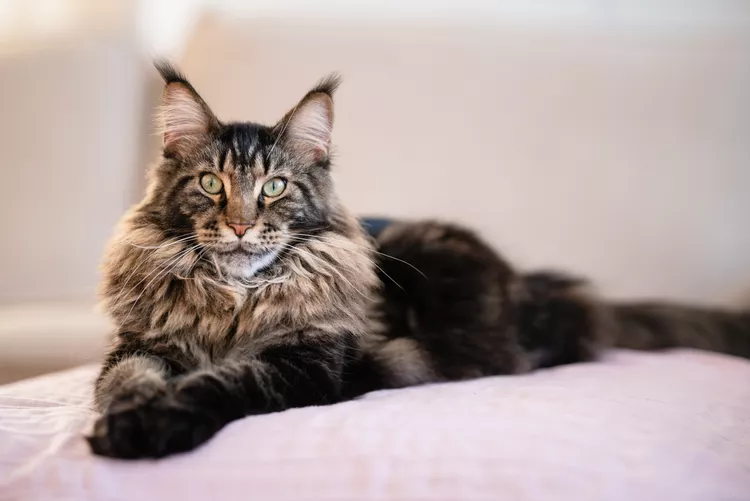
Maine Coon Cat: Breed Profile, Characteristics & Care
The Maine Coon cat is of the largest cat breeds in the world. These amiable, gentle cats make great companions. Learn about the Maine Coon cat breed's appearance, temperament, health, and care needs.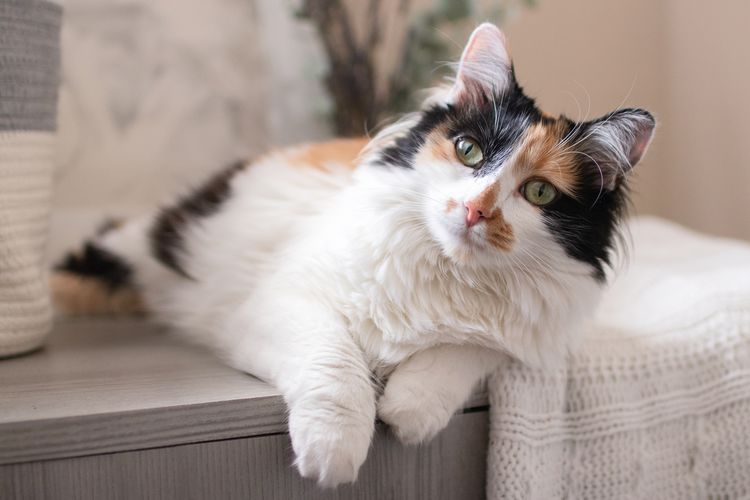
Calico Cat: Breed Profile, Characteristics & Care
Calico cats boast unique tri-color coats, and they are famous for being both spunky and sweet. Learn about the calico cat color pattern.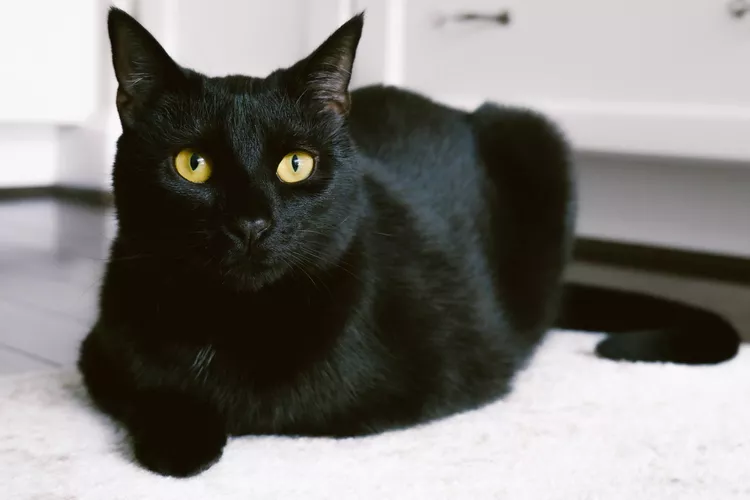
Bombay: Cat Breed Profile, Characteristics & Care
The Bombay cat, a mix of the Burmese and the American shorthair, features an all-black coat, a stocky build, and a friendly demeanor.
Barbet: Dog Breed Characteristics & Care
Learn about the barbet dog, a French hunting breed that's tough to find in the United States. It's known for its curly coat and calm demeanor.
Bichon Frise: Dog Breed Characteristics & Care
The bichon frise is a fluffy little white dog with a joyful personality. Learn more about its appearance, personality, history, care, and more.
Australian Kelpie: Dog Breed Characteristics & Care
The Australian kelpie is an intelligent, high-energy dog breed developed for herding. Learn about the Australian kelpie, including temperament, appearance, history, and care needs.
How to Teach Your Dog to Play Dead in 4 Steps
Playing dead is a fun dog trick that most dogs can pick up pretty quickly. Learn simple steps to teach your dog to play dead when you say "bang."
Different Meanings of a Dog's Wagging Tail
A dog wagging his tail is a common sight, but it may mean more than you think. Find out why dogs wag their tails and what canine tail wagging means.


