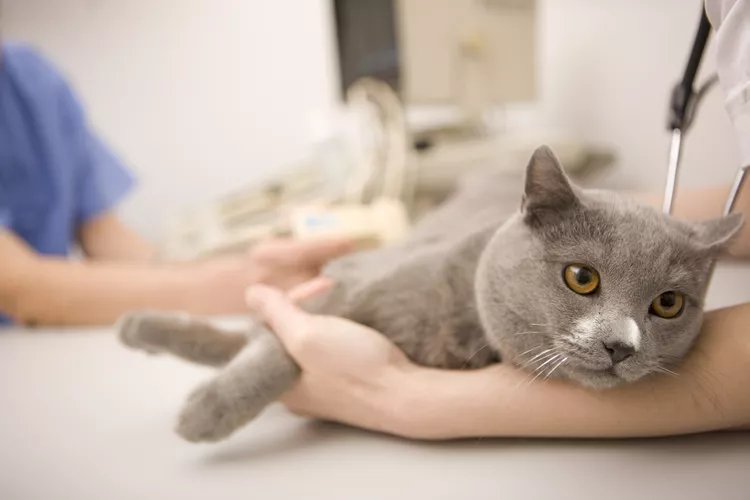
Expressing your cat's anal glands may need to be a routine practice especially if your veterinarian has recommended regular anal gland expressions for your cat. You can learn to perform the procedure at home (assuming your cat is cooperative) and save some money.
A cat's anal glands naturally express a scent-marking liquid when they defecate. Sometimes an impaction may occur that prevents the fluid from escaping and may need your help with their anal glands. This impaction can be painful for your cat and lead to further problems like infections.
It's not the most enjoyable experience for you or the cat, and it can be messy, so there's no need to be embarrassed if you decide to leave this job to the professionals.
It is important to understand the function of anal glands (also known as anal sacs) in cats. They are small structures located on both sides of the anus at roughly the 5 and 7 o'clock positions. Tiny ducts beneath the skin lead to openings next to the anus.
In cats, the glands' purpose is to leave a powerful territorial scent message via anal sac secretions that are applied to feces. A cat's healthy, firm feces "milk" the anal glands while passing through the anus. Cats may also spontaneously express anal sac secretions when excited or frightened.
Unfortunately, some health problems prevent this normal process from occurring. For example, obesity, chronically soft stools due to a poor diet, or gastrointestinal disorders may hinder the normal stimulus for anal gland expression. Weight loss and/or increasing fecal bulk and firmness (with a high-fiber diet or supplement, for example) may help, but manually expressing the gland can also be necessary to prevent anal gland problems such as impaction and infection.
Signs that you may need to express the glands manually include redness in the area and the cat scooting around or licking excessively.
Do not express your cat's anal glands without first consulting with your veterinarian. Problems such as anal gland infections and tumors require additional treatment.
You will likely need the help of another person to hold the cat while you perform the procedure. Have them hold the cat from the front (so it's facing away from you) with a reassuring touch.
Be sure that both of you remain calm and talk softly to your cat to reduce as much stress as possible. Offering treats as a distraction will help as well.
Hold the cat's tail up. Locate the anal glands at roughly the 5 and 7 o'clock positions on either side of the anal opening. When full, they tend to feel like soft but firm peas or jelly beans.
Using either the index fingers of both hands or the thumb and index finger of one hand, place your fingers on the outside bottom of the sacs. Gently press inward and upward at the same time until the gland releases its contents and is empty. Repeat on the other side.
Clean the anal area with moist wipes or a damp paper towel. Give the cat a final treat and release it. Remove the surgical gloves, wrap them up along with the used moist wipes in the newspaper, and discard them. Give your partner a high-five and celebrate!
If you were not successful, make an appointment with your veterinarian to have them express your cat's anal glands. When you go into the office, ask the vet to coach you on the procedure so you can try again the next time it's needed. Be sure to get a few tips on restraining and distracting your cat as well.
Your veterinarian can also check for evidence of anal gland disease, including:
Cats with recurrent anal sac impactions or inflammation may be treated with surgical removal of the anal sac. Anal gland tumors, which are not common, will also be treated by removal of the whole sac.

Swollen Lymph Nodes in Dogs
Dogs' lymph node glands may become enlarged due to infection or disease. Learn the causes, treatment, and prevention.
What Is Spaying? All About the Procedure in Dogs
What is a spay? Should you have your dog spayed? Learn what it means to spay a dog, a procedure also known as an ovariohysterectomy.
Can Dogs Eat Popsicles?
You might be wondering can dogs eat popsicles? Certain types of frozen treats are safe for your dog, but you need to be aware of ingredients and allergies
Can Dogs Drink Milk?
Dogs can have milk, providing they are not lactose intolerant. It should really only be given in small quantities though
Can My Dog Eat Tomatoes?
You'll want to keep Fido out of your garden since the tomato plant is toxic, but you can safely offer him ripe tomatoes as a nutrient-packed treat.
Can Dogs Taste Spicy Flavors?
While dogs and humans experience some flavors differently, dogs do taste spicy flavors and in some cases, this can be harmful for them.
Should You Allow Your Indoor Cat to Go Outside?
Here are pros, cons, and safety considerations for allowing indoor cats to explore outdoors and the indoor vs outdoor cats debate, plus safety tips.
Can My Spayed Cat Still Be in Heat?
If your cat was spayed but appears to be in heat, the condition may be caused by several factors. Learn about them here.
How to Keep Cats Cool in Summer
Summertime means heat and with increased temperatures, you have an increased risk of heatstroke in cats. Find out how to prevent heatstroke and keep your cat cool in the summer.
Taurine for Cats
Taurine is an essential animal protein in your cat's diet. Learn more about the various ways it supports your feline's body.
Why Is My Cat Always Hungry and Meowing?
A cat can act like it is always hungry, and there may be a medical reason for this. Learn what behavior is normal and when to see your veterinarian.
Elf Cat: Breed Profile, Characteristics & Care
Elf cats are a new, rare cross between a sphynx and American curl with curly ears and a playful personality.
Maine Coon Cat: Breed Profile, Characteristics & Care
The Maine Coon cat is of the largest cat breeds in the world. These amiable, gentle cats make great companions. Learn about the Maine Coon cat breed's appearance, temperament, health, and care needs.
Calico Cat: Breed Profile, Characteristics & Care
Calico cats boast unique tri-color coats, and they are famous for being both spunky and sweet. Learn about the calico cat color pattern.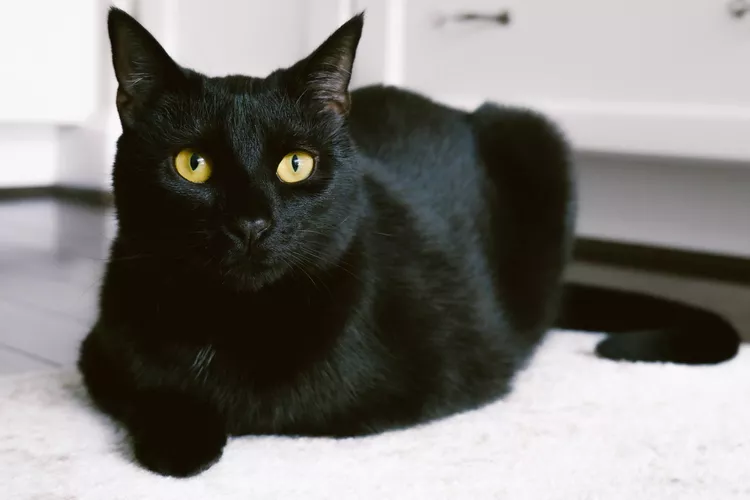
Bombay: Cat Breed Profile, Characteristics & Care
The Bombay cat, a mix of the Burmese and the American shorthair, features an all-black coat, a stocky build, and a friendly demeanor.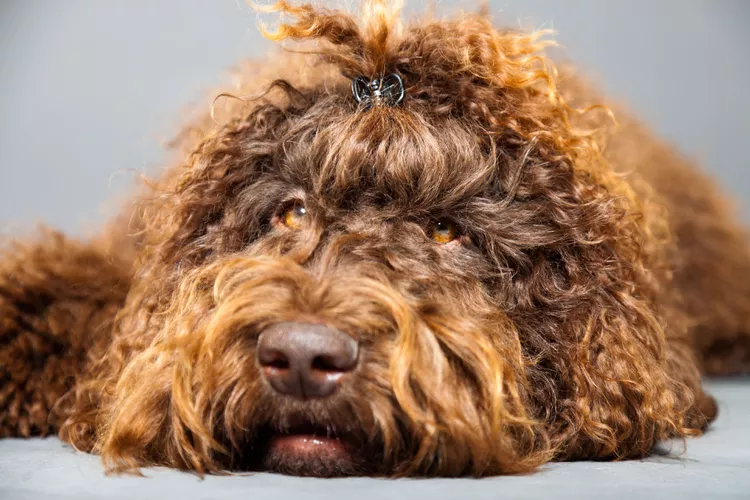
Barbet: Dog Breed Characteristics & Care
Learn about the barbet dog, a French hunting breed that's tough to find in the United States. It's known for its curly coat and calm demeanor.
Bichon Frise: Dog Breed Characteristics & Care
The bichon frise is a fluffy little white dog with a joyful personality. Learn more about its appearance, personality, history, care, and more.
Australian Kelpie: Dog Breed Characteristics & Care
The Australian kelpie is an intelligent, high-energy dog breed developed for herding. Learn about the Australian kelpie, including temperament, appearance, history, and care needs.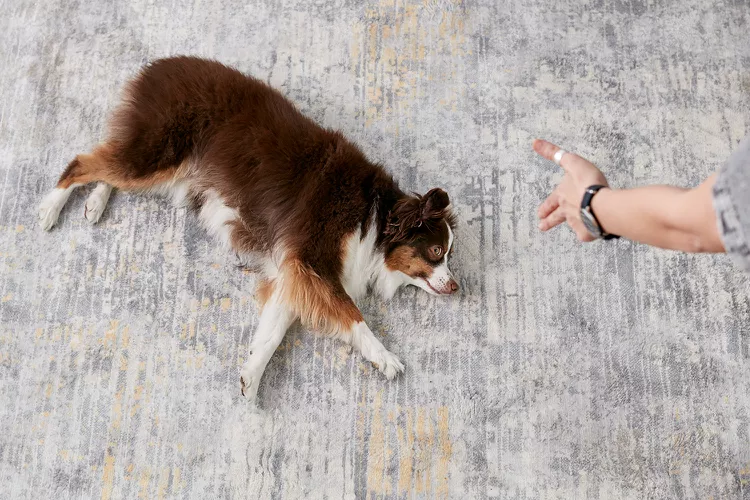
How to Teach Your Dog to Play Dead in 4 Steps
Playing dead is a fun dog trick that most dogs can pick up pretty quickly. Learn simple steps to teach your dog to play dead when you say "bang."
Different Meanings of a Dog's Wagging Tail
A dog wagging his tail is a common sight, but it may mean more than you think. Find out why dogs wag their tails and what canine tail wagging means.


