Hip dysplasia is an orthopedic condition of the hip joint that, though uncommon, can affect cats. It results from abnormal development of one or both hip joints and causes instability and degeneration of the joints. Cats don't always exhibit clear signs of hip dysplasia, but symptoms such as limping, avoiding exercise, and irritability may point to a diagnosis. Hip dysplasia in cats is mainly hereditary but can sometimes be caused by obesity. Large purebred cats such as Maine coon and Himalayan cats are more likely to develop hip dysplasia than mixed breed cats. Treatment typically involves medications to manage pain and inflammation. If detected and treated early, you can expect a full recovery.
Hip dysplasia is a degenerative disease that causes a malformation of the ball-and-socket joint in the hip, leading to pain and stiffness. Cats with hip dysplasia will likely develop osteoarthritis if the disease progresses.
A normal, functioning hip joint consists of a rounded femoral head that sits in a socket-like structure called the acetabulum. The joint can operate smoothly with the assistance of cartilage, joint fluid, and muscles. But when a cat has hip dysplasia, the femoral head develops an irregular shape and does not sit properly within the socket. The joint becomes unstable, causing pain, inflammation, and stiffness. The poorly-fitting joint may eventually erode the cartilage, causing the bones to rub together.
It is common for cats to show no signs of illness in the early stages of hip dysplasia, and cats with mild to moderate disease may never exhibit symptoms. Your vet may discover signs of hip dysplasia during a routine wellness exam or when taking x-rays for an unrelated reason.
The signs of hip dysplasia may be similar to other injuries. If you see these or any other signs of illness in your cat, contact your vet for an appointment.
Symptoms may include:
The pain, inflammation, and stiffness caused by your cat's unstable joint may lead to lameness or limping. If untreated, this will likely get worse over time. If you notice changes in your cat's mobility, consult a vet.
In addition to lameness and limping, hip dysplasia can affect your cat's ability to exercise, impacting movements like jumping, running, and climbing.
If your cat has hip dysplasia, it might be experiencing lethargy and irritability due to the pain of the condition. If you notice a change in your cat's mood, consider physical discomfort a potential cause.
Your cat's poorly-fitting joint may lead to stiffness. The stiffness may be especially noticeable when your cat gets up or lies down.
Muscle loss in your cat's hips or thighs may be symptomatic of hip dysplasia. Conversely, enlarged shoulder muscles can also be a sign of hip dysplasia, as your cat is relying more on the top half of its body to avoid painful use of the hips and compensate for the muscle loss.
Hip dysplasia is believed to be a hereditary disease in cats, but a couple of factors can be linked to the development of the condition.
Your cat's weight can contribute to the development of hip dysplasia, as excess weight increases the amount of pressure put on a cat's hips, eventually leading to joint distress.
If your cat has been injured in the past, such as having been hit by a car, the strength of its hips may be compromised, making the development of a joint condition more likely.
If you suspect your cat has hip dysplasia, it's best to visit your vet to confirm the issue. After observing symptoms of hip dysplasia in your cat, your vet can give a formal diagnosis following an x-ray of the affected joint.
Your vet will diagnose your cat's hip dysplasia through a physical examination and x-rays. Treatment considerations are made based on the severity of the x-ray results and your cat's symptoms.
Hip dysplasia in cats is typically first treated conservatively. This treatment generally includes medications to manage pain and inflammation and possible changes in activity levels. If the conservative approach is not enough, your vet will talk to you about surgical treatment for your cat.
The most common surgery is called a femoral head and neck excision. During this surgery, the vet removes the deformed head and neck of the femur. In time, your cat's muscles rebuild and form a new, false joint. After recovery, most cats will live a happy, normal life.
In rare cases, your vet may consider a total hip replacement. This surgery involves the replacement of the hip joint with a special synthetic hip called a micro-THR.
If detected early and treated swiftly, you can limit the residual effects of hip dysplasia in your cat. As the impact of the condition progresses, symptoms will appear gradually and continue to worsen over time if unnoticed or untreated. For example, osteoarthritis typically occurs secondary to hip dysplasia, making the pain, inflammation, and stiffness worse. Severe hip dysplasia often requires surgery, but usually, treatment will fully rehabilitate your cat. If surgery isn't suitable for your cat, your vet may prescribe anti-inflammatory medication or physical therapies.
Because it is hereditary, hip dysplasia in cats cannot be completely prevented. But you may be able to catch the condition early and slow its progression. If your cat is not genetically predisposed to hip dysplasia, the best preventative measure is to make sure that your cat is a healthy weight and exercises its muscles frequently. Contact your vet when you first notice ongoing lameness, pain, or stiffness.
Future cases of hip dysplasia can be prevented by cat breeders in that a cat with hip dysplasia can be spayed or neutered to discontinue the genetic passage of the condition. Cats with hip dysplasia should not be used for breeding.
If you notice a change in your cat's mobility, such as lameness, limping, or an intolerance to exercise, consider hip dysplasia as a possible cause.
Hip dysplasia in cats is usually hereditary and is mainly presents in large purebred cats, like Maine coons. A cat that does not have a genetic predisposition to hip dysplasia may still develop the condition through obesity.
Hip dysplasia in cats is typically first treated non-surgically with pain-managing medication and lifestyle adjustments. If this isn't enough, your vet may suggest joint surgery.
Swollen Lymph Nodes in Dogs
Dogs' lymph node glands may become enlarged due to infection or disease. Learn the causes, treatment, and prevention.
What Is Spaying? All About the Procedure in Dogs
What is a spay? Should you have your dog spayed? Learn what it means to spay a dog, a procedure also known as an ovariohysterectomy.
Can Dogs Eat Popsicles?
You might be wondering can dogs eat popsicles? Certain types of frozen treats are safe for your dog, but you need to be aware of ingredients and allergies
Can Dogs Drink Milk?
Dogs can have milk, providing they are not lactose intolerant. It should really only be given in small quantities though
Can My Dog Eat Tomatoes?
You'll want to keep Fido out of your garden since the tomato plant is toxic, but you can safely offer him ripe tomatoes as a nutrient-packed treat.
Can Dogs Taste Spicy Flavors?
While dogs and humans experience some flavors differently, dogs do taste spicy flavors and in some cases, this can be harmful for them.
Should You Allow Your Indoor Cat to Go Outside?
Here are pros, cons, and safety considerations for allowing indoor cats to explore outdoors and the indoor vs outdoor cats debate, plus safety tips.
Can My Spayed Cat Still Be in Heat?
If your cat was spayed but appears to be in heat, the condition may be caused by several factors. Learn about them here.
How to Keep Cats Cool in Summer
Summertime means heat and with increased temperatures, you have an increased risk of heatstroke in cats. Find out how to prevent heatstroke and keep your cat cool in the summer.
Taurine for Cats
Taurine is an essential animal protein in your cat's diet. Learn more about the various ways it supports your feline's body.
Why Is My Cat Always Hungry and Meowing?
A cat can act like it is always hungry, and there may be a medical reason for this. Learn what behavior is normal and when to see your veterinarian.
Elf Cat: Breed Profile, Characteristics & Care
Elf cats are a new, rare cross between a sphynx and American curl with curly ears and a playful personality.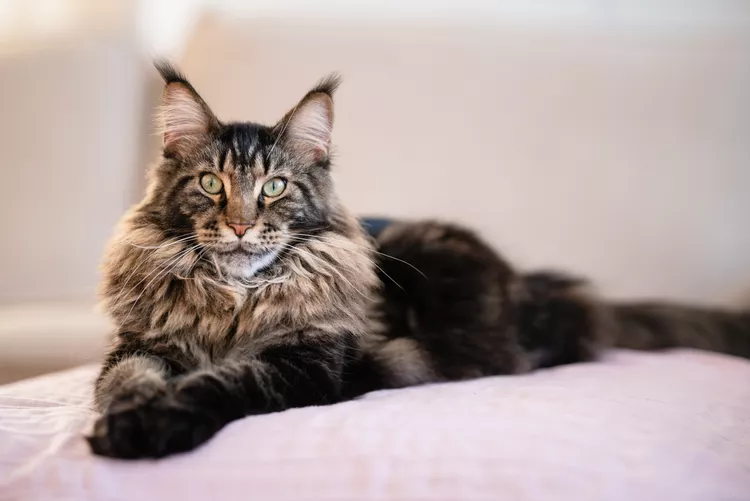
Maine Coon Cat: Breed Profile, Characteristics & Care
The Maine Coon cat is of the largest cat breeds in the world. These amiable, gentle cats make great companions. Learn about the Maine Coon cat breed's appearance, temperament, health, and care needs.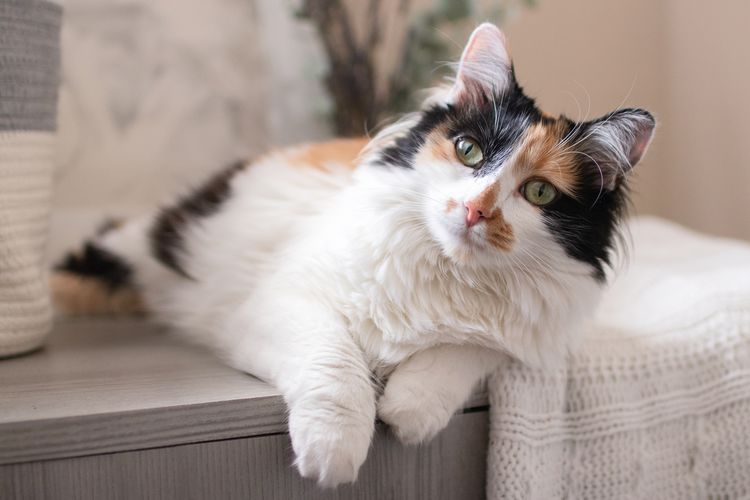
Calico Cat: Breed Profile, Characteristics & Care
Calico cats boast unique tri-color coats, and they are famous for being both spunky and sweet. Learn about the calico cat color pattern.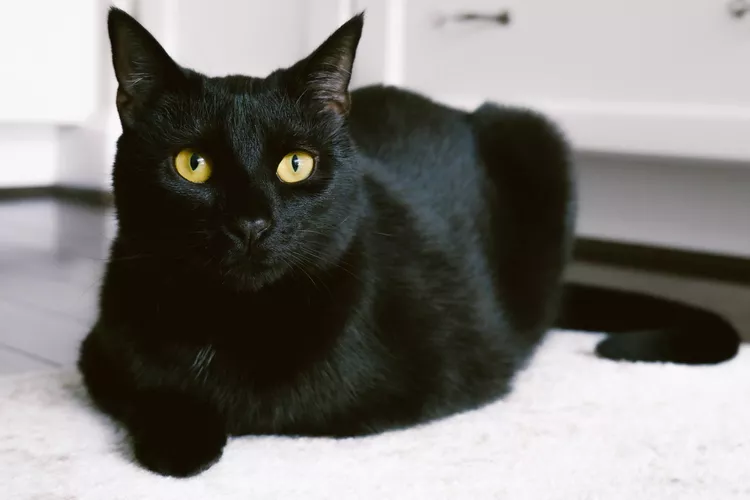
Bombay: Cat Breed Profile, Characteristics & Care
The Bombay cat, a mix of the Burmese and the American shorthair, features an all-black coat, a stocky build, and a friendly demeanor.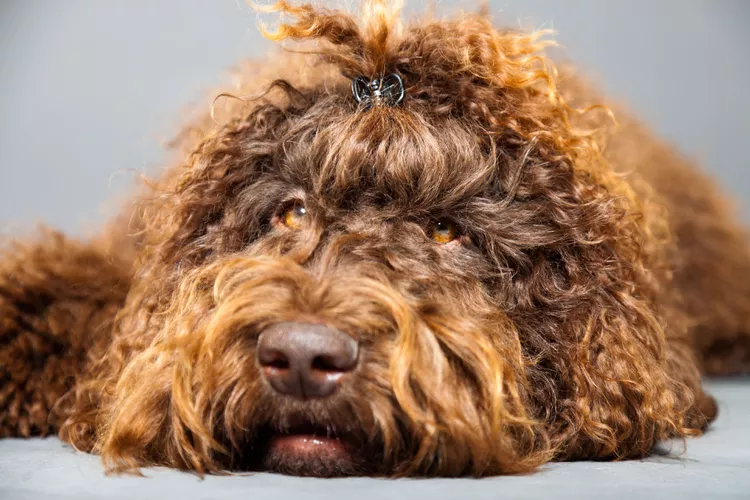
Barbet: Dog Breed Characteristics & Care
Learn about the barbet dog, a French hunting breed that's tough to find in the United States. It's known for its curly coat and calm demeanor.
Bichon Frise: Dog Breed Characteristics & Care
The bichon frise is a fluffy little white dog with a joyful personality. Learn more about its appearance, personality, history, care, and more.
Australian Kelpie: Dog Breed Characteristics & Care
The Australian kelpie is an intelligent, high-energy dog breed developed for herding. Learn about the Australian kelpie, including temperament, appearance, history, and care needs.
How to Teach Your Dog to Play Dead in 4 Steps
Playing dead is a fun dog trick that most dogs can pick up pretty quickly. Learn simple steps to teach your dog to play dead when you say "bang."
Different Meanings of a Dog's Wagging Tail
A dog wagging his tail is a common sight, but it may mean more than you think. Find out why dogs wag their tails and what canine tail wagging means.


