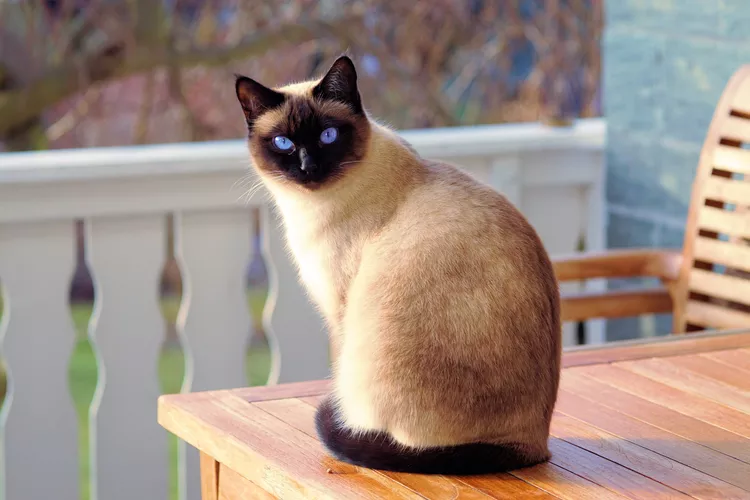
Megaesophagus is a condition that can occur in cats of all ages and breeds, either as an acquired disease or a condition they are born with. Siamese and Abyssian cats may be prone to an inherited form of megaesophagus. Cats with megaesophagus can’t swallow their food properly, and the most common symptom they’ll show is regurgitation. Alternatively, they'll spit up undigested food before it gets to the stomach. Megaesophagus is not a contagious condition. It may be caused by an underlying disease process, genetic abnormality, nerve damage, trauma, or toxins. In some cases, the cause is unknown. Megaesophagus generally requires lifelong treatment, including special feeding methods and medications, to ensure cats receive proper nutrition and avoid medical complications. Some types of megaesophagus may be treated surgically, but it is likely cats will still need lifelong care and monitoring.
Megaesophagus develops in cats when the esophagus—the muscular tube in the throat that connects the mouth to the stomach—is unable to move food properly down into the stomach. In this condition, the muscles in the esophagus do not contract normally, and the esophagus becomes enlarged, weak, and flaccid. The inability of the muscles to contract normally is a problem called dysmotility or hypomotility. Food may pool in the esophagus and cats will regurgitate undigested food back up shortly after trying to eat.
Depending on the underlying cause, symptoms of megaesophagus may be present in kittens, or may develop later in cats of any age. In cases where an animal is regurgitating food and water, megaesophagus should be highly suspected as a potential cause.
Regurgitation is the most common symptom of megaesophagus. Regurgitation can look similar to vomiting, and it is important to try to distinguish between the two. Regurgitation is a passive process, where a cat may appear to spit up food or water with little effort after eating or drinking. Regurgitation may occur within minutes of eating or a few hours later. By contrast, vomiting is an active process involving abdominal muscle contractions, which may be prolonged, before food or liquid is brought up from the stomach. Vomited food may be semi-digested. Cats about to vomit may become restless, lick their lips repeatedly, and make gagging sounds, but these actions are not associated with regurgitation.
Because food can’t move normally down the throat when megaesophagus is present, cats will have difficulty swallowing food and water. Cats may repeatedly attempt to swallow and food may drop out of their mouths when they are trying to eat. Some cats may also become distressed while eating.
Cats with megaesophagus are at high risk of aspiration pneumonia, which may present as a cough, trouble breathing, lethargy, fever and/or an unusually fast respiratory rate. Aspiration pneumonia occurs when regurgitation causes food or water to be inadvertently inhaled into the respiratory tract. This causes inflammation and infection in the lungs and can lead to a serious, life-threatening pneumonia.
Cats are unable to swallow their saliva and may show symptoms of excessive drooling and constant wet fur and skin around the mouth, neck, and chest.
Megaesophagus prevents the normal digestion of food, since food can’t reach the stomach to be broken down and used by the cat’s body for nutrients. As a result, cats with megaesophagus become malnourished and start losing weight. They may have poor body condition, ungroomed fur, and low energy as well.
Kittens with congenital megaesophagus–which means the condition is present from birth–will fail to gain weight normally compared to other kittens of the same age. They may appear smaller than other littermates, or may be weak and thin.
Nasal discharge may be present if infection or inflammation in the sinuses occurs. This may be due to regurgitation leading to respiratory infections and pneumonia, as well as their overall poor health making them more susceptible to infectious diseases. Cats may sneeze, cough, and/or have persistent nasal discharge.
Cats with aspiration pneumonia may have a fever due to the infection. Symptoms of a fever include low energy, not wanting to move or interact, loss of appetite, and hiding.
Food may collect in the esophagus, causing a distended or swollen appearance in the neck. This is only rarely observed and would be most evident in the lower portion of the neck close to where it meets the shoulder, known as the thoracic inlet.
Megaesophagus is caused by either congenital or acquired conditions. Congenital conditions are present at birth, may be inherited, and are usually present in young kittens. These conditions often become most evident when kittens are weaned and start eating solid food.
Acquired conditions most often develop later in juvenile and adult cats. Megaesophagus can also be idiopathic, which means the condition arises but the cause is not known.
Causes include:
If your cat is showing symptoms of megaesophagus, your veterinarian will perform a complete physical examination and conduct additional tests to determine if an underlying cause can be identified. These tests include:
If the underlying cause of the megaesophagus can be identified, it should be treated. Depending on the cause, specific treatment may involve medication or surgery to correct the condition. For example, abnormal blood vessels that constrict the esophagus, called vascular ring anomalies, can be treated with surgery. Regardless of the underlying cause, most cats will likely need lifelong support to deal with the symptoms of megaesophagus.
Treatment of megaesophagus, whether the cause is known or unknown, requires supportive care to help cats eat and reduce the risk of complications like aspiration pneumonia. Cats must be fed multiple, small meals of a high-calorie gruel. Food bowls must be elevated so cats stand on their hind feet while eating. This position uses the assistance of gravity to help move food down into the stomach. Cats must remain in an elevated position for 30 minutes after feeding. You can accomplish this by holding your cat upright in your arms or over your shoulder, or carrying your cat in a sling.
Your veterinarian may also prescribe medications that increase the movement of the esophagus, antibiotics to treat infections, and antacids if inflammation is present in the esophagus.
The prognosis for megaesophagus depends on the underlying condition and whether it is treatable. Complications like aspiration pneumonia, dehydration, and malnutrition worsen the prognosis. Some forms of congenital megaesophagus may improve with age, but idiopathic megaesophagus generally has a poor prognosis, particularly if there are associated complications. If the underlying cause can be treated and cured, symptoms of megaesophagus can resolve. In other cases, megaesophagus in cats may be progressive, leading to early deaths.
Most causes of megaesophagus cannot be prevented, but some actions can be taken to avoid some forms of megaesophagus in cats.
Swollen Lymph Nodes in Dogs
Dogs' lymph node glands may become enlarged due to infection or disease. Learn the causes, treatment, and prevention.
What Is Spaying? All About the Procedure in Dogs
What is a spay? Should you have your dog spayed? Learn what it means to spay a dog, a procedure also known as an ovariohysterectomy.
Can Dogs Eat Popsicles?
You might be wondering can dogs eat popsicles? Certain types of frozen treats are safe for your dog, but you need to be aware of ingredients and allergies
Can Dogs Drink Milk?
Dogs can have milk, providing they are not lactose intolerant. It should really only be given in small quantities though
Can My Dog Eat Tomatoes?
You'll want to keep Fido out of your garden since the tomato plant is toxic, but you can safely offer him ripe tomatoes as a nutrient-packed treat.
Can Dogs Taste Spicy Flavors?
While dogs and humans experience some flavors differently, dogs do taste spicy flavors and in some cases, this can be harmful for them.
Should You Allow Your Indoor Cat to Go Outside?
Here are pros, cons, and safety considerations for allowing indoor cats to explore outdoors and the indoor vs outdoor cats debate, plus safety tips.
Can My Spayed Cat Still Be in Heat?
If your cat was spayed but appears to be in heat, the condition may be caused by several factors. Learn about them here.
How to Keep Cats Cool in Summer
Summertime means heat and with increased temperatures, you have an increased risk of heatstroke in cats. Find out how to prevent heatstroke and keep your cat cool in the summer.
Taurine for Cats
Taurine is an essential animal protein in your cat's diet. Learn more about the various ways it supports your feline's body.
Why Is My Cat Always Hungry and Meowing?
A cat can act like it is always hungry, and there may be a medical reason for this. Learn what behavior is normal and when to see your veterinarian.
Elf Cat: Breed Profile, Characteristics & Care
Elf cats are a new, rare cross between a sphynx and American curl with curly ears and a playful personality.
Maine Coon Cat: Breed Profile, Characteristics & Care
The Maine Coon cat is of the largest cat breeds in the world. These amiable, gentle cats make great companions. Learn about the Maine Coon cat breed's appearance, temperament, health, and care needs.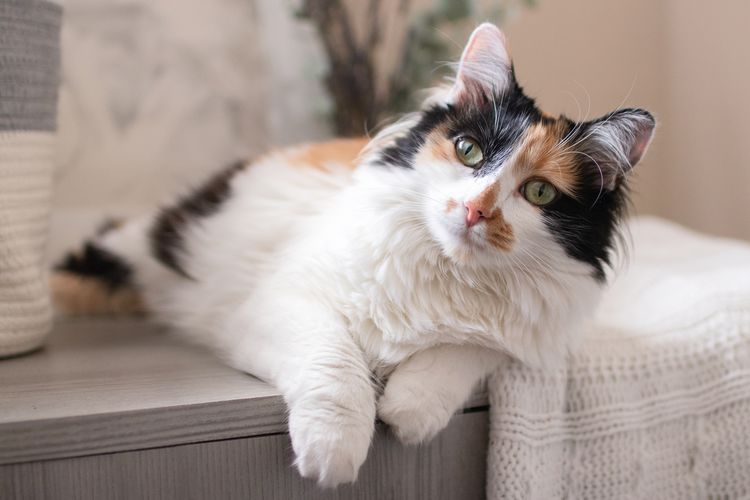
Calico Cat: Breed Profile, Characteristics & Care
Calico cats boast unique tri-color coats, and they are famous for being both spunky and sweet. Learn about the calico cat color pattern.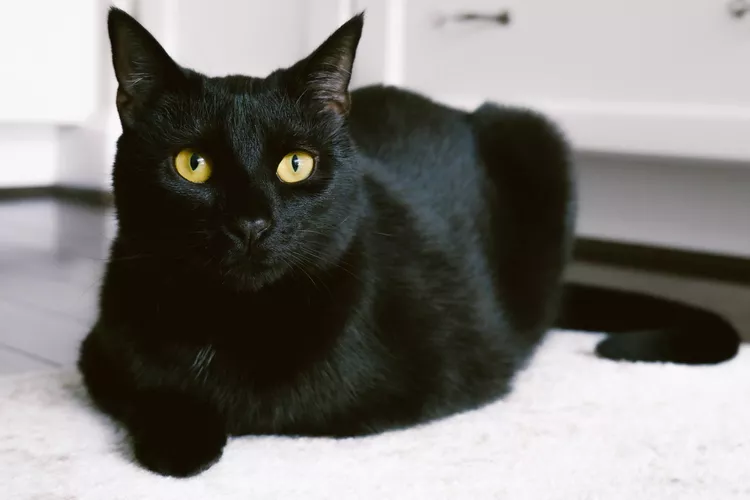
Bombay: Cat Breed Profile, Characteristics & Care
The Bombay cat, a mix of the Burmese and the American shorthair, features an all-black coat, a stocky build, and a friendly demeanor.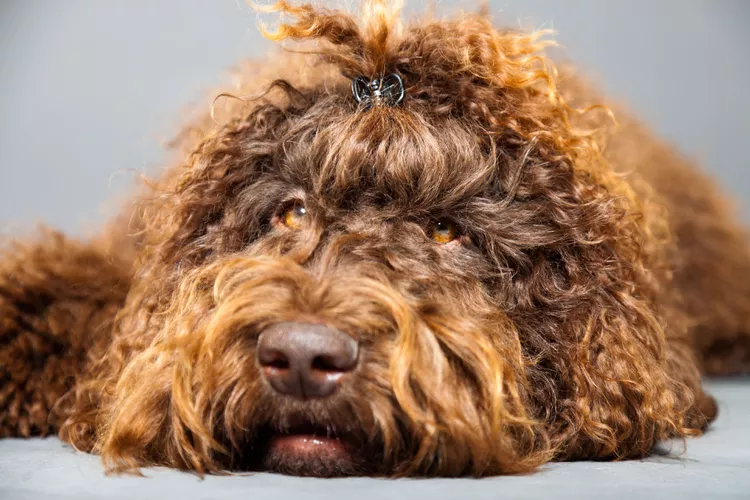
Barbet: Dog Breed Characteristics & Care
Learn about the barbet dog, a French hunting breed that's tough to find in the United States. It's known for its curly coat and calm demeanor.
Bichon Frise: Dog Breed Characteristics & Care
The bichon frise is a fluffy little white dog with a joyful personality. Learn more about its appearance, personality, history, care, and more.
Australian Kelpie: Dog Breed Characteristics & Care
The Australian kelpie is an intelligent, high-energy dog breed developed for herding. Learn about the Australian kelpie, including temperament, appearance, history, and care needs.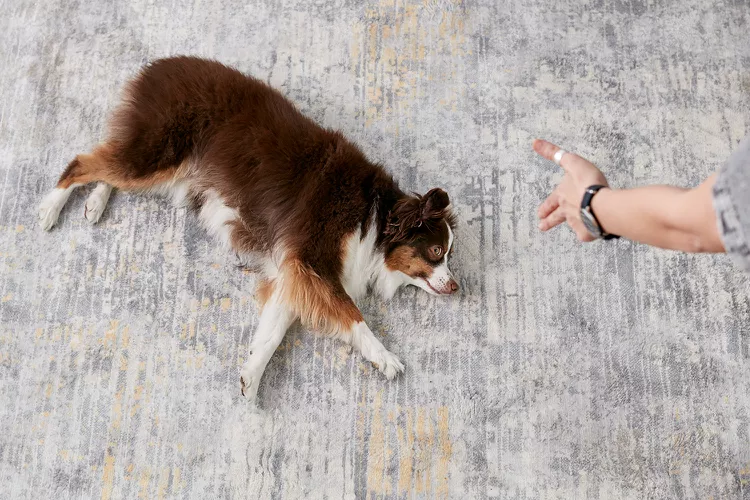
How to Teach Your Dog to Play Dead in 4 Steps
Playing dead is a fun dog trick that most dogs can pick up pretty quickly. Learn simple steps to teach your dog to play dead when you say "bang."
Different Meanings of a Dog's Wagging Tail
A dog wagging his tail is a common sight, but it may mean more than you think. Find out why dogs wag their tails and what canine tail wagging means.


