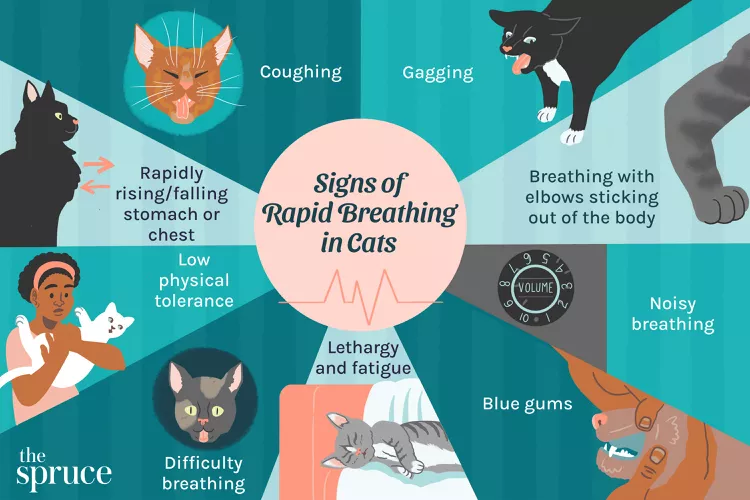
Rapid breathing (tachypnea) is not a disease in itself, but it can be a symptom of a potentially serious or even life-threatening condition. Note that it's normal, or at least not unexpected, for a cat to breathe fast if it's anxious, overheated, or playing enthusiastically. But it's abnormal if a cat is breathing rapidly while at rest, particularly if it also appears lethargic or ill. If your cat is experiencing tachypnea, it can be a sign of a variety of issues from stress to heart disease, and it indicates that your pet is not getting enough oxygen through its system.
Cats are generally subtle in showing their caregivers signs of illness, so you must be especially vigilant to notice symptoms like rapid breathing. Being observant may help you to determine the cause of the rapid breathing or the situations in which it occurs. Because tachypnea can be a sign of serious illness, it's important to seek veterinary attention if your cat continues to breathe rapidly.
To know if a cat is breathing rapidly, you first need to know a healthy respiratory rate (breathing) for a cat, which is 20 to 30 breaths per minute when resting calmly or sleeping. Breaths should create small movements of the chest; if your cat’s sides are moving a large amount, this can indicate labored breathing. Be concerned if your cat’s breathing is abnormal. That means it’s unusually slow, fast, noisy (has a high, harsh, or whistling sound), or the cat is having difficulty breathing.
To measure your cat's resting respiration rate, count the number of breaths your cat takes while sleeping. One breath consists of your cat’s chest rising (inhaling) and falling (exhaling). Use your phone or watch to time 30 seconds and count how many breaths occur during those 30 seconds. Next, multiply the number of breaths you counted by two to get the number of breaths in a minute. If your cat is breathing more than 30 times per minute while at rest, it is experiencing tachypnea.
Because tachypnea is a sign of an underlying health problem, there are often several other symptoms that can occur along with the rapid breathing. Any breathing difficulty is a medical emergency and requires urgent veterinary attention. You might observe:
The most obvious sign of tachypnea in cats is rapid rising and falling of the stomach and chest, indicating that the cat is breathing faster than normal. Sometimes it will appear that your cat's sides are sucking in and out with each breath. You might see your cat try to ease its breathing by crouching down with elbows held out slightly from its body and its head stretched forward. A cat that is really struggling to breathe will often pant through an open mouth and might appear anxious or even panicky.
Depending on the cause of the rapid breathing, you may or may not hear abnormal respiratory sounds, such as whistling, wheezing, or groans with each breath. Your cat might even cough or gag. If the breathing difficulty is quite severe, your cat's gums might appear bluish, which indicates a lack of oxygen.
Other symptoms that can accompany breathing difficulties include a loss of interest in play or other activities, sleeping more than usual, loss of appetite, lethargy or depression, and irritability.
Rapid breathing in cats is a symptom of a variety of illnesses and injuries and should be evaluated by your veterinarian right away. While some causes of tachypnea are mild and easily treated, many are life-threatening without rapid treatment.
Some possible causes include:
If your cat is breathing rapidly, consider any obvious factors that may be causing it and remove them from your cat's environment. Some factors include emotional distress and heat. If your cat is panting due to heat, for example, get them out of the heat as soon as possible and make sure to have water available to them. If your cat's breathing quickly returns to normal, then you know that the problem was a situational response and not an underlying health issue. However, if rapid breathing continues despite removing the possible cause, seek veterinary attention.
The veterinarian will perform an examination observing how your cat breathes and will listen to their chest for evidence or abnormalities such as a heart murmur or fluid in the lungs. They'll also check the color of your cat's gums to indicate whether oxygen is being delivered to the organs effectively, and do a complete examination of the whole body.
Your veterinarian will most likely perform blood tests to check for underlying conditions and take X-rays and/or ultrasounds to examine the lungs and heart.
Rapid breathing is a symptom of an underlying medical issue, and treatment varies depending on the severity of illness and diagnosis. If your pet is struggling to breathe, the veterinarian or veterinary technician may take it to the treatment area immediately upon arrival to stabilize your cat. This will include providing oxygen through a mask and placing an IV catheter to administer emergency drugs and fluids. If a foreign object is lodged in the cat's airways, the veterinarian will remove it manually if possible, or through an emergency surgery if the object cannot be easily reached.
In cases of pleural effusion, a thoracentesis may be performed to remove fluid from the chest, which will improve breathing and provide the veterinarian with a fluid sample for analysis. If heart disease is a concern, once your cat is stabilized, X-rays and an echocardiogram of the heart may be performed to evaluate the size and function of the heart.
Antibiotics, allergy medications, and anti-inflammatories will be prescribed in cases of infectious or inflammatory illnesses, or if the veterinarian suspects allergies are causing the problem.
If your cat is in respiratory distress, it is best to be as calm as possible. If traveling is stressful for your cat, your veterinarian will be able to best advise you on how to transport your cat.
Remember that if you think your cat is exhibiting rapid breathing, in most cases, this is an emergency. It is always safest to have your pet evaluated at the first sign of rapid breathing. If your cat exhibits rapid breathing that resolves after a few minutes, keep a journal of details including how long it lasted, what was happening before and after, and the date to share with your veterinarian. This will help your veterinarian narrow down potential causes and recognize possible triggers.
If your cat is breathing rapidly due to infection, allergies, or another simple health issue, then the problem should be resolved with treatment. However, if the tachypnea is caused by heart disease, trauma, poisoning, or a tumor, the prognosis is far more guarded.
Because so many things can cause rapid breathing in cats, you cannot always prevent this symptom. But you can help ward off health issues by getting your cat regular veterinary checkups, feeding a balanced, healthy diet, making sure your cat is a healthy weight, and avoiding situations that might stress, frighten, or overheat your cat.

Swollen Lymph Nodes in Dogs
Dogs' lymph node glands may become enlarged due to infection or disease. Learn the causes, treatment, and prevention.
What Is Spaying? All About the Procedure in Dogs
What is a spay? Should you have your dog spayed? Learn what it means to spay a dog, a procedure also known as an ovariohysterectomy.
Can Dogs Eat Popsicles?
You might be wondering can dogs eat popsicles? Certain types of frozen treats are safe for your dog, but you need to be aware of ingredients and allergies
Can Dogs Drink Milk?
Dogs can have milk, providing they are not lactose intolerant. It should really only be given in small quantities though
Can My Dog Eat Tomatoes?
You'll want to keep Fido out of your garden since the tomato plant is toxic, but you can safely offer him ripe tomatoes as a nutrient-packed treat.
Can Dogs Taste Spicy Flavors?
While dogs and humans experience some flavors differently, dogs do taste spicy flavors and in some cases, this can be harmful for them.
Should You Allow Your Indoor Cat to Go Outside?
Here are pros, cons, and safety considerations for allowing indoor cats to explore outdoors and the indoor vs outdoor cats debate, plus safety tips.
Can My Spayed Cat Still Be in Heat?
If your cat was spayed but appears to be in heat, the condition may be caused by several factors. Learn about them here.
How to Keep Cats Cool in Summer
Summertime means heat and with increased temperatures, you have an increased risk of heatstroke in cats. Find out how to prevent heatstroke and keep your cat cool in the summer.
Taurine for Cats
Taurine is an essential animal protein in your cat's diet. Learn more about the various ways it supports your feline's body.
Why Is My Cat Always Hungry and Meowing?
A cat can act like it is always hungry, and there may be a medical reason for this. Learn what behavior is normal and when to see your veterinarian.
Elf Cat: Breed Profile, Characteristics & Care
Elf cats are a new, rare cross between a sphynx and American curl with curly ears and a playful personality.
Maine Coon Cat: Breed Profile, Characteristics & Care
The Maine Coon cat is of the largest cat breeds in the world. These amiable, gentle cats make great companions. Learn about the Maine Coon cat breed's appearance, temperament, health, and care needs.
Calico Cat: Breed Profile, Characteristics & Care
Calico cats boast unique tri-color coats, and they are famous for being both spunky and sweet. Learn about the calico cat color pattern.
Bombay: Cat Breed Profile, Characteristics & Care
The Bombay cat, a mix of the Burmese and the American shorthair, features an all-black coat, a stocky build, and a friendly demeanor.
Barbet: Dog Breed Characteristics & Care
Learn about the barbet dog, a French hunting breed that's tough to find in the United States. It's known for its curly coat and calm demeanor.
Bichon Frise: Dog Breed Characteristics & Care
The bichon frise is a fluffy little white dog with a joyful personality. Learn more about its appearance, personality, history, care, and more.
Australian Kelpie: Dog Breed Characteristics & Care
The Australian kelpie is an intelligent, high-energy dog breed developed for herding. Learn about the Australian kelpie, including temperament, appearance, history, and care needs.
How to Teach Your Dog to Play Dead in 4 Steps
Playing dead is a fun dog trick that most dogs can pick up pretty quickly. Learn simple steps to teach your dog to play dead when you say "bang."
Different Meanings of a Dog's Wagging Tail
A dog wagging his tail is a common sight, but it may mean more than you think. Find out why dogs wag their tails and what canine tail wagging means.


