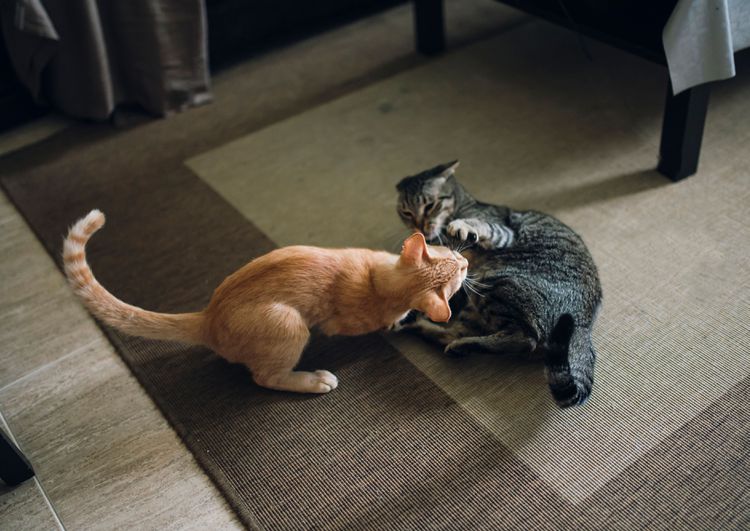
Stress and anxiety can have debilitating effects on a human's health. Stress in cats acts much the same way. Not only can it exacerbate existing physical conditions, but it can lead to a number of problems often considered behavioral, such as litter box avoidance, aggressive behavior, or depression and withdrawal.
When behavioral problems suddenly appear, savvy cat owners soon learn to look first for signs of health problems, such as urinary tract infections with litter box avoidance, and next for stress factors, such as changes in the environment.
Cats do not deal well with change. Even subtle changes in a cat's environment can lead to stress. Substantial changes, such as moving, or the introduction of a new baby, spouse, or another animal to the household, can have devastating effects. External causes that might cause anxiety include:
Most of the environmental changes resulted in emotional stress in cats. One way of understanding this is that environmental changes are the cause and emotional stress the effect. There are other emotional stressors, in particular:
Stress is a big factor in managing the health of a senior cat, or any cat with a serious physical condition. Cats with weakened immune systems, such as FIV or FeLV patients, do not thrive under stress.
Older cats and cats with a chronic and/or terminal disease do much better in a quiet setting, with a minimum of environmental changes. It would be very unwise to bring home a new kitten or a noisy dog under these circumstances. A hospital or hospice situation with tip-toeing and hushed voices is not necessary, but loud noises and sudden movement should be avoided, if possible. If there are children in the house, a discussion might be in order, not only to enlist their help in reducing stress to the older feline patient but also to help prepare them for what will inevitably come.
If you can determine the source of the stress, take measures to ease your cat's anxiety. By eliminating the stressor, you will stop the anxiety in the cat. This may be in the form of a new litter box, closing the window shades, or no longer hosting loud parties in your home.
Natural remedies such as herbs, flower essences, or homeopathic remedies may help in reducing cats' stress and anxiety. Introduce only one remedy at a time, and check with your veterinarian first before trying any of these products.
Pheromone containing sprays, collars, and plug-ins can also be very helpful in reducing stress. These products mimic the pheromone cats use to mark their territory, making them feel more secure.
In severe cases, your vet may need to prescribe an anti-anxiety medication to help make your cat feel calmer and be more open to other methods or reducing anxiety,.
Remember, that one of the most important things you can do to minimize stress in your cat is to keep your own stress level down. A hot cup of herbal tea, a glass of wine, or a hot bath might be just the thing you need on some of those days when you find yourself "telegraphing" your own stress to your cat.

Swollen Lymph Nodes in Dogs
Dogs' lymph node glands may become enlarged due to infection or disease. Learn the causes, treatment, and prevention.
What Is Spaying? All About the Procedure in Dogs
What is a spay? Should you have your dog spayed? Learn what it means to spay a dog, a procedure also known as an ovariohysterectomy.
Can Dogs Eat Popsicles?
You might be wondering can dogs eat popsicles? Certain types of frozen treats are safe for your dog, but you need to be aware of ingredients and allergies
Can Dogs Drink Milk?
Dogs can have milk, providing they are not lactose intolerant. It should really only be given in small quantities though
Can My Dog Eat Tomatoes?
You'll want to keep Fido out of your garden since the tomato plant is toxic, but you can safely offer him ripe tomatoes as a nutrient-packed treat.
Can Dogs Taste Spicy Flavors?
While dogs and humans experience some flavors differently, dogs do taste spicy flavors and in some cases, this can be harmful for them.
Should You Allow Your Indoor Cat to Go Outside?
Here are pros, cons, and safety considerations for allowing indoor cats to explore outdoors and the indoor vs outdoor cats debate, plus safety tips.
Can My Spayed Cat Still Be in Heat?
If your cat was spayed but appears to be in heat, the condition may be caused by several factors. Learn about them here.
How to Keep Cats Cool in Summer
Summertime means heat and with increased temperatures, you have an increased risk of heatstroke in cats. Find out how to prevent heatstroke and keep your cat cool in the summer.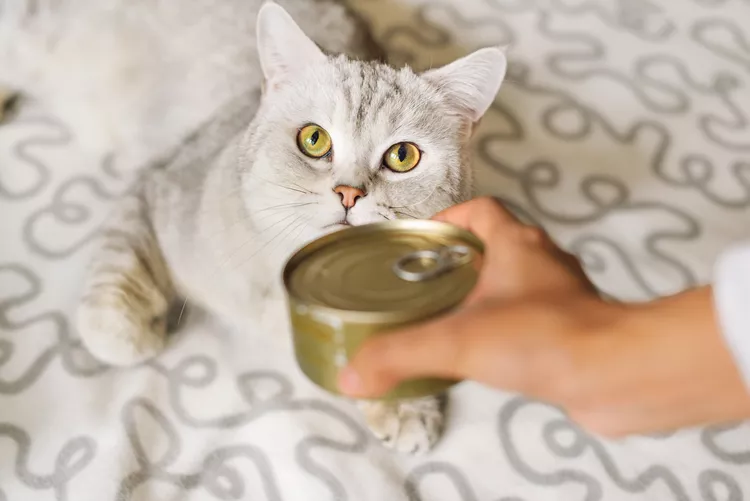
Taurine for Cats
Taurine is an essential animal protein in your cat's diet. Learn more about the various ways it supports your feline's body.
Why Is My Cat Always Hungry and Meowing?
A cat can act like it is always hungry, and there may be a medical reason for this. Learn what behavior is normal and when to see your veterinarian.
Elf Cat: Breed Profile, Characteristics & Care
Elf cats are a new, rare cross between a sphynx and American curl with curly ears and a playful personality.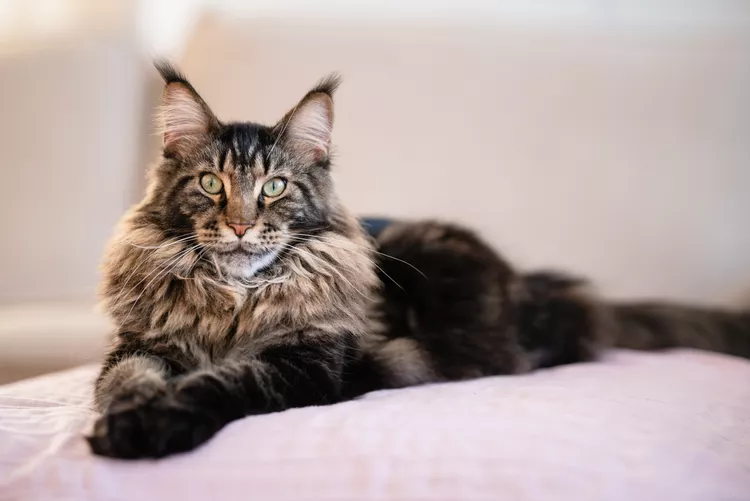
Maine Coon Cat: Breed Profile, Characteristics & Care
The Maine Coon cat is of the largest cat breeds in the world. These amiable, gentle cats make great companions. Learn about the Maine Coon cat breed's appearance, temperament, health, and care needs.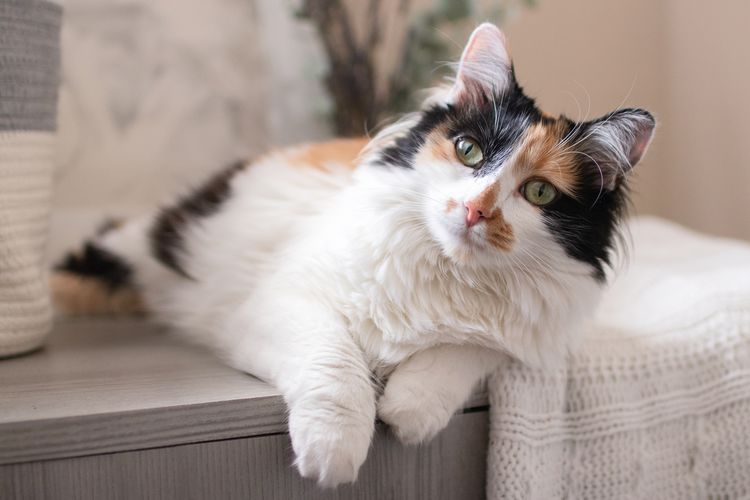
Calico Cat: Breed Profile, Characteristics & Care
Calico cats boast unique tri-color coats, and they are famous for being both spunky and sweet. Learn about the calico cat color pattern.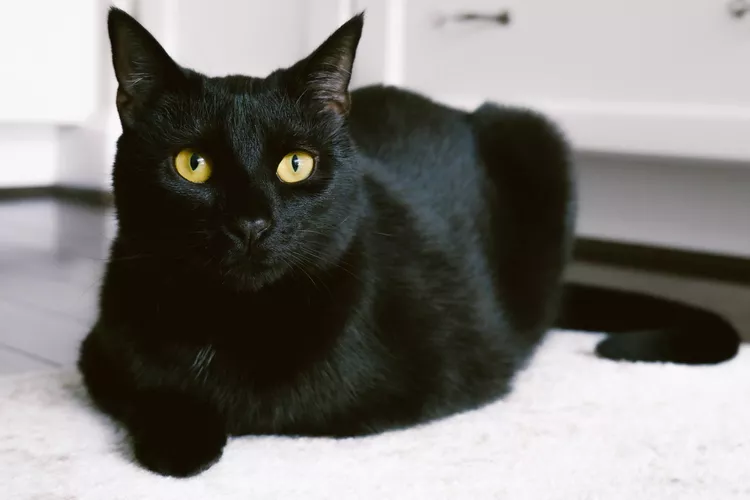
Bombay: Cat Breed Profile, Characteristics & Care
The Bombay cat, a mix of the Burmese and the American shorthair, features an all-black coat, a stocky build, and a friendly demeanor.
Barbet: Dog Breed Characteristics & Care
Learn about the barbet dog, a French hunting breed that's tough to find in the United States. It's known for its curly coat and calm demeanor.
Bichon Frise: Dog Breed Characteristics & Care
The bichon frise is a fluffy little white dog with a joyful personality. Learn more about its appearance, personality, history, care, and more.
Australian Kelpie: Dog Breed Characteristics & Care
The Australian kelpie is an intelligent, high-energy dog breed developed for herding. Learn about the Australian kelpie, including temperament, appearance, history, and care needs.
How to Teach Your Dog to Play Dead in 4 Steps
Playing dead is a fun dog trick that most dogs can pick up pretty quickly. Learn simple steps to teach your dog to play dead when you say "bang."
Different Meanings of a Dog's Wagging Tail
A dog wagging his tail is a common sight, but it may mean more than you think. Find out why dogs wag their tails and what canine tail wagging means.


