
The health benefits of blueberries are abundant. Blueberries contains vitamins, antioxidants, fiber and other compounds that help boost health in many ways, from supporting urinary-tract function to fighting cancer. People and dogs enjoy blueberries, but what about cats? Can cats eat blueberries safely, and if so, how many blueberries can a cat eat?
Some fruits are safe for cats to eat and some are not. As it turns out, blueberries are safe to feed to cats. In general, though, cats don’t eat much fruit. Unlike dogs, which are omnivores, cats are classified as “obligate carnivores.” This means that the majority of a cat’s diet must be comprised of meat—cats don’t require fruits and vegetables in their diet. For this reason, cats crave savory foods the most. In fact, you might be surprised to learn that domesticated cats physically cannot taste sweet things—they lack the specific taste receptor (called the TAS1R2 gene) required to be able to identify sweet flavors.
“But how can this be?” you might ask. “My cat loves ice cream!” Interestingly, some cats do enjoy eating things like ice cream and yogurt. Researchers have theorized that cats are in fact drawn to the fat content of foods like ice cream and yogurt, rather than the sweetness of these foods. (It’s important to note that cats should only eat very small amounts of dairy foods like ice cream and yogurt. Cats are lactose intolerant, which means they cannot digest the lactose that’s found in milk and milk products, so dairy foods can give cats stomach upset, including diarrhea and vomiting.)
Blueberries are considered a superfood, which is a food that provides additional health benefits above and beyond wholesome nutrition. Although most research about the health benefits of blueberries has been done on humans (and to a smaller extent, dogs), the known health benefits of blueberries might also help cats too.
Blueberries contain high levels of antioxidants (compounds that fight free radicals, slowing damage to the cells of the body). Antioxidants can slow the aging process and they may even fight cancer. Blueberry fiber can help reduce inflammation throughout the body, potentially easing conditions like arthritis and inflammatory bowel disease. Blueberries also support urinary-tract health (as do cranberries).
Although it’s safe and possibly even beneficial to feed your cat small amounts of blueberries as a treat in addition to her complete-and-balanced cat food, there is such a thing as too much of a good thing. Again, because cats are obligate carnivores, the majority of a cat’s diet should be meat. Although cats can eat and digest fruits and vegetables, too much could potentially cause stomach upset. Your cat should be eating high-quality, complete-and-balanced diet that meets a cat’s unique nutritional needs. Commercial cat foods include a statement on the label that states if the product is “complete and balanced” as certified by the American Association of Feed Control Officials (AAFCO). The complete-and-balanced statement on a cat food label means that the cat will get all the essential nutrients she needs, in the correct balance, as required for that life stage: adult maintenance (for adult cats), growth and reproduction (for kittens and pregnant or nursing females), or all life stages (for all cats, whether kittens or adults).
Any other food you feed your cat, including blueberries, should make up no more than 10% of your cat’s total diet (the remaining 90% should be your cat’s complete-and-balanced food). Because cats are small, limit blueberries to one to three blueberries per day.
Cats can eat fresh or cooked blueberries. Choose organic blueberries if you’re concerned about pesticides and other chemicals used to grow them. Even if you buy organic, always wash blueberries before feeding them to your cat.
If you can get your cat to eat blueberries, they can be a healthy treat for most cats. In fact, some commercial cat foods contain blueberries as an ingredient.
It’s always best to talk to your veterinarian before adding any new foods like blueberries to your cat’s diet. After you get your veterinarian’s OK you can give blueberries a try. Since cats can’t taste sweet things, they will be drawn to other qualities of blueberries. For instance, cats like new and interesting textures, so your cat might think it’s fun to chew on blueberries. Cats also like to eat wet foods, so a juicy blueberry might be just the ticket.
You might be surprised at your cat’s willingness to try blueberries as a treat. Try offering your cat whole raw blueberries, or cut them in half or smash them so your cat can see and smell the juicy insides. If your cat doesn’t seem interested, you can try mixing chopped raw blueberries or mashed cooked blueberries into your cat’s food. If your cat just doesn’t seem interested in eating blueberries, don’t force the issue.

Swollen Lymph Nodes in Dogs
Dogs' lymph node glands may become enlarged due to infection or disease. Learn the causes, treatment, and prevention.
What Is Spaying? All About the Procedure in Dogs
What is a spay? Should you have your dog spayed? Learn what it means to spay a dog, a procedure also known as an ovariohysterectomy.
Can Dogs Eat Popsicles?
You might be wondering can dogs eat popsicles? Certain types of frozen treats are safe for your dog, but you need to be aware of ingredients and allergies
Can Dogs Drink Milk?
Dogs can have milk, providing they are not lactose intolerant. It should really only be given in small quantities though
Can My Dog Eat Tomatoes?
You'll want to keep Fido out of your garden since the tomato plant is toxic, but you can safely offer him ripe tomatoes as a nutrient-packed treat.
Can Dogs Taste Spicy Flavors?
While dogs and humans experience some flavors differently, dogs do taste spicy flavors and in some cases, this can be harmful for them.
Should You Allow Your Indoor Cat to Go Outside?
Here are pros, cons, and safety considerations for allowing indoor cats to explore outdoors and the indoor vs outdoor cats debate, plus safety tips.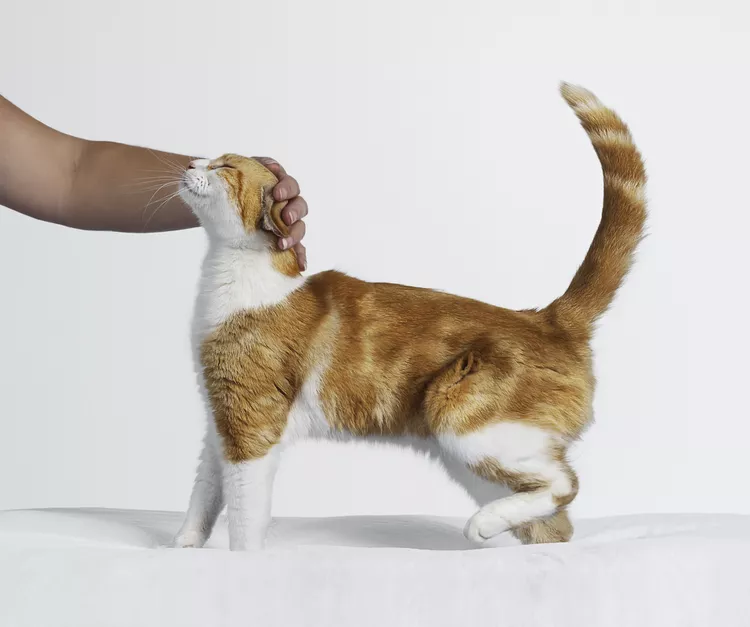
Can My Spayed Cat Still Be in Heat?
If your cat was spayed but appears to be in heat, the condition may be caused by several factors. Learn about them here.
How to Keep Cats Cool in Summer
Summertime means heat and with increased temperatures, you have an increased risk of heatstroke in cats. Find out how to prevent heatstroke and keep your cat cool in the summer.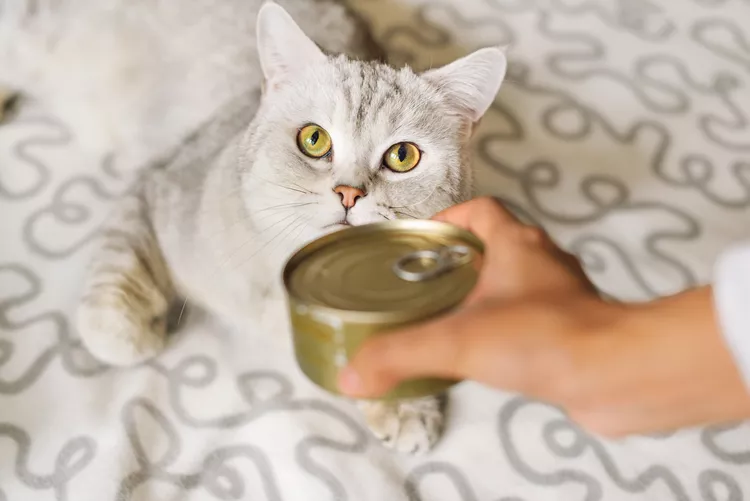
Taurine for Cats
Taurine is an essential animal protein in your cat's diet. Learn more about the various ways it supports your feline's body.
Why Is My Cat Always Hungry and Meowing?
A cat can act like it is always hungry, and there may be a medical reason for this. Learn what behavior is normal and when to see your veterinarian.
Elf Cat: Breed Profile, Characteristics & Care
Elf cats are a new, rare cross between a sphynx and American curl with curly ears and a playful personality.
Maine Coon Cat: Breed Profile, Characteristics & Care
The Maine Coon cat is of the largest cat breeds in the world. These amiable, gentle cats make great companions. Learn about the Maine Coon cat breed's appearance, temperament, health, and care needs.
Calico Cat: Breed Profile, Characteristics & Care
Calico cats boast unique tri-color coats, and they are famous for being both spunky and sweet. Learn about the calico cat color pattern.
Bombay: Cat Breed Profile, Characteristics & Care
The Bombay cat, a mix of the Burmese and the American shorthair, features an all-black coat, a stocky build, and a friendly demeanor.
Barbet: Dog Breed Characteristics & Care
Learn about the barbet dog, a French hunting breed that's tough to find in the United States. It's known for its curly coat and calm demeanor.
Bichon Frise: Dog Breed Characteristics & Care
The bichon frise is a fluffy little white dog with a joyful personality. Learn more about its appearance, personality, history, care, and more.
Australian Kelpie: Dog Breed Characteristics & Care
The Australian kelpie is an intelligent, high-energy dog breed developed for herding. Learn about the Australian kelpie, including temperament, appearance, history, and care needs.
How to Teach Your Dog to Play Dead in 4 Steps
Playing dead is a fun dog trick that most dogs can pick up pretty quickly. Learn simple steps to teach your dog to play dead when you say "bang."
Different Meanings of a Dog's Wagging Tail
A dog wagging his tail is a common sight, but it may mean more than you think. Find out why dogs wag their tails and what canine tail wagging means.


