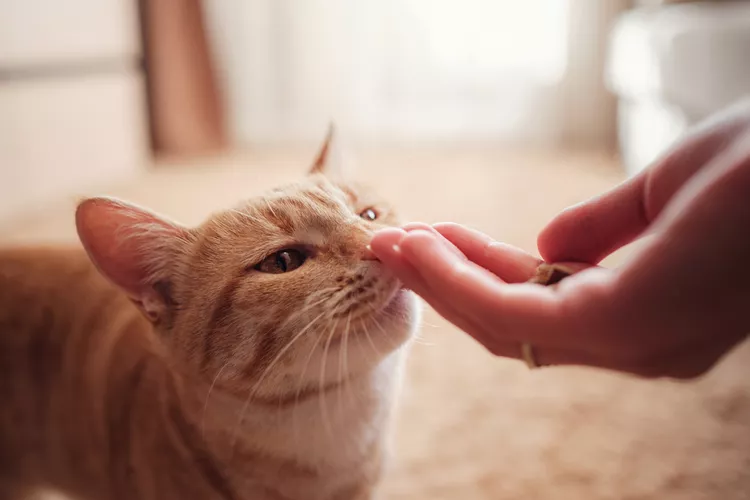
Cheese is a staple food item in most homes. In fact, it’s so commonplace, some pet owners may use it to hide pet medications in. Can cats eats cheese, though?
Cats are obligate carnivores, meaning they need animal protein in order to get all their required nutrients. That doesn't mean they only eat meat, though. In fact, one study showed that domestic cats, have a daily diet consisting of 52 percent protein, 36 percent fat, and only 12 percent coming from carbohydrates. So clearly they eat things besides meat. But does that mean they can and should eat cheese?
Cheese, like all dairy products, contains the milk sugar lactose. When kittens are first born, they have the proper enzymes to digest these sugars as they live off their mother’s milk for the first few months of their life. As they are weaned off of their mother’s milk, their production of lactulose, the enzyme needed to digest lactose begins to wane. In fact, by the time most kittens reach the age of one year, they stop producing it altogether. This means that most adult cats can’t actually digest lactose.
When an adult cat consumes anything with lactose, instead of being digested, the lactose is fermented in the intestines. This can cause both bloating and flatulence. Additionally, water is drawn into the intestines instead of out, causing diarrhea.
It’s important to note that the response of a cat’s gastrointestinal tract to dairy is not the same thing as to an actual food allergen. When a cat ingests a food they are allergic to, the physiological response is immune-mediated. When a cat eats dairy, they don’t get GI upset as a result of a food allergy but because they simply can’t digest it.
Cheese, like all dairy products, contains lactose, although not in as high of concentrations as actual milk. This is because of how cheese is made. Cheese making involves separating the curds, what is used to make cheese, from the whey. The whey actually contains most of the lactose, but some still exists in the curd.
Cow’s milk, whether whole, two percent, one percent, or skim has between nine and 14 grams of lactose. Pasteurized and processed American cheese, however, has just between 0.5 and four grams. So while cats can’t actually digest cheese, they can tolerate it in small amounts, or enough to be able to use cheese to hide medications.
Another thing to keep in mind is that cheese is a very calorie-dense food, and just a small amount can end up meeting your cat's calorie requirement for the entire day! Since pet obesity is a huge problem, don't forget to factor in calories of cheese when considering if you should feed it to your cat or not.
As eating a plant based diet becomes more popular in human culture, there are more and more cheese alternatives available on the market. You may be tempted to try non-dairy cheese for your cat as a way to get around the whole lactose thing, but this might actually be no better.
Some cheeses, whether dairy or non-dairy, may also contain herbs that may be more concerning than just lactose. Things like garlic and onion may be incorporated into some cheese varieties and both of these can be toxic to cats. In addition, non-dairy cheeses may contain more oils and fats than standard dairy cheese would. Fatty foods can lead to weight gain and may also cause GI upset, including pancreatitis.
If your cat manages to eat more than a few nibbles of cheese, don’t fret quite yet. Monitor your cat for GI signs, such as diarrhea and decreased appetite. If you fear they got into too much cheese, contact your local veterinarian or a pet poison hotline, such as the ASPCA Pet Poison Control.
Let them know what kind of cheese your cat got into and a rough estimate of how much you think they ate. They will be able to give better insight about what to watch out for, if veterinary medical attention is required, and what treatment should entail.
So, while some cats can tolerate cheese, they should only consume it in small amounts. Using it as a high value reward for administering medications or even training is usually fine, but it should not be a staple of their diet nor a treat given in high amounts.

Swollen Lymph Nodes in Dogs
Dogs' lymph node glands may become enlarged due to infection or disease. Learn the causes, treatment, and prevention.
What Is Spaying? All About the Procedure in Dogs
What is a spay? Should you have your dog spayed? Learn what it means to spay a dog, a procedure also known as an ovariohysterectomy.
Can Dogs Eat Popsicles?
You might be wondering can dogs eat popsicles? Certain types of frozen treats are safe for your dog, but you need to be aware of ingredients and allergies
Can Dogs Drink Milk?
Dogs can have milk, providing they are not lactose intolerant. It should really only be given in small quantities though
Can My Dog Eat Tomatoes?
You'll want to keep Fido out of your garden since the tomato plant is toxic, but you can safely offer him ripe tomatoes as a nutrient-packed treat.
Can Dogs Taste Spicy Flavors?
While dogs and humans experience some flavors differently, dogs do taste spicy flavors and in some cases, this can be harmful for them.
Should You Allow Your Indoor Cat to Go Outside?
Here are pros, cons, and safety considerations for allowing indoor cats to explore outdoors and the indoor vs outdoor cats debate, plus safety tips.
Can My Spayed Cat Still Be in Heat?
If your cat was spayed but appears to be in heat, the condition may be caused by several factors. Learn about them here.
How to Keep Cats Cool in Summer
Summertime means heat and with increased temperatures, you have an increased risk of heatstroke in cats. Find out how to prevent heatstroke and keep your cat cool in the summer.
Taurine for Cats
Taurine is an essential animal protein in your cat's diet. Learn more about the various ways it supports your feline's body.
Why Is My Cat Always Hungry and Meowing?
A cat can act like it is always hungry, and there may be a medical reason for this. Learn what behavior is normal and when to see your veterinarian.
Elf Cat: Breed Profile, Characteristics & Care
Elf cats are a new, rare cross between a sphynx and American curl with curly ears and a playful personality.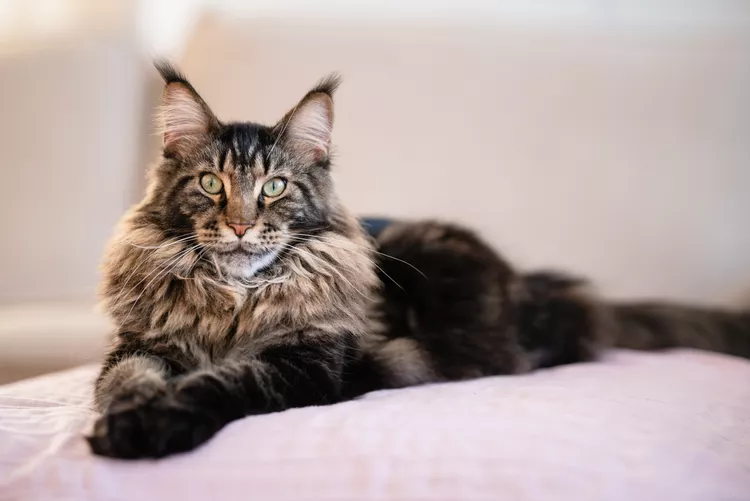
Maine Coon Cat: Breed Profile, Characteristics & Care
The Maine Coon cat is of the largest cat breeds in the world. These amiable, gentle cats make great companions. Learn about the Maine Coon cat breed's appearance, temperament, health, and care needs.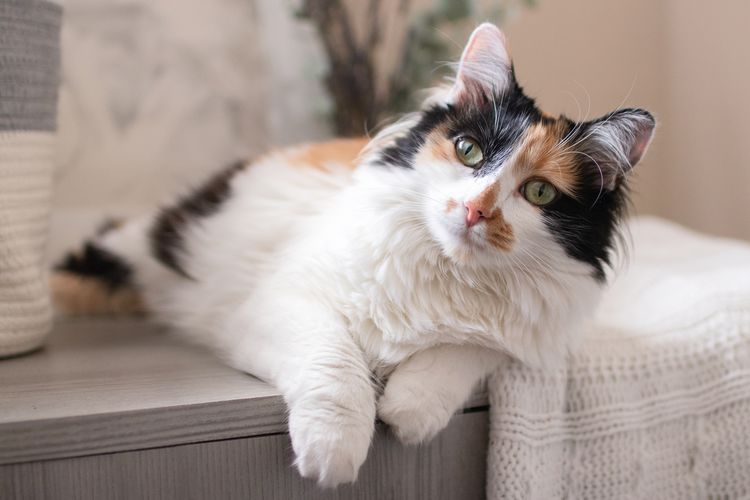
Calico Cat: Breed Profile, Characteristics & Care
Calico cats boast unique tri-color coats, and they are famous for being both spunky and sweet. Learn about the calico cat color pattern.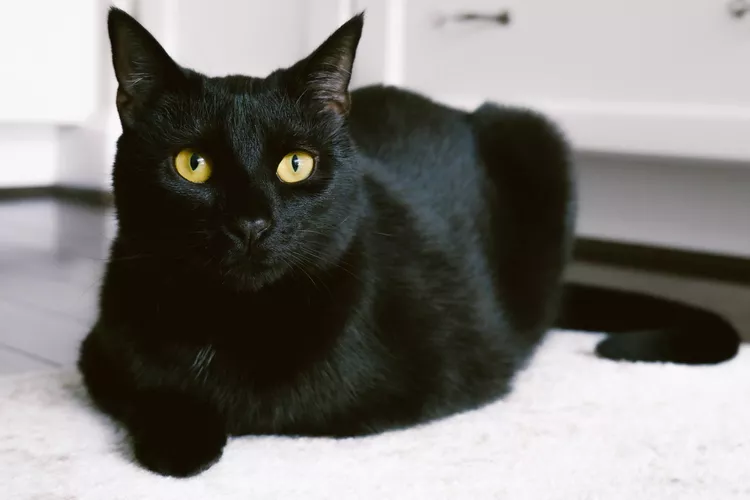
Bombay: Cat Breed Profile, Characteristics & Care
The Bombay cat, a mix of the Burmese and the American shorthair, features an all-black coat, a stocky build, and a friendly demeanor.
Barbet: Dog Breed Characteristics & Care
Learn about the barbet dog, a French hunting breed that's tough to find in the United States. It's known for its curly coat and calm demeanor.
Bichon Frise: Dog Breed Characteristics & Care
The bichon frise is a fluffy little white dog with a joyful personality. Learn more about its appearance, personality, history, care, and more.
Australian Kelpie: Dog Breed Characteristics & Care
The Australian kelpie is an intelligent, high-energy dog breed developed for herding. Learn about the Australian kelpie, including temperament, appearance, history, and care needs.
How to Teach Your Dog to Play Dead in 4 Steps
Playing dead is a fun dog trick that most dogs can pick up pretty quickly. Learn simple steps to teach your dog to play dead when you say "bang."
Different Meanings of a Dog's Wagging Tail
A dog wagging his tail is a common sight, but it may mean more than you think. Find out why dogs wag their tails and what canine tail wagging means.


