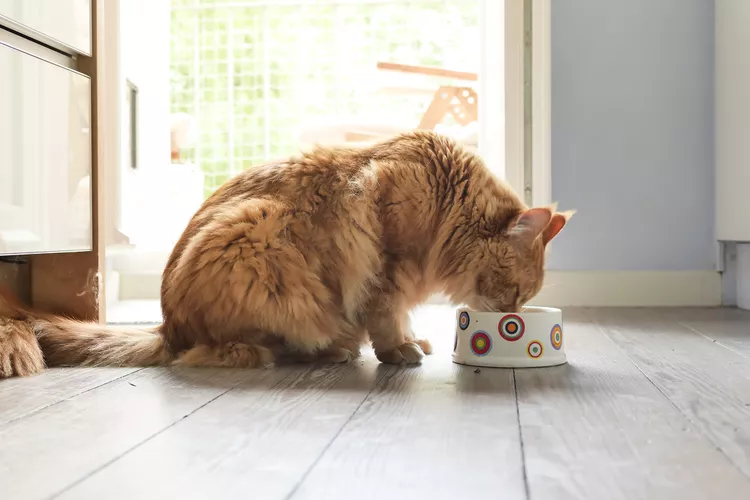
Are raw food diets good for cats? A raw diet requires uncooked animal products instead of regular dry or canned food. Choosing cat food can be overwhelming, especially when we have to worry about commercial pet food recalls.
Some owners choose to feed their cats home-prepared diets to know exactly what is in their cats' food. These home-prepared diets may be cooked or raw, and many owners opt for a raw diet that mimics a cat's natural diet in the wild.
A raw diet for cats involves feeding them uncooked animal products. This includes muscle meat, organ meat, and bones. This type of food is sometimes called the "BARF" diet, which stands for "bones and raw food" or "biologically-appropriate raw food."
The ideal raw diet for cats is prepared based on a carefully designed recipe. Many cat owners choose to prepare these diets themselves at home, but commercial forms are also available. If you choose to feed your cat a raw diet, it should be determined complete and balanced by a veterinary nutritionist. Cats that eat an imbalanced diet are at risk for a variety of health issues.
Felines are obligate carnivores. In short, this means they must eat animal products to survive. Cats don't actually need vegetables and carbohydrates in their diets. In fact, they can only tolerate carbohydrates in small amounts. Instead, cats thrive on high-protein, high-moisture diets that are rich in substances only found in meat. This includes amino acids such as taurine, fatty acids, and other essential vitamins and minerals.
Supporters of raw food diets believe that cooking meat can alter or decrease these vital substances. They advocate for a biologically appropriate diet that closely mimics what a cat would eat in the wild. In general, small wild cats hunt and eat rodents and other small mammals, birds, fish, insects, and even reptiles. When it comes to feeding your cat raw food, the idea is to create a similar diet.
There is much controversy revolving around raw food diets for pets. Those who support raw food diets have much to say about the health benefits: Their coats are shinier, teeth stay cleaner, obesity is prevented, and overall health is better. While these claims tend to ring true, the opposition has valid concerns about the safety of raw food diets.
It is important to know that feeding raw food to your cat does come with some risks. Raw food may contain pathogens like Salmonella and E. coli that can lead to serious life-threatening infections. Cooking food removes most of these pathogens, which is why we humans tend to cook our food.
Cats often digest raw foods better than humans because they have shorter, more acidic digestive tracts. Many pathogens will pass through a cat without causing any issues. Most cats will tolerate raw food, but those with health concerns (such as immune-mediated disease) may need cooked food.
Perhaps the greatest risk of feeding and handling raw meat comes down to cross-contamination. Feeding your cat a raw food diet can expose you and other people in your home to dangerous pathogens. Pathogens may remain on preparation surfaces, food dishes, in cat fecal matter, and even on your cat (especially around the face).
Raw diets should not be fed to cats living in homes with immunocompromised individuals. They should also be avoided in households with young children and/or elderly people.
While it's impossible to eliminate all risks, there are some ways to try to be safer when feeding a raw food diet to your cat:
Bones are another safety concern when it comes to raw food diets. Some small whole bones or pieces of bones can cause complications such as gastrointestinal obstructions, oral injuries, and airway obstructions. If animal bones are included in your cat's raw food diet, they should be ground up well.
One of the biggest mistakes owners make with raw food diets is not making sure the diet is complete and balanced. Some people just feed "all meat and bones" or a wide variety of meats without actually paying attention to the calorie, fat, protein, and nutrient content. Do not assume your cat is getting everything needed for good health by simply feeding it "as much meat as desired." Over time, an incomplete diet can lead to serious health problems for your cat.
You may think that random raw meat is healthy because feral cats and strays can subsist on this, but it's important to remember that wild animals have shorter life expectancies than domesticated pets. Part of this is due to diet. That's why it's important to follow a vet-approved recipe that is complete and balanced.
When developing your cat's raw diet, consult with your veterinarian about recipes that offer complete and balanced nutrition for your cat. Know that many vets will not recommend raw diets due to the risks involved. If you feel strongly about trying a raw diet and your vet is not flexible at all about raw diets, seek out a veterinarian who is experienced with raw diets. Better yet, find a veterinary nutritionist with raw diet experience.
Find an expert to help you develop a complete and balanced diet that will truly benefit your cat. Your vet may also recommend special supplements to ensure your cat gets the nutrients needed to stay healthy.
Ingredients used in a raw food diet may include the following:
You will likely need the following equipment and supplies to prepare the raw diet:
Preparing a raw diet at home can be a bit time-consuming, so most owners prefer to make enough to last several weeks and keep it frozen.
If you are not able to take the time to develop recipes and prepare raw food at home, you may wish to try one of the many commercial raw diets available. Raw diet supporters often consider commercial raw diets inferior to those prepared at home. However, they are considered healthier than feeding kibble.
Commercial raw diets are usually frozen or freeze-dried to reduce pathogens. Remember that safe-handling precautions should still be taken with these diets to prevent cross-contamination. Ask your veterinarian or veterinary nutritionist for help finding the right commercial diet. Make sure it is considered complete and balanced according to AAFCO standards.
If you would like to eliminate the risks associated with raw food but still feed your cat an optimum diet, consider home-cooked cat food. You will still need to find a recipe that is complete and balanced.
Or, choose a high-protein wet cat food made with high-quality ingredients. Most vets and experts now agree that dry kibble has too many carbohydrates to be considered optimum for cats. Fortunately, many wet foods are prepared with few carbohydrates or even none at all. Reducing or eliminating carbohydrates in your cat's diet may increase longevity. A low-carb diet can also prevent health issues like obesity and diabetes mellitus in cats.

Swollen Lymph Nodes in Dogs
Dogs' lymph node glands may become enlarged due to infection or disease. Learn the causes, treatment, and prevention.
What Is Spaying? All About the Procedure in Dogs
What is a spay? Should you have your dog spayed? Learn what it means to spay a dog, a procedure also known as an ovariohysterectomy.
Can Dogs Eat Popsicles?
You might be wondering can dogs eat popsicles? Certain types of frozen treats are safe for your dog, but you need to be aware of ingredients and allergies
Can Dogs Drink Milk?
Dogs can have milk, providing they are not lactose intolerant. It should really only be given in small quantities though
Can My Dog Eat Tomatoes?
You'll want to keep Fido out of your garden since the tomato plant is toxic, but you can safely offer him ripe tomatoes as a nutrient-packed treat.
Can Dogs Taste Spicy Flavors?
While dogs and humans experience some flavors differently, dogs do taste spicy flavors and in some cases, this can be harmful for them.
Should You Allow Your Indoor Cat to Go Outside?
Here are pros, cons, and safety considerations for allowing indoor cats to explore outdoors and the indoor vs outdoor cats debate, plus safety tips.
Can My Spayed Cat Still Be in Heat?
If your cat was spayed but appears to be in heat, the condition may be caused by several factors. Learn about them here.
How to Keep Cats Cool in Summer
Summertime means heat and with increased temperatures, you have an increased risk of heatstroke in cats. Find out how to prevent heatstroke and keep your cat cool in the summer.
Taurine for Cats
Taurine is an essential animal protein in your cat's diet. Learn more about the various ways it supports your feline's body.
Why Is My Cat Always Hungry and Meowing?
A cat can act like it is always hungry, and there may be a medical reason for this. Learn what behavior is normal and when to see your veterinarian.
Elf Cat: Breed Profile, Characteristics & Care
Elf cats are a new, rare cross between a sphynx and American curl with curly ears and a playful personality.
Maine Coon Cat: Breed Profile, Characteristics & Care
The Maine Coon cat is of the largest cat breeds in the world. These amiable, gentle cats make great companions. Learn about the Maine Coon cat breed's appearance, temperament, health, and care needs.
Calico Cat: Breed Profile, Characteristics & Care
Calico cats boast unique tri-color coats, and they are famous for being both spunky and sweet. Learn about the calico cat color pattern.
Bombay: Cat Breed Profile, Characteristics & Care
The Bombay cat, a mix of the Burmese and the American shorthair, features an all-black coat, a stocky build, and a friendly demeanor.
Barbet: Dog Breed Characteristics & Care
Learn about the barbet dog, a French hunting breed that's tough to find in the United States. It's known for its curly coat and calm demeanor.
Bichon Frise: Dog Breed Characteristics & Care
The bichon frise is a fluffy little white dog with a joyful personality. Learn more about its appearance, personality, history, care, and more.
Australian Kelpie: Dog Breed Characteristics & Care
The Australian kelpie is an intelligent, high-energy dog breed developed for herding. Learn about the Australian kelpie, including temperament, appearance, history, and care needs.
How to Teach Your Dog to Play Dead in 4 Steps
Playing dead is a fun dog trick that most dogs can pick up pretty quickly. Learn simple steps to teach your dog to play dead when you say "bang."
Different Meanings of a Dog's Wagging Tail
A dog wagging his tail is a common sight, but it may mean more than you think. Find out why dogs wag their tails and what canine tail wagging means.


