- 01 of 08
Keep Candy Out of Paw’s Reach
You’ve probably heard that chocolate is toxic to dogs. During a holiday that revolves around candy, it is especially important to make sure your dog is not getting into anything they shouldn’t.
If you plan to hand out candy, keep the bowl on a high surface in between trick-or-treaters. With overexcited little witches and ghouls swinging around buckets of candy, you’ll also want to keep an eye out for dropped candy on the floor.
If you have little ones in your household, make sure they know not to leave candy or wrappers lying around.
“Have a good chat with your kids before the party starts when you have their full attention—and they’re not distracted by chocolate and Nerds and Fun Dip—just about how candy is not safe for the pets,” says Rachel Warnes, a veterinarian with the Oregon Humane Society.
If they like to sort candy on the floor after a loop around the neighborhood, it’s a good idea to keep your dog in another room or in their crate. Also be sure everything is cleaned up before you let them back out.
You should never intentionally give your pet candy. If you really want to give them something special, pick out a new treat or toy.
- 02 of 08
Same Goes for Decorations
If your dog is the kind of dog who tears up pillows and chews on houseplants, you should think about the potential dangers of the halloween decorations you display.
Jack-o-lanterns and gourds might look like tasty treats when left accessible to a dog—but you'll want to avoid the digestive pain and pricey vet bills.
Be especially cautious about hanging garlands, tinsel, or other shiny, stringy, decorations if you have a cat at home. Curious cats are notoriously attracted to shimmery decorations and strings and these can cause dangerous intestinal blockages if ingested.
- 03 of 08
Have a Plan If Your Pet Eats Something They Shouldn't
Despite our best efforts, our pets sometimes consume potentially toxic items. While prevention should always be your first plan, it’s important to have a backup plan and know what to do if your pet does get into something dangerous.
If you know your pet has consumed chocolate or other candy (macadamia nuts, raisins, coffee, and sugar-free products containing xylitol are also toxic substances), you should immediately consult a veterinarian or a 24/7 pet poison hotline, such as the ASPCA Pet Poison Control Center or the Pet Poison Helpline. Be prepared to share more details about what and how much your pet has consumed, and an expert should be able to advise you on what to do. This may include taking your pet to an emergency hospital, administering at-home treatment, or monitoring your pet over the next few days if the case is mild enough.
You should also know the signs of poisoning in dogs so you can act quickly if they consume something away from your watch. Some common signs include vomiting, diarrhea, panting, excessive thirst, weakness, wobbly gait, and/or changes in their level of alertness and responsiveness.
- 04 of 08
Choose Pet Costumes Wisely
Everyone loves a pug in a princess dress and a cat in a witch hat, but there are precautions to take when dressing up your pet.
“For pet costumes, just make sure that they’re well-fitting and not rubbing any areas raw, especially under the armpits and the leg pits,” Warnes says.
It’s also important to make sure that your pet can still eat, drink, and go to the bathroom while in costume.
If you think your pet will be uncomfortable or scared in a costume, you may want to skip the full body suit and choose something less invasive, like a colorful collar or bandana.
Continue to 5 of 8 below - 05 of 08
Never Leave Your Pet Unattended in Costume
You should always take off your pet’s costume before leaving the house, putting them away in a crate, or otherwise leaving them unattended. This prevents them from chewing and consuming pieces of the costume, panicking, overheating, and/or getting caught and choking themselves or becoming otherwise injured as they try to break free.
- 06 of 08
Protect Your Pet From Overstimulation
Halloween can be an overstimulating holiday full of loud noises, flashing lights, and people dressed up in masks and other costumes that pets aren't used to seeing. If you live somewhere that attracts trick-or-treaters, there is also a lot more doorbell ringing than your pet is used to.
Keep an eye on your pet to see if they are acting scared or fearful. If they seem especially spooked, it might be a good idea to put them away in a crate or room where they feel safe and secure.
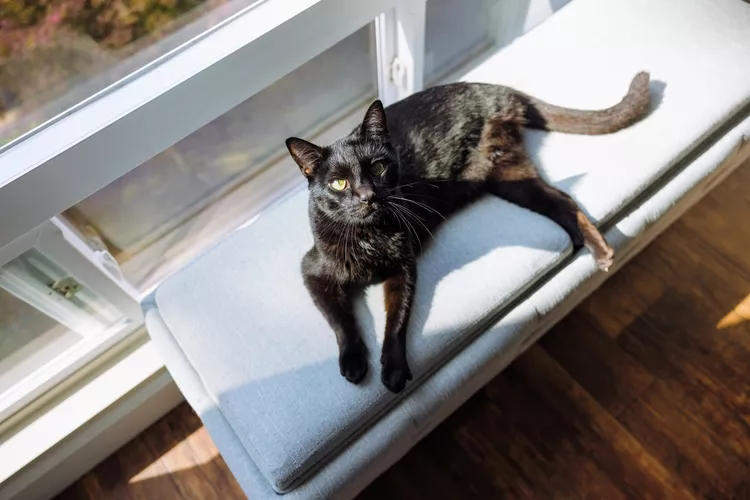
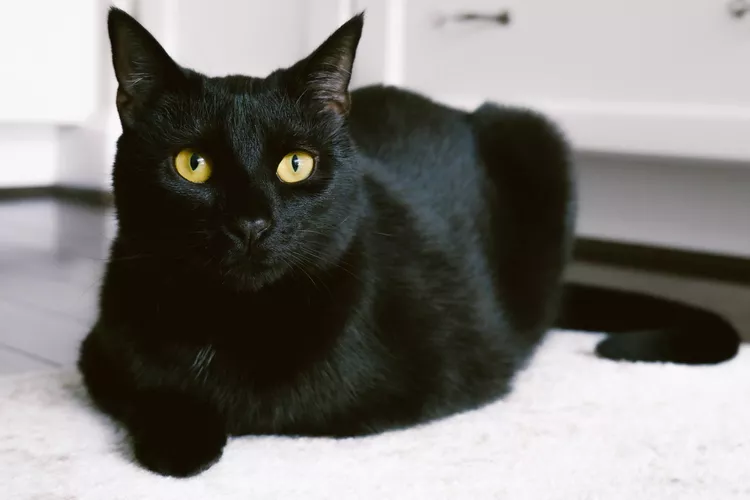
It is also a good idea to keep pets indoors (both dogs and cats) as much as possible. While no one wants to believe anyone would intentionally hurt an animal, Halloween can sometimes be associated with mischief and unsavory activities. Animals, especially black cats, can sometimes be targeted. Best to keep pets safe indoors and eliminate any risks to them.
- 07 of 08
Don’t Take Fearful Dogs Trick-or-Treating
It may be tempting to bring your dog along for trick-or-treating, especially if you have matching costumes, but be sure to think about whether that is something your dog will enjoy. Dogs who don’t do well in crowds or are easily scared might be better off left at home.
“Some dogs are … really social creatures and love to be around people and aren’t fazed by the kid wrapped in toilet paper or the person with the bleeding face or the blinking lights,” Warnes says. “For those animals, it’s probably great enrichment, but for other animals, maybe just having their own little Halloween party at home away from all the monsters might be more fun.”
- 08 of 08
Know Your Pet's Limits
If your pet is especially reactive to doorbells or other Halloween-related triggers, you can take preventative measures to keep them comfortable. Think about handing out candy at the end of the driveway so children don't have to go all the way to the porch. You could also turn off the porch light and leave a bowl of candy outside.
If your pet is especially skittish, you can ask your veterinarian about prescribing an anti-anxiety medication.
“You can also talk to your vet about anti-anxiety drugs if ringing the doorbell really sends them over the edge,” Warnes says. “Similar to fireworks—sometimes for the Fourth of July we’ll prescribe an anti-anxiety medication just to keep your pet feeling safe and secure during the one night.”
Holidays are exciting, but they can also be scary and stressful for our pets, so be sure to think about how your festivities impact them. Happy Halloween!