
Visiting a winery can be a perfect springtime activity to relax and enjoy the outdoors as the weather gets warmer. And sometimes, that chilled glass of crisp sauvignon blanc is best enjoyed with a sweet pup by your side.
Many businesses, including wineries, have become increasingly pet-friendly in recent years. While there are many pet-friendly wineries, there is no one-size-fits-all pet policy, so it’s important to do your homework before visiting. Here's the lowdown on pet-friendly wineries, including how to find them, what to expect, and tips before you go.
Pet-friendly wineries are exactly what they sound like—wineries that allow you to bring your furry friend. But different pet policies often mean there are varying degrees of “pet-friendliness.” Certain wineries may require pets to be leashed, limit pets to certain parts of the winery, or enforce pet or breed restrictions.
Wineries may use the term “pet-friendly,” but dogs are by far the most common pet you’ll come across at a vineyard. However, if you have an especially social cat (or rabbit or lizard or guinea pig) that does well in public, you may be able to take them to a pet-friendly winery that welcomes all pets.
On the theoretical scale of pet-friendliness, imagine that one side is “pet-welcoming” and the other is “pet-permitting.”
Typically, pet-welcoming businesses not only allow pets, they encourage them. Pet-welcoming wineries often have amenities specifically for pet owners, like water bowls, treats, poop bag stations, or an on-site dog park. You’ll usually see a lot of pets and pet owners at these locations.
Pet-permitting businesses will often have more restrictions in place and fewer amenities. A common restriction at wineries is allowing pets in outdoor spaces but not inside the tasting room.
It’s important to respect pet policies and remember that just because there are restrictions in places, it does not mean the winery owners or staff have anything against animals. Often, there are reasons behind restrictions that are outside of their control, such as zoning requirements or state laws.
There are several ways to find a pet-friendly winery near you. One of our favorites is utilizing online resources that have already done the research for you. These websites often include lists, ratings, and reviews of pet-friendly businesses. We recommend BringFido, which features reviews of hotels, restaurants, activities, and events in all 50 states; and Cork Hounds, which lets you search for dog-friendly wineries, vineyards, meaderies, and breweries by zip code.
You could also look up the pet policy of a winery near you. You can often find out whether they allow pets on the FAQ page of their website, but sometimes it takes some sleuthing. If you can’t find a pet policy on the business’s website, you may have some luck searching their social media pages or typing the winery’s name and “pet-friendly” or “pet policy” into a search engine. As a last resort, you could always call a winery to ask about their pet policy. If a winery is not up-front and advertising their pet policy, they may not be very welcoming to pets.
If it is your first time taking your pet to a winery or someplace similar, you can likely expect some behavioral differences in your pet. Your golden retriever may be a well-trained, obedient angel at home, but in a new environment with new sights, sounds, and smells, that training might go out the window, so it’s a good idea to keep a close eye on them.
You can also probably expect some extra attention from other animal lovers, especially those who are feeling extra social after a glass or two of wine. If your pet is skittish, politely ask people who approach them to either go slow or leave your pet alone. Also keep an eye out for children, since they are often allowed at wineries.
Regardless of how pet-friendly the winery is, you shouldn’t expect them to have everything you’ll need, so it is always a good idea to bring your own water bowl and plenty of fresh water. You may also want to bring a snack or toy to keep your pet occupied.
Like most outings, before you bring your pet to a winery, we’d advise asking yourself: Am I doing this for my pet or for me? Think about whether your pet will really enjoy being somewhere that could be potentially crowded or overstimulating. A few questions you can ask yourself include:
If you decide you still want to bring your pet, here are some tips:
Swollen Lymph Nodes in Dogs
Dogs' lymph node glands may become enlarged due to infection or disease. Learn the causes, treatment, and prevention.
What Is Spaying? All About the Procedure in Dogs
What is a spay? Should you have your dog spayed? Learn what it means to spay a dog, a procedure also known as an ovariohysterectomy.
Can Dogs Eat Popsicles?
You might be wondering can dogs eat popsicles? Certain types of frozen treats are safe for your dog, but you need to be aware of ingredients and allergies
Can Dogs Drink Milk?
Dogs can have milk, providing they are not lactose intolerant. It should really only be given in small quantities though
Can My Dog Eat Tomatoes?
You'll want to keep Fido out of your garden since the tomato plant is toxic, but you can safely offer him ripe tomatoes as a nutrient-packed treat.
Can Dogs Taste Spicy Flavors?
While dogs and humans experience some flavors differently, dogs do taste spicy flavors and in some cases, this can be harmful for them.
Should You Allow Your Indoor Cat to Go Outside?
Here are pros, cons, and safety considerations for allowing indoor cats to explore outdoors and the indoor vs outdoor cats debate, plus safety tips.
Can My Spayed Cat Still Be in Heat?
If your cat was spayed but appears to be in heat, the condition may be caused by several factors. Learn about them here.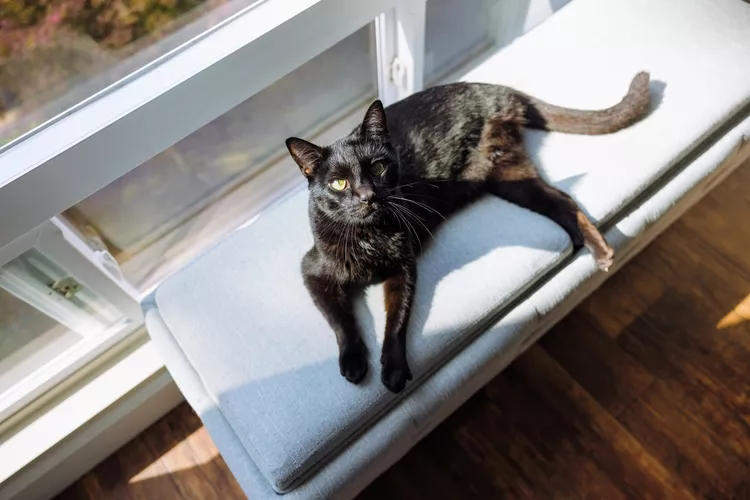
How to Keep Cats Cool in Summer
Summertime means heat and with increased temperatures, you have an increased risk of heatstroke in cats. Find out how to prevent heatstroke and keep your cat cool in the summer.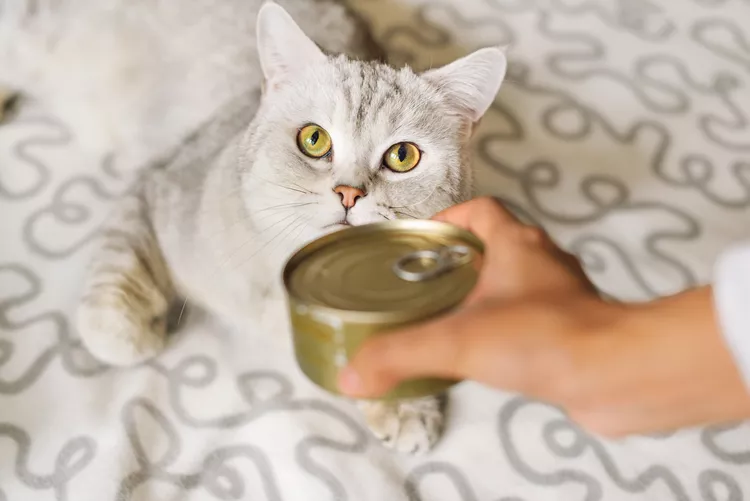
Taurine for Cats
Taurine is an essential animal protein in your cat's diet. Learn more about the various ways it supports your feline's body.
Why Is My Cat Always Hungry and Meowing?
A cat can act like it is always hungry, and there may be a medical reason for this. Learn what behavior is normal and when to see your veterinarian.
Elf Cat: Breed Profile, Characteristics & Care
Elf cats are a new, rare cross between a sphynx and American curl with curly ears and a playful personality.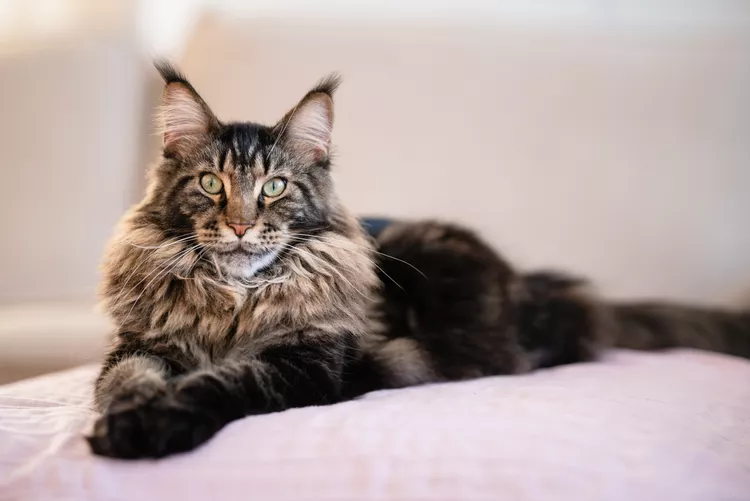
Maine Coon Cat: Breed Profile, Characteristics & Care
The Maine Coon cat is of the largest cat breeds in the world. These amiable, gentle cats make great companions. Learn about the Maine Coon cat breed's appearance, temperament, health, and care needs.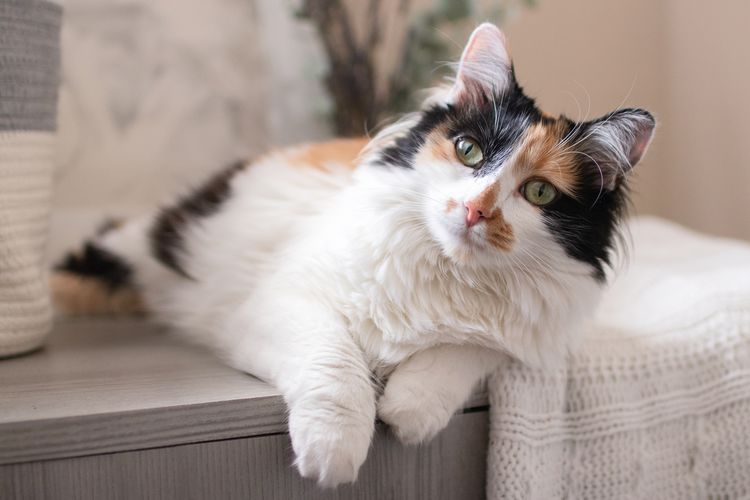
Calico Cat: Breed Profile, Characteristics & Care
Calico cats boast unique tri-color coats, and they are famous for being both spunky and sweet. Learn about the calico cat color pattern.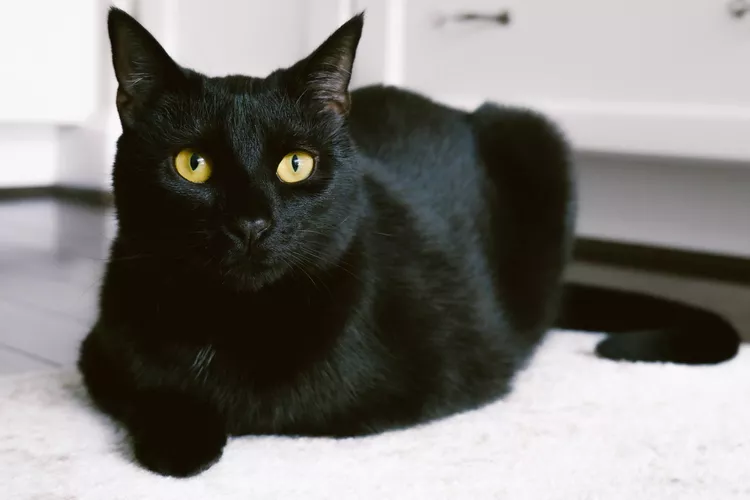
Bombay: Cat Breed Profile, Characteristics & Care
The Bombay cat, a mix of the Burmese and the American shorthair, features an all-black coat, a stocky build, and a friendly demeanor.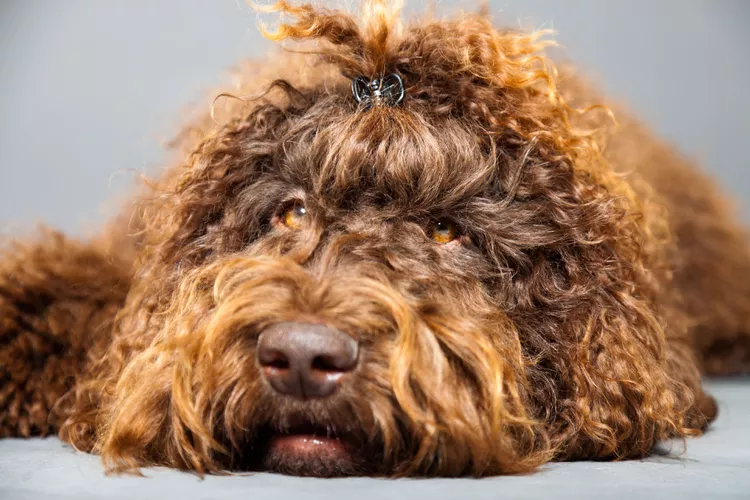
Barbet: Dog Breed Characteristics & Care
Learn about the barbet dog, a French hunting breed that's tough to find in the United States. It's known for its curly coat and calm demeanor.
Bichon Frise: Dog Breed Characteristics & Care
The bichon frise is a fluffy little white dog with a joyful personality. Learn more about its appearance, personality, history, care, and more.
Australian Kelpie: Dog Breed Characteristics & Care
The Australian kelpie is an intelligent, high-energy dog breed developed for herding. Learn about the Australian kelpie, including temperament, appearance, history, and care needs.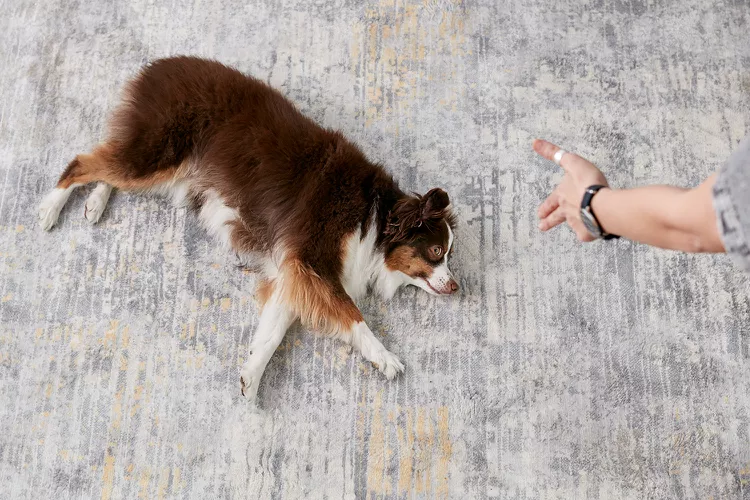
How to Teach Your Dog to Play Dead in 4 Steps
Playing dead is a fun dog trick that most dogs can pick up pretty quickly. Learn simple steps to teach your dog to play dead when you say "bang."
Different Meanings of a Dog's Wagging Tail
A dog wagging his tail is a common sight, but it may mean more than you think. Find out why dogs wag their tails and what canine tail wagging means.


