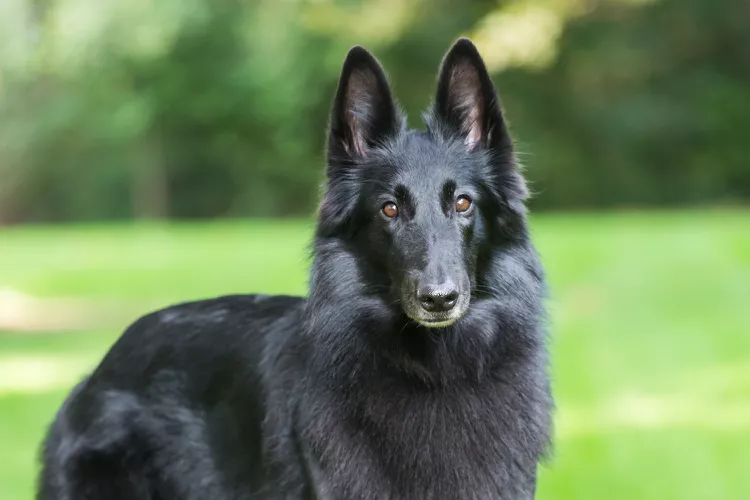
The Belgian Sheepdog is a medium-sized herding breed from Belgium with pointed ears, a long snout, elegant posture, and a thick double coat with coarse black fur. This breed is the epitome of a hard-working livestock dog. Highly trainable and extremely intelligent, Belgian Sheepdogs were designed to perform a job—but they also have a sensitive, gentle temperament that craves human companionship, making them ideal family dogs.
A strong-willed breed, the Belgian Sheepdog is often referred to as “bright-eyed and bushy-tailed." They are exceptionally loyal, tending to be workaholics who aim to please. These shepherds always give their all when participating in any sort of activity, whether it be working a farm or simply playing in the backyard with their favorite humans.
Group: Herding
Height: 22 to 26 inches
Weight: 55 to 75 pounds (males); 45 to 60 pounds (females)
Coat: Thick double coat with a dense undercoat and coarse outercoat
Coat Color: Black
Life Span: 12 to 14 years
Temperament: Alert, loyal, protective, intelligent, active
Hypoallergenic: No
Origin: Belgium
These eager, athletic dogs have high energy levels and require plenty of daily exercise. Belgian Sheepdogs are a great match for active families that plan to take their dog along on hikes, bike rides, runs, or any type of outdoor adventure. When it comes to children, these dogs have especially loving and protective personalities. Belgian Sheepdogs get along well with other pets, but their instincts may lead them to herd smaller animals or young kids around the house. Thankfully, this intelligent breed is easily trainable and can learn appropriate behaviors quickly with guidance from its owners.
Belgium’s terrain and climate are ideal for both livestock and dairy farming. Belgian farmers were once focused on cattle, and breeding herding dogs was an essential part of farm life. In fact, there were once eight varieties of shepherds unique to Belgium. These dogs were officially classified for the first time in the 1890s. Today, the remaining breeds include the Belgian Sheepdog (also known as the Groenendael or Chien de Berger Belge), Tervuren, Malinois, and Laekenois. These dogs are all anatomically identical, but with coats that vary in terms of texture, color, and length.
The Belgian Sheepdog is the solid-colored (black), long-haired variety. The name Groenendael was given to these dogs by a man named Nicolas Rose, a renowned breeder of the time who operated a restaurant near Brussels called the Chateau Groenendael. In fact, Rose is thought to have purchased the foundation couple that began the Belgian Sheepdog breed.
The Belgian Sheepdog was listed in the Chien de Berger de Races Continentales (Continental Shepherds), a group that also includes German Shepherds, Briards, Hollander Herders, Bouviers, and Beauceron. In the late 1800s, efforts were made to propagate a Belgian dog for nationalistic purposes. The Club du Chien de Berger Belge, or Belgian Shepherd Club, was created and ultimately led to the Belgian Sheepdog's development.
By the turn of the 20th century, Belgian Sheepdogs became well-known for their versatility and hard-working nature outside of Belgium. Both Paris and New York relied on the breed as police dogs in this era, and they were often employed by customs agents to help identify smugglers. During World War I, they worked as ambulance dogs, messengers, and freighters of heavy gunnery, then went on to serve as war dogs during World War II.
The Belgian Sheepdog Club of America was formed in 1949, and since that time, the breed has worked as police and service dogs, competed in dog shows, and performed search-and-rescue work. Alongside their jobs, Belgian Sheepdogs have also become known as loving, loyal family pets.
While the Belgian Sheepdog is typically easy to train, this dog needs considerable exercise every day to keep up with its high energy level. Owners should also prepare for routine grooming and two heavy shedding seasons each year.
Like other herding breeds, the Belgian Sheepdog needs a sufficient amount of exercise for up to two hours each day. These dogs do not enjoy lounging around the house; they are alert, active workers that thrive when given a job to do. Belgian Sheepdogs also crave time with their humans, so as an owner, it's essential to exercise with your dog.
Rather than letting this breed roam around the backyard by itself, great ways to provide physical and mental stimulation include games of fetch or practicing new tricks. The Belgian Sheepdog isn't an optimal choice for owners that work long hours outside the home. This breed is likely to become bored and possibly destructive in the house, and it can also develop separation anxiety. Sheepdog owners should also keep safety in mind, as these dogs are hardwired to chase sheep, so they won't hesitate to take off after animals, joggers and cyclists, or even cars—so leashed walks and fenced yards are must-haves.
When it comes to coat maintenance, the Belgian Sheepdog’s double coat—which consists of a dense undercoat and a coarser outer coat—is easier to maintain than you might think. However, it has a heavy shedding season once to twice each year that requires daily brushing to remove excess fur. Weekly brushings are sufficient during the rest of the year, along with occasional baths.
Like other dog breeds, you should also routinely trim your dog's nails, brush their teeth, and check their ears for dirt and debris buildup. Clean the ears as needed with an ear cleaner made specifically for dogs.
Along with participating in daily exercises with your Belgian Sheepdog, it's also important to start training this breed early. Basic obedience lessons can begin when puppies are about eight weeks of age. Further training should continue throughout the dog's life with consistency and positive reinforcement. Methods involving punishment are not recommended, as they can be harmful to your dog's sensitive personality and bring out their strong-willed nature.
Thanks to their intelligence, Belgian Sheepdogs excel at advanced training like agility sports, obedience competitions, tracking, and herding. They're eager to please their owners, and they do best when training is kept positive and fun. Reward your dog with treats and affection for desired behaviors.
The Belgian Sheepdog is a sturdy, robust breed that is generally healthy. Like other purebreds, it is still prone to a few inherited medical problems. Responsible breeders strive to maintain high standards and test parent dogs before breeding. The Belgian Sheepdog Club of America notes that these dogs can be particularly sensitive to anesthesia, so your veterinarian should take precautions should the need for surgery ever arise.
Common conditions associated with the Belgian Sheepdog include:
The Belgian Sheepdog does well on a diet of high-quality dog food, either manufactured or prepared at home under veterinarian supervision. Fresh, clean water should be available at all times for this energetic breed.
Since these dogs are so active, they're less likely to become obese than other breeds. However, it's best to limit treats if you notice your dog gaining too much weight. Ask your veterinarian to help you determine a healthy meal plan based on your dog's age, weight, and activity level.
Like other shepherd breeds from Belgium, the Belgian Sheepdog requires a serious commitment from its owners to be a well-mannered and happy companion. These dogs can end up in shelters when their families are not prepared for the time and dedication they require. If you're interested in adopting a Belgian Sheepdog, contact your local shelter to find rescue dogs and breed-specific rescues within your region.
When adopting a Belgian Sheepdog as a puppy, it's essential to do your research and work with a responsible breeder. You should be provided with the litter's family medical history, allowed to meet their parents, and able to see that the dogs are raised in a comfortable indoor location. Belgian Sheepdog puppies typically cost between $1,500 and $3,000, but prices may be higher or lower depending on pedigree and availability.
To start your search, check out resources like the national breed club, breed-specific rescues, and the AKC:
Intelligent, easily trainable
Loyal and affectionate with family
Hardworking, up for any activity
Very high exercise needs
Prone to separation anxiety
Can become destructive if left alone
If you love the Belgian Sheepdog, you might also like these similar breeds:
There are plenty of dog breeds out there that can join your family. With a little research, you can find the right one to bring home!
While Belgian Sheepdogs can be great companions for experienced owners, this breed is not recommended for novice families. As herding dogs, they have very high exercise needs, require significant training, and can become destructive when left alone.
Belgian Sheepdogs are typically not aggressive, but they must be socialized consistently throughout puppyhood to be friendly with other animals and strangers as adults.
German Shepherds and Belgian Sheepdogs may look similar, but Belgian Sheepdogs have longer, thicker fur and are smaller in size. As their names indicate, these dogs are separate breeds from Germany and Belgium.

Swollen Lymph Nodes in Dogs
Dogs' lymph node glands may become enlarged due to infection or disease. Learn the causes, treatment, and prevention.
What Is Spaying? All About the Procedure in Dogs
What is a spay? Should you have your dog spayed? Learn what it means to spay a dog, a procedure also known as an ovariohysterectomy.
Can Dogs Eat Popsicles?
You might be wondering can dogs eat popsicles? Certain types of frozen treats are safe for your dog, but you need to be aware of ingredients and allergies
Can Dogs Drink Milk?
Dogs can have milk, providing they are not lactose intolerant. It should really only be given in small quantities though
Can My Dog Eat Tomatoes?
You'll want to keep Fido out of your garden since the tomato plant is toxic, but you can safely offer him ripe tomatoes as a nutrient-packed treat.
Can Dogs Taste Spicy Flavors?
While dogs and humans experience some flavors differently, dogs do taste spicy flavors and in some cases, this can be harmful for them.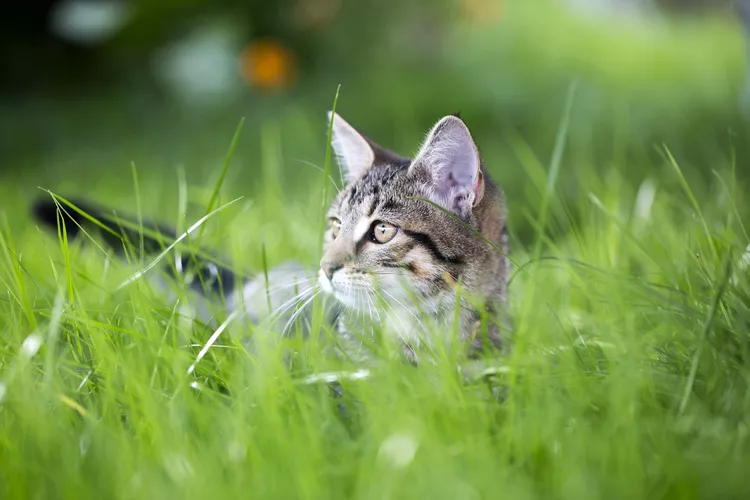
Should You Allow Your Indoor Cat to Go Outside?
Here are pros, cons, and safety considerations for allowing indoor cats to explore outdoors and the indoor vs outdoor cats debate, plus safety tips.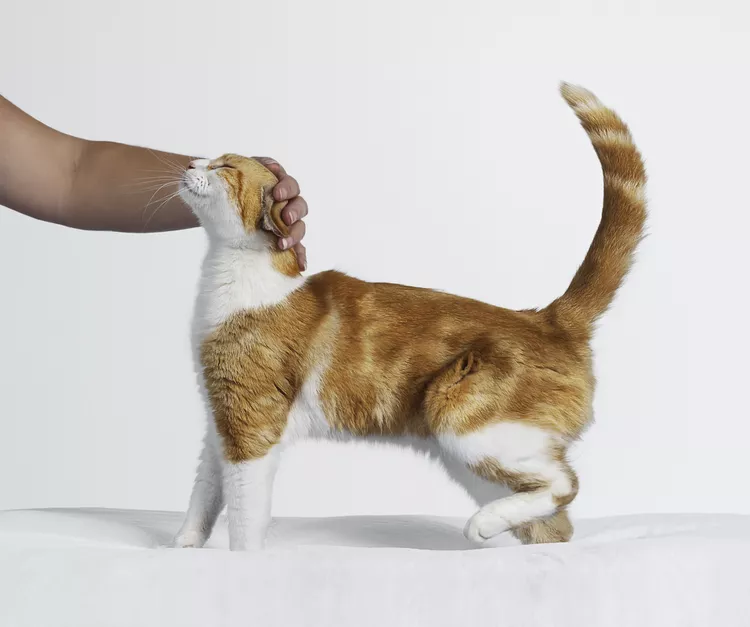
Can My Spayed Cat Still Be in Heat?
If your cat was spayed but appears to be in heat, the condition may be caused by several factors. Learn about them here.
How to Keep Cats Cool in Summer
Summertime means heat and with increased temperatures, you have an increased risk of heatstroke in cats. Find out how to prevent heatstroke and keep your cat cool in the summer.
Taurine for Cats
Taurine is an essential animal protein in your cat's diet. Learn more about the various ways it supports your feline's body.
Why Is My Cat Always Hungry and Meowing?
A cat can act like it is always hungry, and there may be a medical reason for this. Learn what behavior is normal and when to see your veterinarian.
Elf Cat: Breed Profile, Characteristics & Care
Elf cats are a new, rare cross between a sphynx and American curl with curly ears and a playful personality.
Maine Coon Cat: Breed Profile, Characteristics & Care
The Maine Coon cat is of the largest cat breeds in the world. These amiable, gentle cats make great companions. Learn about the Maine Coon cat breed's appearance, temperament, health, and care needs.
Calico Cat: Breed Profile, Characteristics & Care
Calico cats boast unique tri-color coats, and they are famous for being both spunky and sweet. Learn about the calico cat color pattern.
Bombay: Cat Breed Profile, Characteristics & Care
The Bombay cat, a mix of the Burmese and the American shorthair, features an all-black coat, a stocky build, and a friendly demeanor.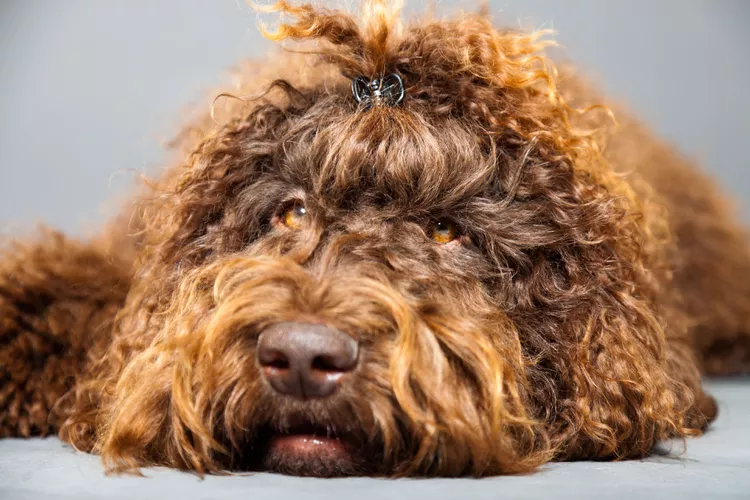
Barbet: Dog Breed Characteristics & Care
Learn about the barbet dog, a French hunting breed that's tough to find in the United States. It's known for its curly coat and calm demeanor.
Bichon Frise: Dog Breed Characteristics & Care
The bichon frise is a fluffy little white dog with a joyful personality. Learn more about its appearance, personality, history, care, and more.
Australian Kelpie: Dog Breed Characteristics & Care
The Australian kelpie is an intelligent, high-energy dog breed developed for herding. Learn about the Australian kelpie, including temperament, appearance, history, and care needs.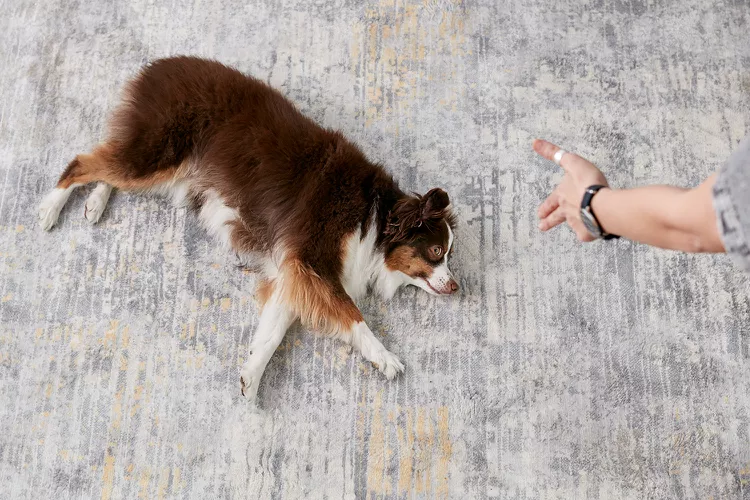
How to Teach Your Dog to Play Dead in 4 Steps
Playing dead is a fun dog trick that most dogs can pick up pretty quickly. Learn simple steps to teach your dog to play dead when you say "bang."
Different Meanings of a Dog's Wagging Tail
A dog wagging his tail is a common sight, but it may mean more than you think. Find out why dogs wag their tails and what canine tail wagging means.


:strip_icc():format(webp)/GettyImages-521907767-e2a668165652483fb92d0b2ab8a7269b.jpg)
:strip_icc():format(webp)/GettyImages-977898246-1942d4364fa64bd2ba792a86f4f24715.jpg)