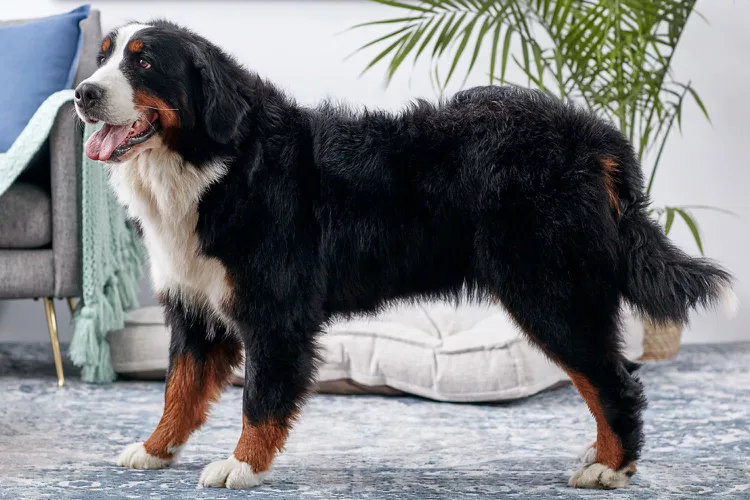
The Bernese mountain dog is a large working dog breed from Switzerland who these days make loyal, loving companions for adults, children, and other pets.
Tri-colored Berners are playful and energetic but not exhausting. Although they are a big breed, they aren't as intimidating as some other large dogs, thanks to their happy expressions and generally good natures.
As lovely as they are, Bernese mountain dogs aren't for everyone. The breed features its fair share of barkers, and their thick coats shed plenty of fur so you'll need to prepare for regular grooming sessions.
Learn more about the Bernese mountain dog:
GROUP: Working
HEIGHT: 23 to 26 inches (female), 25 to 27.5 inches (male)
WEIGHT: 70 to 95 pounds (female), 80 to 115 pounds (male)
COAT: Thick, medium-length double coat
COAT COLOR: Black, rust, and white or black, tan, and white
LIFE SPAN: 7 to 10 years
TEMPERAMENT: Gentle, even-tempered, loyal
HYPOALLERGENIC: No
ORIGIN: Switzerland
Bernese mountain dogs typically have a good-natured personality. Hallmarks of their temperament include their gentle nature and eagerness to please, which make them excellent house dogs. With proper socialization, they can be open to meeting strangers and are quite affectionate with their families. They make good watchdogs, though some can bark more than you might desire.
Berners are intelligent dogs who are quite trainable, and while any dog should undergo thorough obedience training in puppyhood, it is especially important with a large breed like the Bernese mountain dog. Although gentle, these dogs can be playful and exuberant, and their size means they might accidentally knock over a child, or even an adult, should they jump up in greeting or get too energetic while playing.
Because of their outgoing personalities and devotion to their family, Berners don't like to be left alone for too long. This isn't the right breed for you if you work long hours and expect a dog who can remain happily alone at home.
The Bernese mountain dog originated in Switzerland around the city of Berne, for which it is named. Today, the Berner is one of four varieties of Swiss mountain dog, set apart by their longer, silkier coat. The other three varieties are the Greater Swiss mountain dog, the Entlebucher mountain dog, and the Appenzeller Sennenhund.
In the 1800s, these dogs were used to drive livestock, guard farms, and pull heavy loads. They also were loving companions to their families. The breed declined in popularity toward the end of the 1800s because machines replaced much of their work. However, that spurred the formation of a Swiss club to preserve the breed and revive its popularity.
Berners arrived in the U.S. in the early 1900s. And the American Kennel Club first recognized the breed in 1937. They’re now regularly one of the most popular dog breeds in the country—No. 22 on the 2022 list of the United States' most popular dog breeds.
Bernese mountain dogs require a moderate amount of exercise, along with consistent training and socialization, to be happy and healthy dogs. Their grooming is fairly straightforward, though you should be prepared for lots of loose fur and occasional strings of drool.
Berners have a moderate energy level, but they need space for their big bodies to move and play. So you'll probably need a yard.
Aim for a minimum of 30 minutes of moderate-intensity exercise every day, such as walks, hikes, games of fetch, or trips to the dog park. Berners are quite athletic dogs and can compete in canine sports, such as obedience, agility, tracking, and carting. Those challenge them mentally and physically, and the competitions can be lots of fun for you both.
If you live in an apartment or a home without a yard, then it is even more important to make sure your Bernese mountain dog enjoys daily outdoors time or other forms of activity (like doggy daycare). Your Berner will likely love playdates with fellow friendly, outgoing dogs, too, as long as they are matched in size and strength.
The Berner has a double coat (a shorter undercoat paired with a longer outer coat) that repels dirt and insulates them from the cold, snowy Swiss winters. But Berners shed a lot, especially when the weather changes in the spring and fall. Brush your dog thoroughly at least weekly—daily during shedding season—to remove loose fur and prevent mats and tangles.
Begin brushing your Berner as a puppy so they become accustomed to regular grooming; many dogs will even look forward to their grooming sessions if you make it a habit when they are still young.
Bathe your dog roughly every month, depending on how dirty they get. At least check to see whether they need a nail trim monthly as well. Also, examine your dog's ears weekly to see whether they need cleaning. Look for dirt, redness, swelling, or smell in the ears. Dogs with floppy ears, like the Berner, can be more prone to ear infections than dogs with upright ears.
Finally, many Bernese mountain dogs drool little, but those with loose jowls can drool quite a bit. That slobber can end up on the dog, in the house, and on you. So if you have a drooler, keep a cleanup cloth on hand to prevent the drool from embedding in your dog's fur. And as with any dog, try to brush your Berner's teeth regularly to prevent the buildup of tartar that can lead to gum disease.
Bernese mountain dogs are bright and eager to please, which helps make training easy. Start basic obedience and socialization when your dog is a puppy, teaching them to sit, stay, and lie down on cue. This is especially important for such a large breed like a Berner, as adults are powerful and difficult to control if they haven’t learned their manners. Aim to expose your dog to different people, other animals, and various situations to boost their comfort and confidence.
Berners respond well to consistent positive reinforcement training techniques, such as clicker training. Like many other large breeds, Berners take longer to reach full physical and mental maturity, so always be patient with your pet and remember that multiple short training sessions each day—just five minutes or so—are more effective than one long session.
Like other large breeds, Bernese mountain dogs have relatively short lifespans (seven to 10 years), which is something to take into consideration before deciding to bring one home. Berners are prone to certain conditions, including:
Always have fresh water available for your dog, and select a quality, nutritionally balanced canine diet. Berner puppies especially will benefit from a diet made for large breeds. These diets contain the proper nutrition to encourage slow and steady growth to help prevent joint problems and other issues.
Most owners feed meals twice per day. Discuss the diet and quantity with your veterinarian to ensure your dog is eating properly. Make sure treats and extra food don’t lead to your dog becoming overweight. Excess weight can put a great deal of stress on these big dogs’ joints and lead to other health problems.
Check local animal shelters and breed-specific rescue organizations for a Berner in need of a home. If you’re looking for a breeder puppy, expect to pay around $2,000 to $3,000, though this can vary depending on bloodline and other factors. To find a Berner, check out:
While they're loving, friendly dogs, Bernese mountain dogs aren't for everyone. Here's a pros and cons list to help you decide whether you should bring home a Berner.
Pros:
Cons:
Before you decide on a Bernese mountain dog, be sure to do plenty of research. Talk to other Berner owners, vets, reputable breeders, and rescue groups to learn more.
If you’re interested in similar large breeds, check out:
There’s a whole world of potential dog breeds out there—with a little research, you can find the right one to bring home!
Yes, the Bernese mountain dog is a high-maintenance breed because of their shedding and size. These dogs need frequent brushing and the drool-prone ones need a slobber rag. They're also big enough that owners have to make sure they're not knocking over people or furniture. It's a lot to keep an eye on.
Berner puppies are expensive—costing $2,000–$3,000 or more—because responsible breeders have to screen for health issues, pay for vet visits, and set up the actual breeding, according to the Bernese Mountain Dog Club of America. Plus, some dogs may come from well-regarded bloodlines, driving the price up even further.
Berners are great dogs, but they're not for everyone. You shouldn't get a Bernese mountain dog if you don't have access to a yard or frequent exercise; if you're allergic to pet dander; if you're not at home frequently; and if you don't have time to train the dog.

Swollen Lymph Nodes in Dogs
Dogs' lymph node glands may become enlarged due to infection or disease. Learn the causes, treatment, and prevention.
What Is Spaying? All About the Procedure in Dogs
What is a spay? Should you have your dog spayed? Learn what it means to spay a dog, a procedure also known as an ovariohysterectomy.
Can Dogs Eat Popsicles?
You might be wondering can dogs eat popsicles? Certain types of frozen treats are safe for your dog, but you need to be aware of ingredients and allergies
Can Dogs Drink Milk?
Dogs can have milk, providing they are not lactose intolerant. It should really only be given in small quantities though
Can My Dog Eat Tomatoes?
You'll want to keep Fido out of your garden since the tomato plant is toxic, but you can safely offer him ripe tomatoes as a nutrient-packed treat.
Can Dogs Taste Spicy Flavors?
While dogs and humans experience some flavors differently, dogs do taste spicy flavors and in some cases, this can be harmful for them.
Should You Allow Your Indoor Cat to Go Outside?
Here are pros, cons, and safety considerations for allowing indoor cats to explore outdoors and the indoor vs outdoor cats debate, plus safety tips.
Can My Spayed Cat Still Be in Heat?
If your cat was spayed but appears to be in heat, the condition may be caused by several factors. Learn about them here.
How to Keep Cats Cool in Summer
Summertime means heat and with increased temperatures, you have an increased risk of heatstroke in cats. Find out how to prevent heatstroke and keep your cat cool in the summer.
Taurine for Cats
Taurine is an essential animal protein in your cat's diet. Learn more about the various ways it supports your feline's body.
Why Is My Cat Always Hungry and Meowing?
A cat can act like it is always hungry, and there may be a medical reason for this. Learn what behavior is normal and when to see your veterinarian.
Elf Cat: Breed Profile, Characteristics & Care
Elf cats are a new, rare cross between a sphynx and American curl with curly ears and a playful personality.
Maine Coon Cat: Breed Profile, Characteristics & Care
The Maine Coon cat is of the largest cat breeds in the world. These amiable, gentle cats make great companions. Learn about the Maine Coon cat breed's appearance, temperament, health, and care needs.
Calico Cat: Breed Profile, Characteristics & Care
Calico cats boast unique tri-color coats, and they are famous for being both spunky and sweet. Learn about the calico cat color pattern.
Bombay: Cat Breed Profile, Characteristics & Care
The Bombay cat, a mix of the Burmese and the American shorthair, features an all-black coat, a stocky build, and a friendly demeanor.
Barbet: Dog Breed Characteristics & Care
Learn about the barbet dog, a French hunting breed that's tough to find in the United States. It's known for its curly coat and calm demeanor.
Bichon Frise: Dog Breed Characteristics & Care
The bichon frise is a fluffy little white dog with a joyful personality. Learn more about its appearance, personality, history, care, and more.
Australian Kelpie: Dog Breed Characteristics & Care
The Australian kelpie is an intelligent, high-energy dog breed developed for herding. Learn about the Australian kelpie, including temperament, appearance, history, and care needs.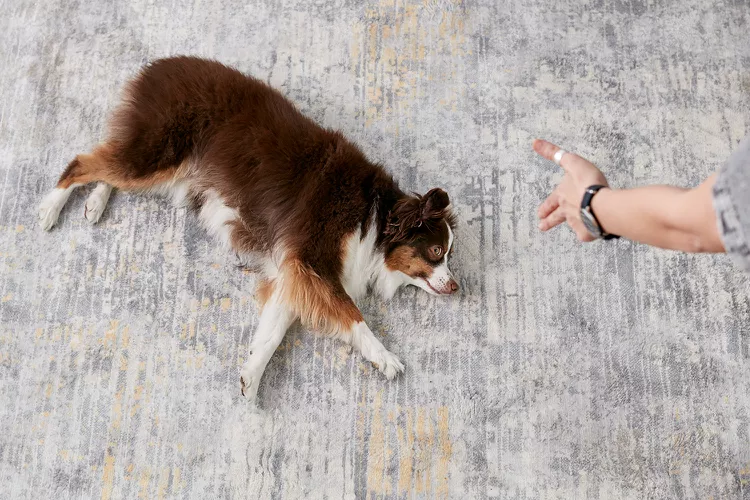
How to Teach Your Dog to Play Dead in 4 Steps
Playing dead is a fun dog trick that most dogs can pick up pretty quickly. Learn simple steps to teach your dog to play dead when you say "bang."
Different Meanings of a Dog's Wagging Tail
A dog wagging his tail is a common sight, but it may mean more than you think. Find out why dogs wag their tails and what canine tail wagging means.


