
The Field spaniel is a medium-sized sporting breed from England with a silky coat, an athletic body, feathered fur on its legs and tail, and curly sections on its floppy ears. As close cousins to Cocker spaniels and Springer spaniels, these dogs were originally bred to hunt game in England's vast fields.
You're more likely to see today's Field spaniels at the dog show rather than on hunting grounds, but modern Field spaniels have certainly retained their ancestors' high energy levels, playfulness, loyalty, and intelligence—making them a perfect pick for active families. This affectionate breed is always up for an adventure as long as it's by its owner's side.
Group: Sporting
Height: 18 inches (males); 17 inches (females)
Weight: 35 to 50 pounds
Coat: Dense, water-repellent, long, and either wavy or straight
Coat Color: Black, liver, golden, golden liver, or roan
Life Span: 12 to 13 years
Temperament: Companionable, active, alert, friendly, lively
Hypoallergenic: No
Origin: England
Field spaniels are very loving dogs, and they develop strong bonds with their people. In general, they're friendly with dogs, other pets, and strangers, but it's still smart for owners to properly socialize any dog breed early on.
Field spaniels were bred to hunt, and they have plenty of energy that pairs best with owners who exercise often. Because they need plenty of space to run around, these spaniels aren't recommended for people living in apartments, condos, or homes without backyards; without enough activity, they can become bored, which often leads to mischievous or destructive behavior. However, for the right people, this breed is a devoted companion that's easy to train.
Unlike the breeders of many hunting dogs, the original Field spaniel breeders in 19th century England actually preferred all black dogs. Most hunters prefer dogs with white markings so they can easily be seen in the field. However, the Field spaniel was also bred to be a show dog while maintaining its excellent hunting skills. All-black litters were ideal for canine competitions.
For many years, different types of spaniels were categorized by their weight. If a single puppy from a litter weighed over 25 pounds, it was considered a Field spaniel; if the puppy weighed under 25 pounds, it was considered a Cocker spaniel. It wasn't until 1901 that breeders developed clear distinctions between the two types of dogs.
The American Kennel Club registered its very first Field spaniel in 1894. A few years later, a devastating fire wiped out a Field spaniel breeding kennel, which essentially wiped out the population in the United States. Another Field spaniel wasn't registered with the AKC until 1930.
In 1967, three Field spaniels were imported to the United States. Along with a few subsequent imports, this raised the Field spaniel population in the United States slightly, but it's still a very rare dog breed in North America.
Thanks to their long history as sporting dogs, Field spaniels need lots of physical activity to expel their energy. Owners should prepare for daily exercise along with standard grooming. When it comes to training, these intelligent dogs are eager to please and learn quickly.
Field spaniels are active, high-energy dogs that need two to three hours of exercise every day. Frequent walks, runs, and swims are great ways for owners to keep these dogs active, but games that challenge their minds can also keep them mentally stimulated.
Consider teaching your dog to fetch, using puzzle toys, and playing games like hide-and-seek (either to find treats or family members around the house). Remember to always keep your Field spaniel in an enclosed, fenced-in area when playing outdoors—today's spaniels retain their drive to hunt, and they may take off to chase small animals.
Despite the Field spaniel's long, dense coat, its grooming needs are relatively low-maintenance compared to other spaniels. This breed should be brushed often and bathed as needed. If your dog develops knots, tangles, or mats, gently remove them with your fingers and brush them out with a pin brush. For especially tough tangles, try spritzing your dog's coat with a gentle leave-in conditioner spray.
Like all breeds, the Field spaniel's teeth should be brushed regularly. Daily brushing is ideal, but a few times per week can still help protect their teeth and gums from oral disease and plaque buildup. Dental chews are fine in moderation, but shouldn't be the only method of dental care.
Check your dog's ears weekly for build-up and debris. Dogs with floppy ears are especially prone to ear infections. Clean your dog's ears as needed with a pet-safe ear cleaner and a cotton ball. Avoid using cotton swabs, which can damage the delicate inner-ear structure.
The Field spaniel is typically easy to train, and basic obedience lessons can begin when puppies are about eight weeks old. Like most breeds, these dogs respond best to positive reinforcement training methods. Reward your dog with treats, affection, and playtime when it performs desirable behaviors. Avoid methods that involve punishment, as they can be harmful to a dog's sensitive personality and lead it to resist training or become afraid of its owners.
Since Field spaniels are so athletic, they also excel in canine sports like agility training and obedience competitions. Advanced training for these activities will keep your dog's mind stimulated and can continue throughout its life.
Field spaniels are generally healthy dogs, but like most purebreds, they're still susceptible to a few inherited health problems. Responsible breeders strive to maintain high standards by testing prospective parent dogs before breeding. When adopting a puppy, ask your breeder to provide the litter's medical background.
The following health conditions are commonly associated with Field spaniels:
Feed your Field spaniel one and a half to two cups of high-quality dog food divided into two meals each day. Since these dogs are so active, they can usually have a few extra treats—just be sure to monitor your dog's weight and avoid overfeeding, which can lead to canine obesity and other serious health problems.
Dogs need different nutrients at different stages of life to maintain their health. Talk to your veterinarian to determine the best meal plan for your Field spaniel based on its age, weight, and activity level.
Because Field spaniels are rare in the United States, they're not likely to be found at local shelters. However, shelters in your area can introduce you to similar spaniels in need of forever homes. They may also recommend breed-specific rescues in different regions to help you locate a Field spaniel elsewhere.
When adopting puppies from breeders, it's essential to do your research. Your breeder should readily provide you with the medical background of the litter's parents. Prospective adopters should also be allowed to meet the parent dogs and see that they're kept in a comfortable, safe indoor location. Look for signs of backyard breeding like unhealthy dogs, several litters at a time, or unsanitary conditions. Field spaniel puppies typically cost between $2,000 and $5,000 from breeders, but prices can vary depending on their pedigree and availability.
The following resources for the national breed club, breed-specific rescues, and the AKC can help you start your search:
Intelligent and trainable
Loving and loyal to family
Low-maintenance grooming
Very high energy; needs vigorous exercise daily
Not recommended for apartments, condos, or small spaces
Can become destructive if left alone
If you love the Field spaniel, you may also like these similar breeds:
There are plenty of different dog breeds out there that can join your family. With a little research, you can find the right one to bring home!
With their loving, affectionate, and trainable nature, Field spaniels make wonderful family pets for the right owners. However, these dogs have extremely high exercise needs, so it's essential for potential adopters to have active lifestyles.
While they come from the same ancestry, Cocker spaniels and Field spaniels are two separate dog breeds from England. Cocker spaniels are smaller, and originally, these breeds were distinguished purely based on size.
Field spaniels are very intelligent dogs that pick up new skills easily. They can be trained to hunt, retrieve, and even compete in agility sports, but they're also quick to learn obedience when it comes to basic dog training.

Swollen Lymph Nodes in Dogs
Dogs' lymph node glands may become enlarged due to infection or disease. Learn the causes, treatment, and prevention.
What Is Spaying? All About the Procedure in Dogs
What is a spay? Should you have your dog spayed? Learn what it means to spay a dog, a procedure also known as an ovariohysterectomy.
Can Dogs Eat Popsicles?
You might be wondering can dogs eat popsicles? Certain types of frozen treats are safe for your dog, but you need to be aware of ingredients and allergies
Can Dogs Drink Milk?
Dogs can have milk, providing they are not lactose intolerant. It should really only be given in small quantities though
Can My Dog Eat Tomatoes?
You'll want to keep Fido out of your garden since the tomato plant is toxic, but you can safely offer him ripe tomatoes as a nutrient-packed treat.
Can Dogs Taste Spicy Flavors?
While dogs and humans experience some flavors differently, dogs do taste spicy flavors and in some cases, this can be harmful for them.
Should You Allow Your Indoor Cat to Go Outside?
Here are pros, cons, and safety considerations for allowing indoor cats to explore outdoors and the indoor vs outdoor cats debate, plus safety tips.
Can My Spayed Cat Still Be in Heat?
If your cat was spayed but appears to be in heat, the condition may be caused by several factors. Learn about them here.
How to Keep Cats Cool in Summer
Summertime means heat and with increased temperatures, you have an increased risk of heatstroke in cats. Find out how to prevent heatstroke and keep your cat cool in the summer.
Taurine for Cats
Taurine is an essential animal protein in your cat's diet. Learn more about the various ways it supports your feline's body.
Why Is My Cat Always Hungry and Meowing?
A cat can act like it is always hungry, and there may be a medical reason for this. Learn what behavior is normal and when to see your veterinarian.
Elf Cat: Breed Profile, Characteristics & Care
Elf cats are a new, rare cross between a sphynx and American curl with curly ears and a playful personality.
Maine Coon Cat: Breed Profile, Characteristics & Care
The Maine Coon cat is of the largest cat breeds in the world. These amiable, gentle cats make great companions. Learn about the Maine Coon cat breed's appearance, temperament, health, and care needs.
Calico Cat: Breed Profile, Characteristics & Care
Calico cats boast unique tri-color coats, and they are famous for being both spunky and sweet. Learn about the calico cat color pattern.
Bombay: Cat Breed Profile, Characteristics & Care
The Bombay cat, a mix of the Burmese and the American shorthair, features an all-black coat, a stocky build, and a friendly demeanor.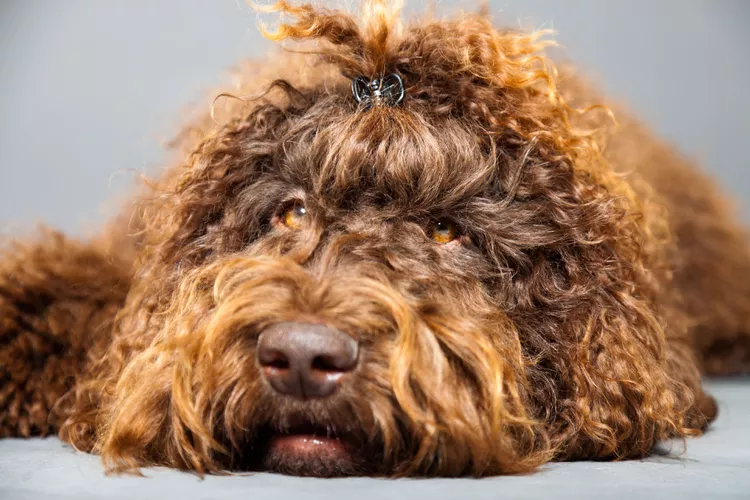
Barbet: Dog Breed Characteristics & Care
Learn about the barbet dog, a French hunting breed that's tough to find in the United States. It's known for its curly coat and calm demeanor.
Bichon Frise: Dog Breed Characteristics & Care
The bichon frise is a fluffy little white dog with a joyful personality. Learn more about its appearance, personality, history, care, and more.
Australian Kelpie: Dog Breed Characteristics & Care
The Australian kelpie is an intelligent, high-energy dog breed developed for herding. Learn about the Australian kelpie, including temperament, appearance, history, and care needs.
How to Teach Your Dog to Play Dead in 4 Steps
Playing dead is a fun dog trick that most dogs can pick up pretty quickly. Learn simple steps to teach your dog to play dead when you say "bang."
Different Meanings of a Dog's Wagging Tail
A dog wagging his tail is a common sight, but it may mean more than you think. Find out why dogs wag their tails and what canine tail wagging means.


:strip_icc():format(webp)/english-dog-breeds-4788340-hero-14a64cf053ca40f78e5bd078b052d97f.jpg)
:strip_icc():format(webp)/CavalierKingCharlesSpanielTaraGreggEyeEm-2b447e19d3db4515a19cfcac3247deb5.jpg)