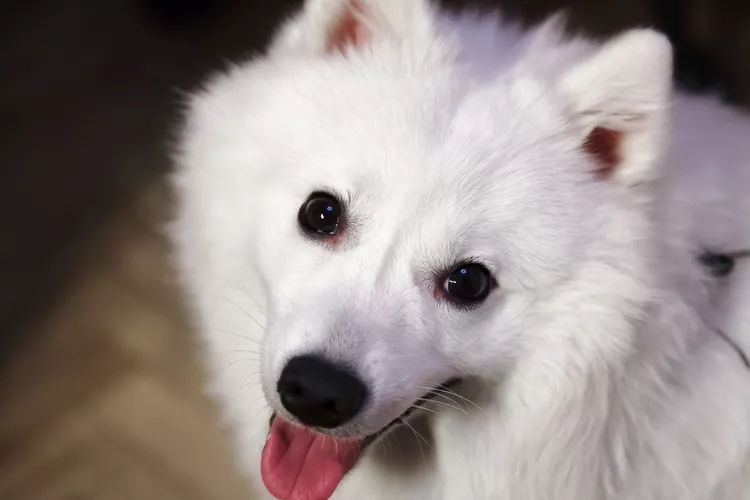
The Japanese spitz is a small companion breed developed in Japan with a white, fluffy coat. Spitz breeds, also called Northern breeds, are a type of dog commonly found in cold and snowy regions. Like most spitz breeds, the Japanese spitz has a thick double coat, a wedge-shaped head, upright triangular ears, and a long tail that curls up and over the back.
The friendly and fun-loving Japanese spitz is the consummate family dog. Cheerful, quiet, and clean, they are ideal house dogs, which is a good thing because there is nothing they want more than to be inside with their families. The Japanese spitz’s small size and moderate energy level make it an ideal apartment dog. Most Japanese spitz get along great with other dogs, cats, and respectful children.
Group: Non-Sporting
Weight: 10 to 25 pounds
Height: 12 to 15 inches tall at the shoulder
Coat: A straight and stand-off outer coat paired with a short, soft, dense undercoat
Coat Color: Pure white
Lifespan: 12 to 14 years
Temperament: Playful
Hypoallergenic: No
Origin: Japan
Japanese spitz are happy, little dogs that make wonderful companions, especially for your kids! They have a gentle temperament, are easy to train, and are perfectly content in a smaller home or apartment.
These fluffy friends are smart and a great deal of fun. Please note: these small dogs have a louder bark than you'd imagine, so don't be startled when you hear it.
The Japanese spitz was developed in Japan in the 1920s and 1930s by crossbreeding other spitz-type dogs that were imported from various locations, including Australia, Canada, China, Siberia, and the United States. After several decades of crossbreeding the various spitz breeds, a small, fluffy, white spitz breed was recognized in 1948 and called the Japanese spitz. Although records of the specific breeding program were kept, they were destroyed during World War II, so the exact details are unknown. The breeds thought to be used for the development of the Japanese spitz include white German spitz, klein wolfsspitz (also known as the Keeshond), and various miscellaneous white spitz-type breeds.
In the United States, the Japanese spitz is recognized by the United Kennel Club, where it is part of the Northern Breeds group. The Japanese spitz is also part of the Foundation Stock Service in the American Kennel Club, which is the first step toward eventual full recognition. The breed is also recognized by the Canadian Kennel Club (Non-Sporting Dogs group), the Japan Kennel Club, and the international kennel club Fédération Cynologique International.
The Japanese spitz’s thick, fluffy, luxurious white coat is surprisingly easy to care for. No trimming is required and the dog tends to look and feel clean with only occasional baths, as the hair naturally repels dirt.
Although Japanese spitz have plenty of energy, they don’t need huge amounts of exercise. A Japanese spitz enjoys daily walks, so couple these with some play sessions in the backyard, and your dog will be happy. If you live in an apartment, it’s especially important to get your Japanese spitz out of the house for walks and exploration. The Japanese spitz's small size makes it very portable, and they love to accompany their people on excursions outside the house.
Twice a year, the Japanese spitz experiences a seasonal heavy shed, losing much of its undercoat over the course of a few weeks. Often called blowing coat, some extra brushing is needed during this time to cut down on how much hair ends up on your furniture and clothing. However, the rest of the year, the Japanese spitz sheds less than you might think and requires only weekly brushing. Keep its nails short by trimming them weekly or every other week. Inspect your Japanese spitz’s ears weekly and clean with a pet ear cleaner when they look dirty. It is also good to pay attention to dental hygiene and brush your dog's teeth two to three times per week.
The Japanese spitz is very smart, and this breed wants to please, so they can be easy to train as long as you find the right motivation. Some Japanese spitz might do anything for a tasty treat; others might be more motivated by their favorite toy. Keep training sessions short and sweet, always ending on a positive note. It’s important to start socializing your spitz early in puppyhood to avoid excessive shyness and nervousness about new people, places, and things. Although they are small, resist the urge to baby your dog and carry it everywhere—let it walk on its own four paws and experience the world up close and personal. This will allow your spitz to develop the confidence needed to be a well-adjusted adult dog.
The Japanese spitz is an extremely healthy breed with a long lifespan. Reputable breeders have their adult Japanese spitz evaluated for luxating patellas to avoid passing on this issue, which is known to occasionally appear in the breed.
Feed your Japanese spitz a high-quality dog food (ask your breeder or veterinarian for a recommendation) and be sure to portion out meals with a measuring cup or scale to avoid overfeeding. Free feeding (leaving food out all day) can lead to weight gain; feeding scheduled meals twice a day is healthier. Being overweight can exacerbate joint issues, and lead to other health problems like diabetes.
The Japanese spitz is a rare breed in North America. Some adults might find their way into rescue, but usually, people wanting to bring home a Japanese spitz will be buying a puppy from a reputable breeder. The Japanese Spitz Club of the USA publishes a directory of breeders on its website. Be prepared to get on a waiting list, as there aren't many Japanese spitz breeders in North America.
Good apartment dog
Clean, easy-care coat
Friendly with people and pets
May be wary of strangers
Some may be problem barkers
Doesn’t do well alone
If you like the Japanese spitz, you might also like these breeds:
Otherwise, check out all of our other dog breed articles to help you find the perfect dog for you and your family.
Yes! These friendly little fur beasts can have a hard time when they are left alone. Owners must be mindful of this when they adopt this breed.
No, it is very rare that this breed would be any color other than pure white.
You're not seeing things, it does! It has longer hair around its head, neck, and shoulders, and both genders have this fur pattern.

Swollen Lymph Nodes in Dogs
Dogs' lymph node glands may become enlarged due to infection or disease. Learn the causes, treatment, and prevention.
What Is Spaying? All About the Procedure in Dogs
What is a spay? Should you have your dog spayed? Learn what it means to spay a dog, a procedure also known as an ovariohysterectomy.
Can Dogs Eat Popsicles?
You might be wondering can dogs eat popsicles? Certain types of frozen treats are safe for your dog, but you need to be aware of ingredients and allergies
Can Dogs Drink Milk?
Dogs can have milk, providing they are not lactose intolerant. It should really only be given in small quantities though
Can My Dog Eat Tomatoes?
You'll want to keep Fido out of your garden since the tomato plant is toxic, but you can safely offer him ripe tomatoes as a nutrient-packed treat.
Can Dogs Taste Spicy Flavors?
While dogs and humans experience some flavors differently, dogs do taste spicy flavors and in some cases, this can be harmful for them.
Should You Allow Your Indoor Cat to Go Outside?
Here are pros, cons, and safety considerations for allowing indoor cats to explore outdoors and the indoor vs outdoor cats debate, plus safety tips.
Can My Spayed Cat Still Be in Heat?
If your cat was spayed but appears to be in heat, the condition may be caused by several factors. Learn about them here.
How to Keep Cats Cool in Summer
Summertime means heat and with increased temperatures, you have an increased risk of heatstroke in cats. Find out how to prevent heatstroke and keep your cat cool in the summer.
Taurine for Cats
Taurine is an essential animal protein in your cat's diet. Learn more about the various ways it supports your feline's body.
Why Is My Cat Always Hungry and Meowing?
A cat can act like it is always hungry, and there may be a medical reason for this. Learn what behavior is normal and when to see your veterinarian.
Elf Cat: Breed Profile, Characteristics & Care
Elf cats are a new, rare cross between a sphynx and American curl with curly ears and a playful personality.
Maine Coon Cat: Breed Profile, Characteristics & Care
The Maine Coon cat is of the largest cat breeds in the world. These amiable, gentle cats make great companions. Learn about the Maine Coon cat breed's appearance, temperament, health, and care needs.
Calico Cat: Breed Profile, Characteristics & Care
Calico cats boast unique tri-color coats, and they are famous for being both spunky and sweet. Learn about the calico cat color pattern.
Bombay: Cat Breed Profile, Characteristics & Care
The Bombay cat, a mix of the Burmese and the American shorthair, features an all-black coat, a stocky build, and a friendly demeanor.
Barbet: Dog Breed Characteristics & Care
Learn about the barbet dog, a French hunting breed that's tough to find in the United States. It's known for its curly coat and calm demeanor.
Bichon Frise: Dog Breed Characteristics & Care
The bichon frise is a fluffy little white dog with a joyful personality. Learn more about its appearance, personality, history, care, and more.
Australian Kelpie: Dog Breed Characteristics & Care
The Australian kelpie is an intelligent, high-energy dog breed developed for herding. Learn about the Australian kelpie, including temperament, appearance, history, and care needs.
How to Teach Your Dog to Play Dead in 4 Steps
Playing dead is a fun dog trick that most dogs can pick up pretty quickly. Learn simple steps to teach your dog to play dead when you say "bang."
Different Meanings of a Dog's Wagging Tail
A dog wagging his tail is a common sight, but it may mean more than you think. Find out why dogs wag their tails and what canine tail wagging means.


:strip_icc():format(webp)/GettyImages-1132196694-756f8dd853234e33ba4d6ef50e3e5099.jpg)