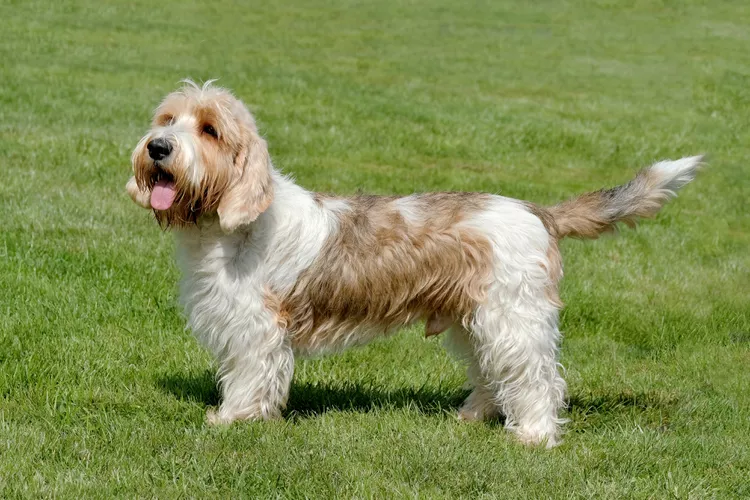
The Petit Basset Griffon Vendéen, "PBGV" or "Petit" for short, is a small, shaggy-coated scent hound developed in France. Known for their charming personality and cuddly appearance, Petit Basset Griffon Vendéens are extremely outgoing, confident, and proud dogs who, despite their short stature, stand tall with their heads held high.
Though they were initially bred to be skilled hunters, the PBGV is a fun-loving, active dog bound to entertain their family and keep their day-to-day life exciting. These French hounds are beloved for their long mustaches, droopy ears, and high-spirited personality. A PBGV would be a great match for an active, experienced pet parent or a new pet parent who has carefully researched the breed and has a compatible lifestyle.
Learn more about the characteristics, history, and care needs of the Petit Basset Griffon Vendéen.
Group: Hound
Height: 13–15 inches
Weight: 25–40 pounds
Coat: Rough, medium, double-coat
Coat Color: Combination of white and lemon, orange, black, tri-color, or grizzle markings
Life Span: 14–16 years
Temperament: Lively, companionable, bold, independent, active
Hypoallergenic: No
Origin: France
The Petit Basset Griffon Vendéen's temperament is often described as affectionate, loyal, and good-natured. Nicknamed "the happy breed," PBGVs are truly happy little extroverts who cherish attention and want to bring joy to their people. But as sweet and companionable as this breed is, they're not lap dogs. A PBGV's favorite place is not only in the spotlight but in the great outdoors, too. Originally bred for hunting, PBGVs are instinctively active and curious dogs who go wherever their noses take them and have a strong prey drive. Agile and bright, PBGVs revel in staying busy, thriving with ample playtime and opportunities to put their minds to work.
This breed loves being around their family. Not to mention, they get along with everyone and are suitable for families with children and other pets with a proper introduction early on. In households with small children, it's important to teach them how to gently interact with small breeds like the PBGV and always supervise playtime.
The Petit Basset Griffon Vendéen can thrive in any living situation as long as they have plenty of space to exercise. Because they're hounds and tend to sniff out scents with their incredible instincts, a fully fenced yard or leash will be required. And though this breed may be on the smaller side, they have a big bark. Pair this with their alertness, and you have one outstanding guard dog.
According to the Petit Basset Griffon Vendéen Club of America (PBGVCA), the PBGV is of ancient descent with origins tracing back to the Grand Basset Griffon Vendéen in the 16th century. The PBGV name is French and translates to: "Petit" - small; "Basset" - low to the ground; "Griffon" - wire-coated; "Vendéen" - the area of France where the breed originated. The PBGV belongs to a group of 28 hound breeds that originated in France, with each hound developed to hunt different game by scent. For the PBGV, the game was typically rabbits and hares.
In 1909, the Dezamy family created what would be a single standard for the Basset Griffon Vendéen that recognized both the Grand and the Petit. After four decades, the Societe de Venerie established a new book of standards and gave the PBGV its official standard, making it a separate breed in 1952.
The PBGV would finally catch the attention and interest of Americans at the 1983 "Super Match" when a 12-week-old PBGV named Alexander won Best in Match and defeated over 3,000 other dogs. A woman named Elizabeth Streeter was the first to import PBGV puppies from France and England to form a working pack in the '70s and was the first to whelp PBGV litters once Alexander won the hearts of many following his victory.
Due to the amount of interest people had taken in PBGVs, the Petit Basset Griffon Vendéen Club of America was formed to protect and promote the breed in November 1984. The American Kennel Club (AKC) recognized the PBGV as the 130th breed on December 1, 1990.
Since then, the PBGV has gained popularity—and it's easy to see why. More recently, Buddy Holly, a PBGV, made history as the first of his breed to win Best in Show at the 2023 Westminster Kennel Club Dog Show.
Petits Bassets Griffons Vendéens require ample exercise and enrichment daily to stay happy and healthy. While they're a highly active and intelligent breed that's at their best with consistent training, they're not high maintenance when it comes to grooming. Outside of regular dental care and nail trimmings, they require weekly brushing and monthly baths to keep their scruffy coats healthy—and fashionably unkempt.
If you're looking for the perfect exercising buddy, look no further than the Petit Basset Griffon Vendéen. PBGVs are anything but couch potatoes. Considering their history as skilled hunters, this breed has high energy and high intelligence—thus, requiring plenty of exercise. PBGVs are also escape artists, following wherever their amazing noses take them. So, they must be always on a leash when venturing outdoors and only off a leash in a secure, fully fenced area.
PBGVs should get at least half an hour of exercise per day, whether it's several short walks, going out for a hike, running around at the dog park, or playing fetch (or a mix of those). These smart, athletic dogs thrive with a combination of physical activity, enrichment with interactive toys and puzzle feeders, play or training sessions, and outdoor adventures.
The Petit Basset Griffon Vendéen is a shaggy, rustic breed with a thick, harsh coat. Their coats look soft and fluffy but are rough and wiry to the touch. Despite this, part of their undeniable charm is in their adorably disheveled, au naturel appearance. PBGVs should be brushed and combed at least once a week to prevent their coat from developing mats or tangles. Any trimming on the bottoms of their feet should be done at a minimum when necessary. And unless your PBGV romped and rolled in mud and needs to be washed, they can be bathed once a month. Check their ears weekly for excess wax or debris. Brush their teeth and clip their nails regularly.
According to the PBGVCA, these intelligent dogs can sometimes have their own agenda that may not always match their pet parent's when it comes to training. Meaning, it can take a little extra consistency and patience considering PBGVs can be independent and willful but also eager to please. Always use positive reinforcement methods and provide them with plenty of praise, toys, and treats, and they may begin to consider your training agenda.
PBGVs should be trained early on. After crate training and housebreaking, PBGVs should attend puppy obedience lessons once vaccinated and old enough for proper socialization. The sky is the limit when training this breed, as these dogs can be trained for scent work, rally and agility classes, as well as therapy work and visitation programs.
The Petit Basset Griffon Vendéen is a generally healthy breed overall, as responsible breeders always strive to maintain the highest breed standards. However, just as with any breed, some potential hereditary health problems can occur. Conditions to be aware of include:
Before purchasing a Petit Basset Griffon Vendéen, ask the breeder for proof of an ophthalmologist evaluation test, genetic test for primary open angle glaucoma (POAG), and any other possible health risks.
Like all other breeds, PBGVs should be fed high-quality dog food that's complete and balanced for their life stage. As puppies, PBGVs will need to eat at least three meals a day. Once they reach adulthood, they can transition to eating twice a day.
Since this breed is prone to getting overweight, it's always a good idea to keep track of how many calories they're consuming and checking their weight. Also, be sure to limit treats so that they don't exceed more than 10 percent of your pooch's daily calories. Fresh, clean water should be available for your dog at all times.
The PBGV is a rare breed and is an ever rarer breed to come across at shelters. Although, it's not impossible. If you're considering purchasing a Petit Basset Griffon Vendéen, you may have to travel or join a waitlist when responsible breeders have pups or adults available. While exact amounts can vary, you can expect a Petit Basset Griffon Vendéen to cost a few thousand dollars.
For more information to help you find a Petit Basset Griffon Vendéen, check out:
The Petit Basset Griffon Vendéen can make an excellent addition to the family, as they love being around people and other pets. However, they require lots of physical activity and mental stimulation and can become destructive (and vocal) if bored or anxious.
As with any dog breed, it's always best to do thorough research on the Petit Basset Griffon Vendéen to learn more about their care and needs to determine whether they're compatible with your lifestyle. Talk with Petit Basset Griffon Vendéen owners, reputable breeders, rescue groups, and veterinary professionals to learn more.
If you’re interested in breeds that are similar to the Petit Basset Griffon Vendéen, check out:
Yes! Petit Basset Griffon Vendéens are friendly, loving, and loyal dogs. They're incredibly social and make great family pets. They're also good with other animals as long as they're properly introduced early on.
When purchased from a reputable breeder, a Petit Basset Griffon Vendéen can cost anywhere from $1,200 to $3,500. If adopting from a shelter or rescue, it may cost up to a few hundred dollars.
Petit Basset Griffon Vendéens are considered to be very healthy dogs. However, they can inherit primary glaucoma in two forms: open (POAG) and closed (PCAG) angle glaucoma. Other potential health issues include neck pain syndrome, hip dysplasia, patellar luxation, epilepsy, and heart murmurs. It's always best to discuss a PBGV's health status and potential health risks with a responsible breeder.

Swollen Lymph Nodes in Dogs
Dogs' lymph node glands may become enlarged due to infection or disease. Learn the causes, treatment, and prevention.
What Is Spaying? All About the Procedure in Dogs
What is a spay? Should you have your dog spayed? Learn what it means to spay a dog, a procedure also known as an ovariohysterectomy.
Can Dogs Eat Popsicles?
You might be wondering can dogs eat popsicles? Certain types of frozen treats are safe for your dog, but you need to be aware of ingredients and allergies
Can Dogs Drink Milk?
Dogs can have milk, providing they are not lactose intolerant. It should really only be given in small quantities though
Can My Dog Eat Tomatoes?
You'll want to keep Fido out of your garden since the tomato plant is toxic, but you can safely offer him ripe tomatoes as a nutrient-packed treat.
Can Dogs Taste Spicy Flavors?
While dogs and humans experience some flavors differently, dogs do taste spicy flavors and in some cases, this can be harmful for them.
Should You Allow Your Indoor Cat to Go Outside?
Here are pros, cons, and safety considerations for allowing indoor cats to explore outdoors and the indoor vs outdoor cats debate, plus safety tips.
Can My Spayed Cat Still Be in Heat?
If your cat was spayed but appears to be in heat, the condition may be caused by several factors. Learn about them here.
How to Keep Cats Cool in Summer
Summertime means heat and with increased temperatures, you have an increased risk of heatstroke in cats. Find out how to prevent heatstroke and keep your cat cool in the summer.
Taurine for Cats
Taurine is an essential animal protein in your cat's diet. Learn more about the various ways it supports your feline's body.
Why Is My Cat Always Hungry and Meowing?
A cat can act like it is always hungry, and there may be a medical reason for this. Learn what behavior is normal and when to see your veterinarian.
Elf Cat: Breed Profile, Characteristics & Care
Elf cats are a new, rare cross between a sphynx and American curl with curly ears and a playful personality.
Maine Coon Cat: Breed Profile, Characteristics & Care
The Maine Coon cat is of the largest cat breeds in the world. These amiable, gentle cats make great companions. Learn about the Maine Coon cat breed's appearance, temperament, health, and care needs.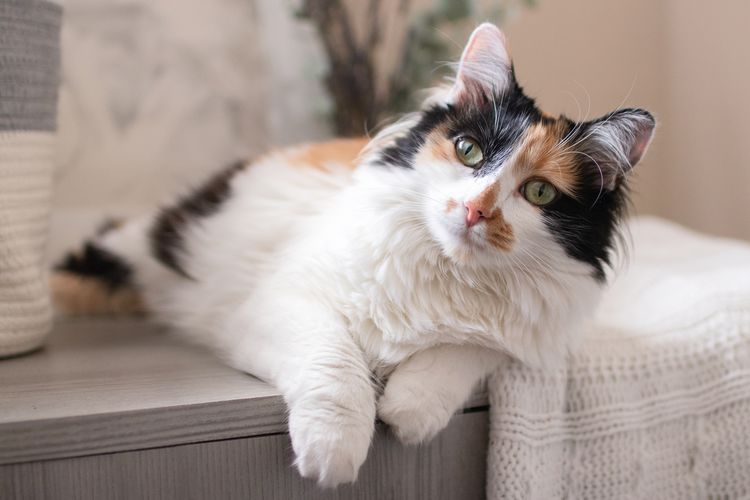
Calico Cat: Breed Profile, Characteristics & Care
Calico cats boast unique tri-color coats, and they are famous for being both spunky and sweet. Learn about the calico cat color pattern.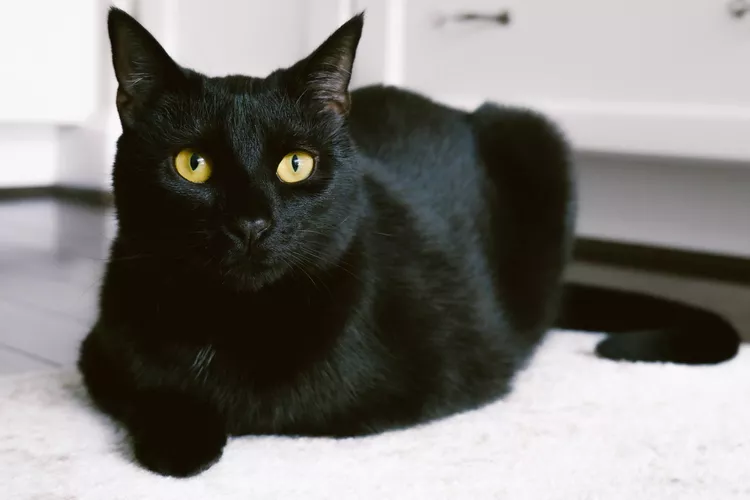
Bombay: Cat Breed Profile, Characteristics & Care
The Bombay cat, a mix of the Burmese and the American shorthair, features an all-black coat, a stocky build, and a friendly demeanor.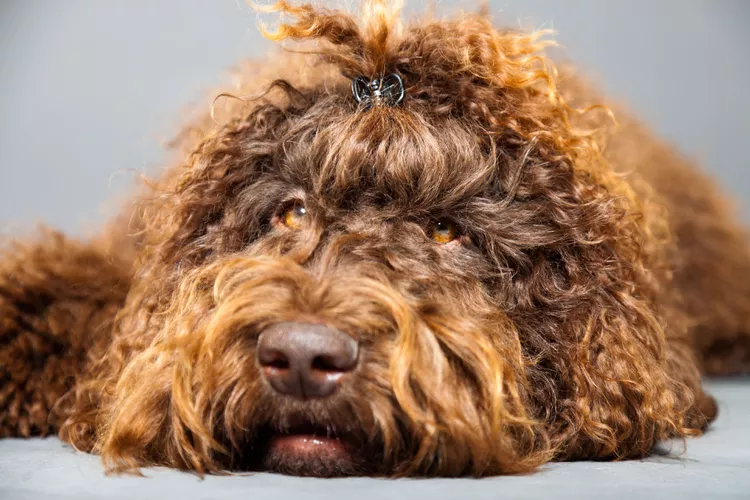
Barbet: Dog Breed Characteristics & Care
Learn about the barbet dog, a French hunting breed that's tough to find in the United States. It's known for its curly coat and calm demeanor.
Bichon Frise: Dog Breed Characteristics & Care
The bichon frise is a fluffy little white dog with a joyful personality. Learn more about its appearance, personality, history, care, and more.
Australian Kelpie: Dog Breed Characteristics & Care
The Australian kelpie is an intelligent, high-energy dog breed developed for herding. Learn about the Australian kelpie, including temperament, appearance, history, and care needs.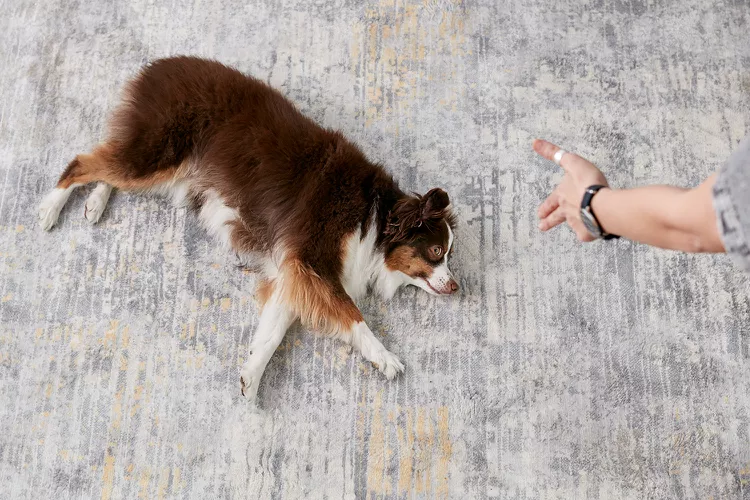
How to Teach Your Dog to Play Dead in 4 Steps
Playing dead is a fun dog trick that most dogs can pick up pretty quickly. Learn simple steps to teach your dog to play dead when you say "bang."
Different Meanings of a Dog's Wagging Tail
A dog wagging his tail is a common sight, but it may mean more than you think. Find out why dogs wag their tails and what canine tail wagging means.


