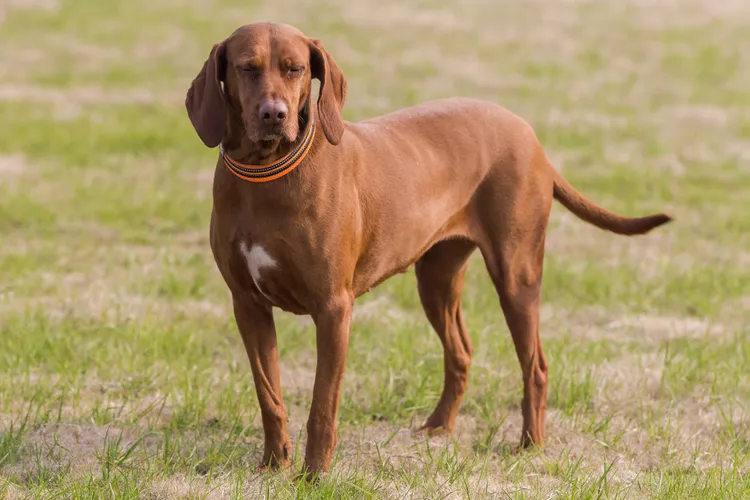
The Redbone coonhound is a medium to large American hound dog with a short, sleek, brilliant red coat and a muscular body. Mild-mannered yet energetic, these hard-working hounds are well-suited to both hunting and companionship. Redbones are known for their distinct voices—like most hounds, they bay, which some people find rather endearing.
GROUP: Hound
HEIGHT: 21 to 27 inches at the shoulder
WEIGHT: 45 to 70 pounds
COAT: Short, smooth
COAT COLOR: Deep, solid red
LIFE SPAN: 10 to 12 years
TEMPERAMENT: Affectionate, independent, energetic, intelligent, fun-loving, friendly
HYPOALLERGENIC: No
ORIGIN: United States
The Redbone coonhound is an energetic hunting dog with a short attention span. However, they can be laid back when not working, allowing a goofy yet soulful personality to shine through. Redbones are scent hounds, so they will sniff everything with great concentration and intensity. These dogs have lovable personalities, making them desirable family pets.
Redbone coonhounds originated from red foxhounds brought to the United States by Scottish immigrants in the late 18th century. While it may seem like their name comes from their color, it may actually come from the name of an early breeder, Peter Redbone.
The majority of the breed's development took place in the Southeastern United States, especially in the state of Georgia. Over time, the Scottish foxhounds were bred for raccoon-hunting traits and were eventually crossed with Irish hounds and possibly bloodhounds which led to the Redbone coonhound we know today. Originally, the Redbone's coat featured a black saddleback streak, but through years of breeding their fur evolved into its notable red color.
By the end of the 19th century, the Redbone coonhound was a well-established breed. Redbones have continued to act as excellent hunters and loyal companions. The Redbone coonhound was officially accepted into the American Kennel Club (AKC) hound group in 2009, yet they're still rare outside of North America.
Redbone coonhounds can be great family dogs when properly trained. Socialization and training are just as important for a Redbone as exercise. This breed is generally friendly to everyone, which makes them good companions but not ideal guard dogs. True to their hunting dog roots, this dog is usually not excessively clingy with its owner. Another advantage is that this breed has low-maintenance grooming needs.
This breed has loads of energy and can easily become bored, so adequate exercise is essential—as much as 90 minutes per day is recommended by some experts. These hounds are excellent swimmers, so this is another option to fulfill the dog's movement needs.
Redbones should be kept on a leash or in a fenced-in area and not permitted to roam free. Once they catch an interesting scent, they'll follow it with intensity. With a strong desire to hunt, this hound can go far very quickly. Taking your dog for a long walk with lots of opportunities to sniff will help to keep him happy and stimulated.
Redbone coonhounds have short, smooth coats with a fairly low rate of shedding. Routine basic grooming with weekly brushing is all that's typically necessary to keep Redbones looking their best. They tend to have a distinctive musky hound odor, which you can reduce with regular bathing.
Like all dogs with long floppy ears, it's important to keep the ears clean and dry to prevent infection. Trim your dog's nails to prevent splitting and tears. Brush your dog's teeth daily to maintain dental hygiene and help prevent periodontal disease and oral infections.
Redbones are intelligent dogs, but they can also have a stubborn streak. Proper training is an absolute necessity and will help strengthen the bond between you and your dog. They're easily trained for hunting duties but other mundane commands don't click as naturally. They need lots of patience and persistence when being trained and respond best to positive reinforcement. As common to most hounds, they're also known to creatively interpret your instructions rather than follow them in the way you intended.
Redbone coonhounds are generally very healthy dogs. The breed can sustain running injuries while on the hunt, however. Responsible breeders work to uphold the breed standard as established by clubs like the AKC and perform testing to prevent them from inheriting health conditions. However, some hereditary health problems can occur in the breed. The following are two conditions to watch for in a Redbone:
A Redbone coonhound will need to eat at least twice per day rather than one large meal or allowing free feeding. Choose a high-quality diet and ensure your dog is getting the appropriate amount of calories for their size and activity level. Redbones are known to be enthusiastic eaters and are prone to overeating, so be sure to monitor your pet to see whether he is gaining weight. Obesity can shorten a dog's lifespan and put him at risk for other conditions. Discuss wight concerns with your veterinarian to get recommendations for feeding schedules, food amount, food type, and exercise needs.
Before searching for a Redbone, think about whether you can provide enough exercise, whether you have any other small animals in your home, if you can handle the baying, and if you're able to bathe the dog regularly to control that hound odor. If you think you've found the perfect pet match in the Redbone coonhound, you can start by reaching out to an advocacy organization:
These groups may be able to pair you with a reputable breeder or rescue in your local area. If you aren't certain the breed is right for you, you may be able to foster a dog to see if a Redbone coonhound fits into your home and lifestyle.
Minimal shedding
Great hunting companions
Energetic and lively
Challenging to train for long periods
Loud baying and howling
May have a musty doggy odor
If you think the Redbone coonhound is the right dog breed for you, be sure to do plenty of research before adopting one. Talk to other Redbone owners, reputable breeders, and hound rescue groups to learn more.
If you're interested in similar breeds, look into these to explore their pros and cons:
Otherwise, explore our wide variety of dog breed profiles. With a little research, you can find the right one to bring home.
Absolutely yes, but with one big caveat when it comes to training. They are gentle, loving souls that can potentially be easy to train if sessions are kept fun and short (up to 10 minutes). Redbones tend to learn something and stick with it, which is why a first-time dog owner needs to avoid teaching the dog bad habits. It's advisable for novice dog owners to work with a professional dog trainer.
Like many hound breeds, the Redbone coonhound may have a musty odor, but it's not necessarily a foul smell. However, after swimming or running though nature, the smell may be more overpowering. Regular bathing can help reduce the breed's natural odor.
Redbones, along with other hound breeds, are known for a distinct baying sound they make while hunting. Some Redbones will bark, bay, or howl even when they're not hunting or playing. With dedication, you can train your dog to be quiet when asked.
If you're adopting a Redbone coonhound, be aware that their bay can be a problem in an apartment, urban, or even in a suburban setting. Luckily, they're not as vocal as other hounds when they aren't on the hunt. In addition, your Redbone will need plenty of exercise and entertainment outside the apartment.
Redbones have a very high prey drive and are hard-wired to chase raccoons and other small animals. Extra care should be taken to socialize your dog to cats. If the two are to share a household, the Redbone should ideally be raised from puppyhood with the cat.
Redbones tend to get along very well with children and other dogs. They might play too energetically for a toddler, but playing with older children can keep the dog and kids entertained. It may be hard for a younger child to control this dog on a leash—especially if the dog catches the scent of potential food.

Swollen Lymph Nodes in Dogs
Dogs' lymph node glands may become enlarged due to infection or disease. Learn the causes, treatment, and prevention.
What Is Spaying? All About the Procedure in Dogs
What is a spay? Should you have your dog spayed? Learn what it means to spay a dog, a procedure also known as an ovariohysterectomy.
Can Dogs Eat Popsicles?
You might be wondering can dogs eat popsicles? Certain types of frozen treats are safe for your dog, but you need to be aware of ingredients and allergies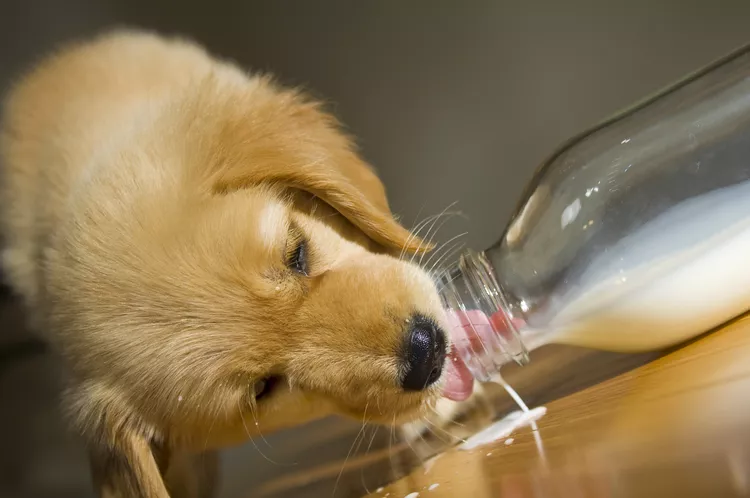
Can Dogs Drink Milk?
Dogs can have milk, providing they are not lactose intolerant. It should really only be given in small quantities though
Can My Dog Eat Tomatoes?
You'll want to keep Fido out of your garden since the tomato plant is toxic, but you can safely offer him ripe tomatoes as a nutrient-packed treat.
Can Dogs Taste Spicy Flavors?
While dogs and humans experience some flavors differently, dogs do taste spicy flavors and in some cases, this can be harmful for them.
Should You Allow Your Indoor Cat to Go Outside?
Here are pros, cons, and safety considerations for allowing indoor cats to explore outdoors and the indoor vs outdoor cats debate, plus safety tips.
Can My Spayed Cat Still Be in Heat?
If your cat was spayed but appears to be in heat, the condition may be caused by several factors. Learn about them here.
How to Keep Cats Cool in Summer
Summertime means heat and with increased temperatures, you have an increased risk of heatstroke in cats. Find out how to prevent heatstroke and keep your cat cool in the summer.
Taurine for Cats
Taurine is an essential animal protein in your cat's diet. Learn more about the various ways it supports your feline's body.
Why Is My Cat Always Hungry and Meowing?
A cat can act like it is always hungry, and there may be a medical reason for this. Learn what behavior is normal and when to see your veterinarian.
Elf Cat: Breed Profile, Characteristics & Care
Elf cats are a new, rare cross between a sphynx and American curl with curly ears and a playful personality.
Maine Coon Cat: Breed Profile, Characteristics & Care
The Maine Coon cat is of the largest cat breeds in the world. These amiable, gentle cats make great companions. Learn about the Maine Coon cat breed's appearance, temperament, health, and care needs.
Calico Cat: Breed Profile, Characteristics & Care
Calico cats boast unique tri-color coats, and they are famous for being both spunky and sweet. Learn about the calico cat color pattern.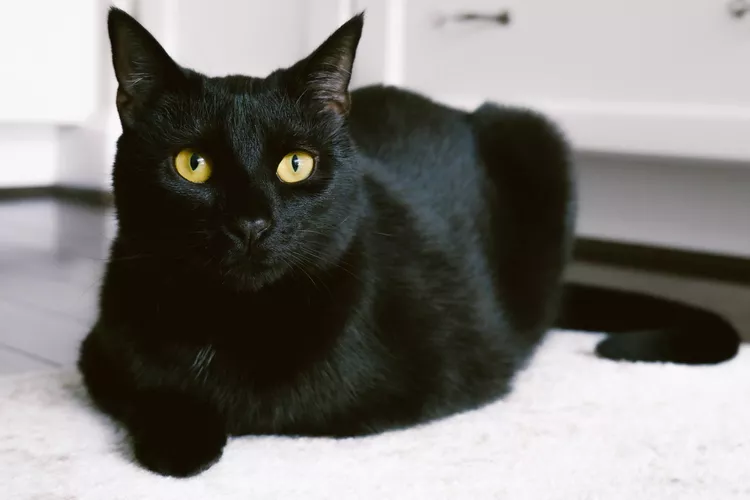
Bombay: Cat Breed Profile, Characteristics & Care
The Bombay cat, a mix of the Burmese and the American shorthair, features an all-black coat, a stocky build, and a friendly demeanor.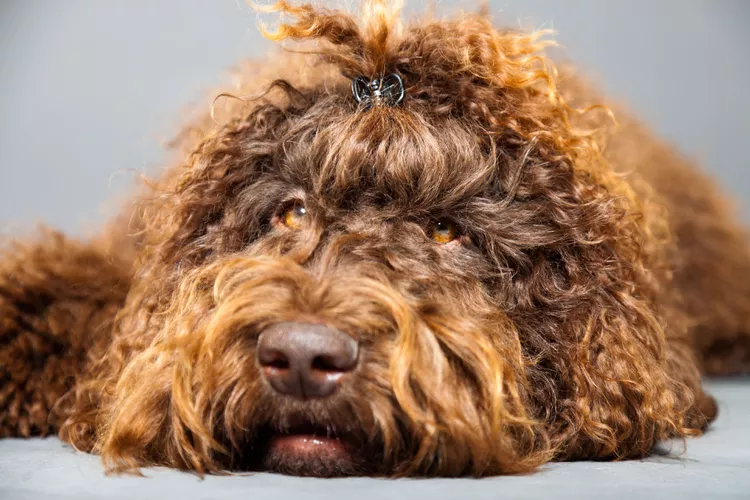
Barbet: Dog Breed Characteristics & Care
Learn about the barbet dog, a French hunting breed that's tough to find in the United States. It's known for its curly coat and calm demeanor.
Bichon Frise: Dog Breed Characteristics & Care
The bichon frise is a fluffy little white dog with a joyful personality. Learn more about its appearance, personality, history, care, and more.
Australian Kelpie: Dog Breed Characteristics & Care
The Australian kelpie is an intelligent, high-energy dog breed developed for herding. Learn about the Australian kelpie, including temperament, appearance, history, and care needs.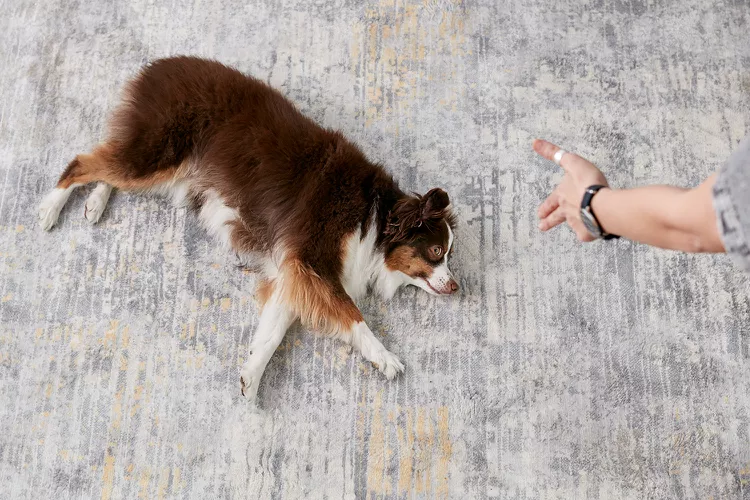
How to Teach Your Dog to Play Dead in 4 Steps
Playing dead is a fun dog trick that most dogs can pick up pretty quickly. Learn simple steps to teach your dog to play dead when you say "bang."
Different Meanings of a Dog's Wagging Tail
A dog wagging his tail is a common sight, but it may mean more than you think. Find out why dogs wag their tails and what canine tail wagging means.


