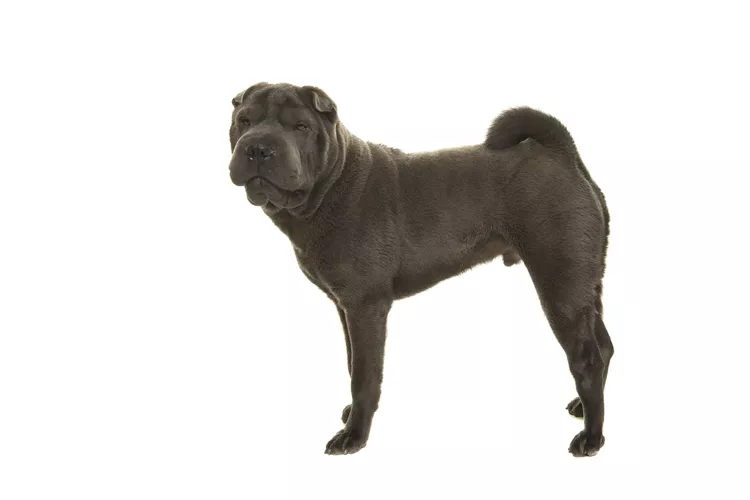
The shar-pei is an ancient, unique, and once very rare dog breed developed in China. It is known for its wrinkled skin, blue-black tongues, and bristle-like coat, all of which makes it stand out from the crowd. The breed isn't best for novice owners, though. This very intelligent dog is independent, aloof, and guarded with strangers. The breed can also be prone to several health conditions. But the shar-pei can also be a fiercely loyal and protective family companion who loves to snuggle.
GROUP: Non-Sporting
HEIGHT: 18 to 20 inches (to the withers)
WEIGHT: 45 to 60 pounds
COAT: Short and bristly
COAT COLOR: Various solid color shades include black, chocolate, blue, and cream; mixed coat colors are not accepted as a breed standard
LIFE SPAN: 8 to 12 years
TEMPERAMENT: Devoted, loving, affectionate, reserved, independent
HYPOALLERGENIC: No
ORIGIN: China
The breed can vary greatly in appearance. Although the American Kennel Club does not recognize two distinct varieties, they are distinguished by some other International Kennel Clubs. The older, traditional shape from China is referred to as the "bone-mouth" variety. They are taller, slimmer and have much fewer wrinkles. The Westernized variety is referred to as the "meat-mouth" and is much stockier, has more wrinkles, and a wider, fleshier head.
The shar-pei has a very ancient history. It is not known quite how far back this goes, but some statues have a strong resemblance to the breed that date back to the time of the Hang Dynasty in China, over 2,000 years ago.
They are thought to originally have been bred for their hunting and fighting prowess, and the wrinkles in their skin and roughness of their coat would have helped to prevent their opponents from getting a grip. The name shar-pei is derived from the Cantonese translation of the words "sand skin."
During the communist revolution in China in the mid 20th century, their numbers dwindled so drastically that they almost became extinct. In the 1970s, a Chinese breeder sent an impassioned plea to American dog enthusiasts asking for help to save the breed. As a result of this, a select few dogs were sent over to the States and the breed had a resurgence in popularity.
They were then featured on the cover of LIFE magazine and were involved in many high profile ad campaigns. The demand for shar-peis during the 1970s and 1980s was so great from all of this attention that the breed suffered as a result of unscrupulous overbreeding.
The breed was officially recognized by the (AKC) in the late 1980s. Since then, while still cherished by enthusiasts, their popularity has waned somewhat and this has been of benefit to the breed in terms of responsible breeding programs being more common, but the fallout from that time is still apparent.
Caring for a shar-pei is somewhat simple. It does not have the exercise requirements of many other breeds of its size, and it is not known for being vocal. The dog is a naturally clean one and it often has an aversion to water, so you are unlikely to find your pup enjoying a romp in muddy puddles. The breed is known for its stubborn and willful nature, and patience and commitment will be required to guarantee success when it comes to training.
The shar-pei is not known for being a high-energy breed. It would be rare to see them taking part in agility. Providing they get good daily walks totaling about an hour a day and are kept appropriately enriched in the house, they are often regarded as dogs suited to apartment living.
The shar-pei grooming regime is relatively straight forward. Their coats do not require much maintenance, usually just a weekly brush out to remove dead hair. They do shed, but it is not excessive.
If they do need a bath, the biggest concern is ensuring that, if they are particularly wrinkly, you properly dry in between the folds. They can be prone to skin infections. They may also need their mouth cleaned after eating.
Their very small ears can also be prone to developing infections. Making sure that they are cleaned with a high-quality cleanser is often recommended.
A shar-pei must receive appropriate socialization and training from the beginning. They are often wary of other dogs and strangers and can have a high prey drive. For these reasons, they can do better as the only pet in the household.
They are not keen on roughhousing and it is important that training is done using positive reinforcement methods. Trying to force a shar-pei to comply will usually not end well.
The shar-pei can be prone to many different health conditions. Many of these are likely attributable to the irresponsible overbreeding that occurred when their popularity exploded in the 1980s.
They are also classed as a brachycephalic, or flat-faced, breed and this can mean that they are less tolerant of heat and great care should be taken when they are exposed to hotter weather and when exercising.
Making sure that you find a responsible breeder will decrease the risk of developing genetic conditions, but some of the potential problems that you should be aware of include:
As with any dog, it is important to feed them a high-quality, carefully portion-controlled diet and that they always have access to a fresh water source.
Because the shar-pei is more prone to bacterial skin conditions, if you are feeding a wet or raw diet, extra care should be taken to ensure that any residue is cleaned away from the mouth area after eating.
Because they are also known for being prone to gastric torsion, it may be worth feeding them from a slow feeding bowl if they tend to guzzle their food quickly.
A shar-pei is not the easiest of dogs in terms of potential health problems and trainability, so it is important to consider your lifestyle, experience, and motivations before offering one a home.
If you are buying a puppy, it is always important to do your research to ensure you find a reputable and responsible breeder. This is all the more important with a shar-pei given their potential health and temperament issues. Expect to pay a breeder between $1,000 up to $2,500 for a champion blood line puppy.
Make sure that you select a registered breeder, that keeps both mother and pups in a nurturing home environment, that has made appropriate health checks, and that has not separated pups from their mother before they reach eight weeks old.
Because this breed is not generally suited to new dog owners, it does, unfortunately, mean that shar-peis can frequently end up in rescue. There are some breed specific rescues out there, but don't forget to also enquire with your local shelter. Offering a forever home to a rescue dog can be a hugely rewarding experience.
Below are some useful breed and adoption links to begin your search:
Low energy breed suited to apartment living
Loyal to its family, but not needy
Distinctive look that requires minimal grooming
Prone to a number of health conditions
Requires patience when training
Not very sociable breed, reactive towards strange dogs
While the shar-pei is a unique dog, you may also be interested in a similar breed such as the following:
There’s a whole world of potential dog breeds out there—with a little research, you can find the right one to bring home!
No one really knows why this breed has a blue-black tongue. But, just like the chow chow with its blackish-purplish tongue, it is likely because it contains more localized pigmented cells. Not every shar-pei, however, has a colored tongue.
Some shar-peis have few wrinkles while others are very wrinkled. It all has to do with their genes, and how much hyaluronic acid is formed in the tissue of the dog based on the genes. The more hyaluronic acid in the dog's tissues, the more wrinkles it will have.
A shar-pei may be a bit aggressive towards other dogs, but not to its family. Shar-peis are bred as farm dogs, not fighting dogs. With that said, unfortunately, many unscrupulous owners use shar-peis for illegal dog fights, which is why the perception still exists that this breed is aggressive.

Swollen Lymph Nodes in Dogs
Dogs' lymph node glands may become enlarged due to infection or disease. Learn the causes, treatment, and prevention.
What Is Spaying? All About the Procedure in Dogs
What is a spay? Should you have your dog spayed? Learn what it means to spay a dog, a procedure also known as an ovariohysterectomy.
Can Dogs Eat Popsicles?
You might be wondering can dogs eat popsicles? Certain types of frozen treats are safe for your dog, but you need to be aware of ingredients and allergies
Can Dogs Drink Milk?
Dogs can have milk, providing they are not lactose intolerant. It should really only be given in small quantities though
Can My Dog Eat Tomatoes?
You'll want to keep Fido out of your garden since the tomato plant is toxic, but you can safely offer him ripe tomatoes as a nutrient-packed treat.
Can Dogs Taste Spicy Flavors?
While dogs and humans experience some flavors differently, dogs do taste spicy flavors and in some cases, this can be harmful for them.
Should You Allow Your Indoor Cat to Go Outside?
Here are pros, cons, and safety considerations for allowing indoor cats to explore outdoors and the indoor vs outdoor cats debate, plus safety tips.
Can My Spayed Cat Still Be in Heat?
If your cat was spayed but appears to be in heat, the condition may be caused by several factors. Learn about them here.
How to Keep Cats Cool in Summer
Summertime means heat and with increased temperatures, you have an increased risk of heatstroke in cats. Find out how to prevent heatstroke and keep your cat cool in the summer.
Taurine for Cats
Taurine is an essential animal protein in your cat's diet. Learn more about the various ways it supports your feline's body.
Why Is My Cat Always Hungry and Meowing?
A cat can act like it is always hungry, and there may be a medical reason for this. Learn what behavior is normal and when to see your veterinarian.
Elf Cat: Breed Profile, Characteristics & Care
Elf cats are a new, rare cross between a sphynx and American curl with curly ears and a playful personality.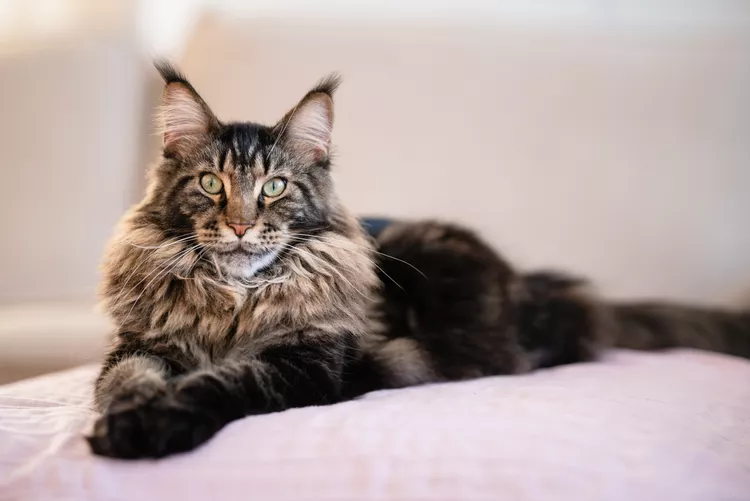
Maine Coon Cat: Breed Profile, Characteristics & Care
The Maine Coon cat is of the largest cat breeds in the world. These amiable, gentle cats make great companions. Learn about the Maine Coon cat breed's appearance, temperament, health, and care needs.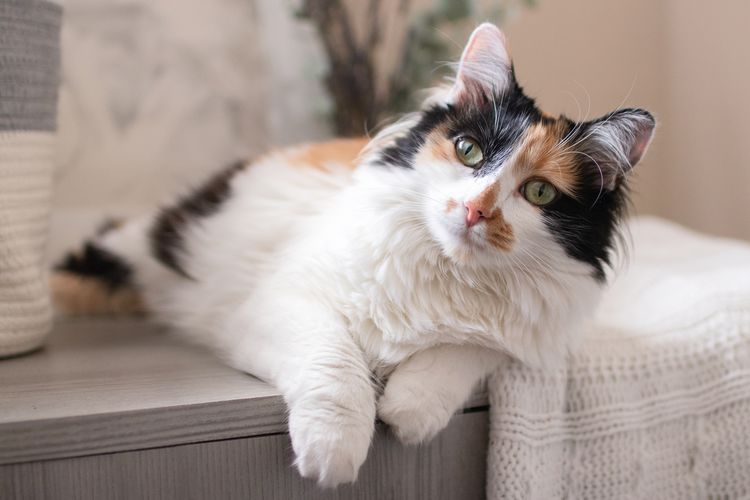
Calico Cat: Breed Profile, Characteristics & Care
Calico cats boast unique tri-color coats, and they are famous for being both spunky and sweet. Learn about the calico cat color pattern.
Bombay: Cat Breed Profile, Characteristics & Care
The Bombay cat, a mix of the Burmese and the American shorthair, features an all-black coat, a stocky build, and a friendly demeanor.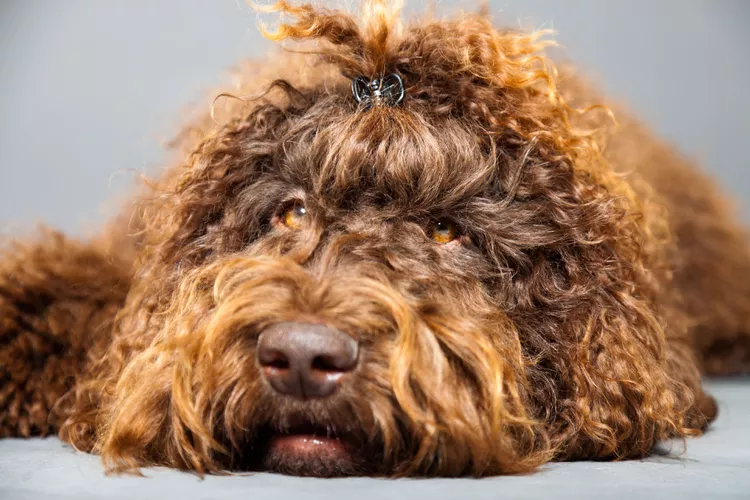
Barbet: Dog Breed Characteristics & Care
Learn about the barbet dog, a French hunting breed that's tough to find in the United States. It's known for its curly coat and calm demeanor.
Bichon Frise: Dog Breed Characteristics & Care
The bichon frise is a fluffy little white dog with a joyful personality. Learn more about its appearance, personality, history, care, and more.
Australian Kelpie: Dog Breed Characteristics & Care
The Australian kelpie is an intelligent, high-energy dog breed developed for herding. Learn about the Australian kelpie, including temperament, appearance, history, and care needs.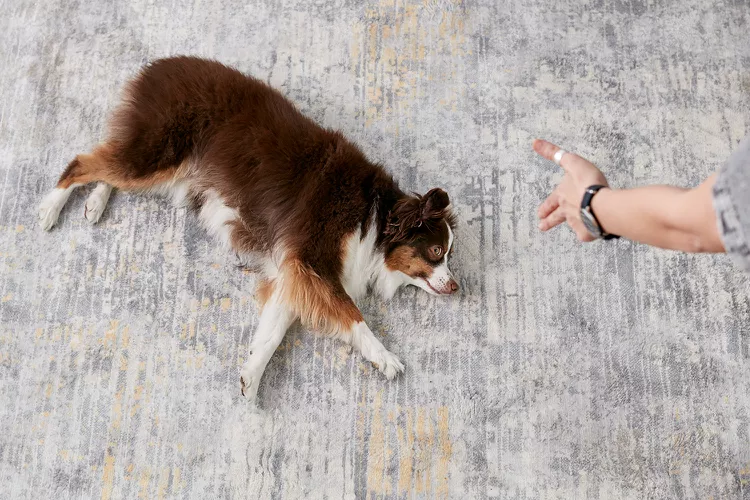
How to Teach Your Dog to Play Dead in 4 Steps
Playing dead is a fun dog trick that most dogs can pick up pretty quickly. Learn simple steps to teach your dog to play dead when you say "bang."
Different Meanings of a Dog's Wagging Tail
A dog wagging his tail is a common sight, but it may mean more than you think. Find out why dogs wag their tails and what canine tail wagging means.


:strip_icc():format(webp)/GettyImages-1073782172-acc1394b560a441fbd25ec92b8ed88aa.jpg)