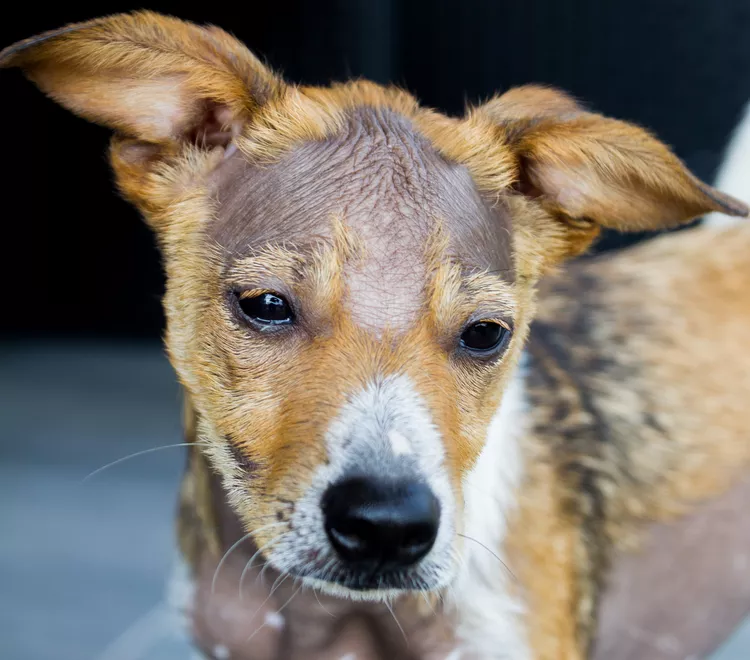
Alopecia is a medical term that refers to baldness or hair loss in areas that normally are hairy. There are many reasons a dog can develop alopecia, including allergies, skin infections, parasites including fleas or mange mites, overgrooming, lack of protein in the diet, and genetics. Depending on the cause, alopecia might be a temporary condition that can be treated, or it might be a permanent condition. Luckily, although it can be unsightly, alopecia is generally not part of a life-threatening condition, and your dog can usually lead a normal, happy life even without all of its fur.
While any dog can develop alopecia that stems from external factors such as mange, skin infections, or behavioral issues, certain breeds are more prone to inherited types of alopecia. Dachshunds, Chihuahuas, standard poodles, and Bernese mountain dogs are just a few of the breeds prone to genetic types of alopecia.
Alopecia is the medical term for hair loss or baldness. Many different types of alopecia affect dogs. With most types of alopecia, the dog's fur loss is temporary and hair growth resumes once the root cause is treated. However, inherited forms of alopecia are sometimes permanent or recurring conditions.
Depending on the cause of the alopecia, the dog might lose most of the fur on its body, but more often, alopecia leads to partial hair loss in the form of localized bald spots, symmetrical hair loss on one or both sides of the body, or fur that looks thin and moth-eaten.
Alopecia can affect any part of your dog's body, but most often appears on the ears, the top of the head, the belly, or the flanks.
The most obvious symptom of alopecia is hair loss, but other symptoms can accompany this condition, depending on the cause.
Alopecia that's caused by a hereditary or hormonal issue often has no symptoms beyond the changes to the dog's coat. However, when hair loss stems from an infestation of parasites, such as fleas or mange mites, a fungal or bacterial infection in the skin, such as ringworm, or allergies, your dog will often be itchy and scratch excessively.
Damaged skin tends to accompany the itchy forms of alopecia. You'll see dandruff or flakiness on your dog's skin and might note reddened or darkened skin, as well. If the inflammation is severe, there might be crusty or weeping spots on the skin. Usually, your dog will lick, scratch, or rub at the irritated areas to gain relief from the discomfort.
Alopecia can occur for a number of reasons, but causes are typically lumped into two categories: congenital or acquired. Congenital alopecia means the dog is born with hair follicles that do not develop normally, usually due to genetics. Symptoms of these types of alopecia can appear when the dog is still a puppy or later in young adulthood.
Acquired alopecia means the dog was born with a normal coat and normal hair follicles, but now has areas of baldness or hair loss due to damage to the hair follicles, issues with the hair shaft itself, or a slowdown in the normal hair-growth cycle.
Many causes of alopecia have specific names, while others are simply symptoms of another illness or condition. Some named types of alopecia include:
Alopecia can also occur due to parasites such as mites or fleas, environmental or food allergies, bacterial or fungal infections, hormonal issues such as low thyroid hormone (hypothyroidism) or high cortisol (Cushing's disease), some tumors, topical medications, and even seasonal fluctuations.
Certain breeds of dogs are predisposed to developing various types of congenital alopecia. Breeds that are commonly affected by different types of alopecia include:
If your dog develops bald spots or thinning of its coat, one of your veterinarian's first questions is likely to be whether or not you have observed signs of itchiness, such as scratching excessively. Itchiness typically indicates an inflammatory cause of alopecia or a response to food or environmental allergies. In these cases, your vet will look for signs of skin infections from yeast, ringworm, or bacteria and also examine the dog for signs of pest infestations, including fleas or mange mites.
Along with the physical examination, your vet might order skin scrapings or biopsies of the affected areas for microscopic examination, which can reveal typical changes associated with inflammation. Blood tests can sometimes reveal an increase in certain types of white blood cells that indicate allergies.
If your dog is not itchy, the veterinarian will likely order blood tests to check for abnormalities with the dog's thyroid, as well as blood tests that give an impression of the dog's overall health. The vet will also carry out a full physical examination, considering the symmetry of the bald spots, their location, changes to the underlying skin, and the appearance of the remaining hairs.
If your veterinarian is unable to decisively diagnose the cause of the alopecia, they might refer you to a veterinary dermatologist. However, it is not uncommon for alopecia to be simply diagnosed as idiopathic, meaning the cause is unknown.
The treatment for alopecia in dogs will vary based on the underlying reason for the hair loss. If the problem is due to a skin infection or irritation, the treatment will involve topical or oral forms of anti-parasitics, antibiotics, antifungals, or anti-inflammatory medications.
If the alopecia is due to thyroid or adrenal disorders, treatment to relieve or reverse the hormonal imbalance will usually also result in renewed hair growth. If allergies are the source of the problem, then removing the trigger—often it's a food—as well as giving the dog antihistamine medications can bring relief from the itching that caused the dog to scratch away at its fur.
Unfortunately, many forms of congenital alopecia do not have effective treatments, other than keeping the dog's skin moisturized to help avoid dryness or flakiness.
Although many forms of alopecia cannot be cured or treated, they do not shorten a dog's life or affect the quality of that life. For the most part, alopecia is a cosmetic issue that can be unsightly but won't prevent your pet from leading a happy and otherwise healthy life.
Some types of alopecia are preventable while others are out of a dog owner's control. Using parasite control and making sure any hair accessories are not applied too tightly are the best ways to prevent these avoidable types of alopecia. Other types of alopecia that are due to a genetic or auto-immune cause are not preventable but may be lessened for future generations with selective breeding.
Hair loss itself is not contagious, but ringworm, which is one cause of alopecia, is contagious to humans and other pets in the home, as are many types of mange mites. If your dog's alopecia is due to one of these causes, you'll need to take precautions against the spread of infection by washing the dog's bedding, keeping the infected dog separated from other pets in the home, and taking care to wash your hands thoroughly after petting your dog or applying medications to its skin.

Swollen Lymph Nodes in Dogs
Dogs' lymph node glands may become enlarged due to infection or disease. Learn the causes, treatment, and prevention.
What Is Spaying? All About the Procedure in Dogs
What is a spay? Should you have your dog spayed? Learn what it means to spay a dog, a procedure also known as an ovariohysterectomy.
Can Dogs Eat Popsicles?
You might be wondering can dogs eat popsicles? Certain types of frozen treats are safe for your dog, but you need to be aware of ingredients and allergies
Can Dogs Drink Milk?
Dogs can have milk, providing they are not lactose intolerant. It should really only be given in small quantities though
Can My Dog Eat Tomatoes?
You'll want to keep Fido out of your garden since the tomato plant is toxic, but you can safely offer him ripe tomatoes as a nutrient-packed treat.
Can Dogs Taste Spicy Flavors?
While dogs and humans experience some flavors differently, dogs do taste spicy flavors and in some cases, this can be harmful for them.
Should You Allow Your Indoor Cat to Go Outside?
Here are pros, cons, and safety considerations for allowing indoor cats to explore outdoors and the indoor vs outdoor cats debate, plus safety tips.
Can My Spayed Cat Still Be in Heat?
If your cat was spayed but appears to be in heat, the condition may be caused by several factors. Learn about them here.
How to Keep Cats Cool in Summer
Summertime means heat and with increased temperatures, you have an increased risk of heatstroke in cats. Find out how to prevent heatstroke and keep your cat cool in the summer.
Taurine for Cats
Taurine is an essential animal protein in your cat's diet. Learn more about the various ways it supports your feline's body.
Why Is My Cat Always Hungry and Meowing?
A cat can act like it is always hungry, and there may be a medical reason for this. Learn what behavior is normal and when to see your veterinarian.
Elf Cat: Breed Profile, Characteristics & Care
Elf cats are a new, rare cross between a sphynx and American curl with curly ears and a playful personality.
Maine Coon Cat: Breed Profile, Characteristics & Care
The Maine Coon cat is of the largest cat breeds in the world. These amiable, gentle cats make great companions. Learn about the Maine Coon cat breed's appearance, temperament, health, and care needs.
Calico Cat: Breed Profile, Characteristics & Care
Calico cats boast unique tri-color coats, and they are famous for being both spunky and sweet. Learn about the calico cat color pattern.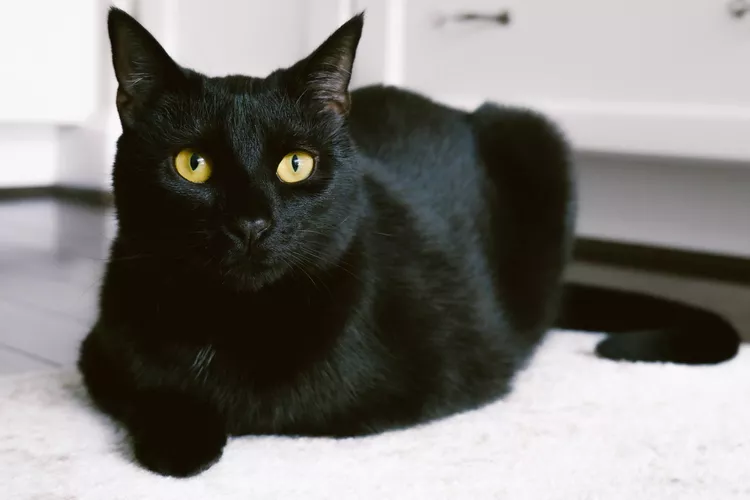
Bombay: Cat Breed Profile, Characteristics & Care
The Bombay cat, a mix of the Burmese and the American shorthair, features an all-black coat, a stocky build, and a friendly demeanor.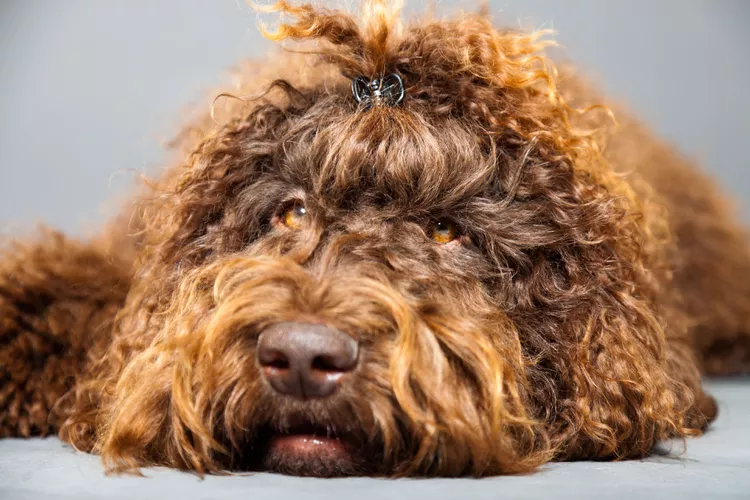
Barbet: Dog Breed Characteristics & Care
Learn about the barbet dog, a French hunting breed that's tough to find in the United States. It's known for its curly coat and calm demeanor.
Bichon Frise: Dog Breed Characteristics & Care
The bichon frise is a fluffy little white dog with a joyful personality. Learn more about its appearance, personality, history, care, and more.
Australian Kelpie: Dog Breed Characteristics & Care
The Australian kelpie is an intelligent, high-energy dog breed developed for herding. Learn about the Australian kelpie, including temperament, appearance, history, and care needs.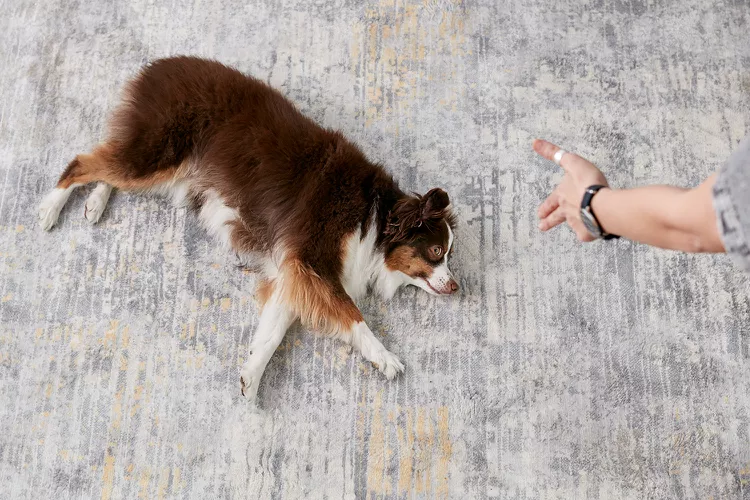
How to Teach Your Dog to Play Dead in 4 Steps
Playing dead is a fun dog trick that most dogs can pick up pretty quickly. Learn simple steps to teach your dog to play dead when you say "bang."
Different Meanings of a Dog's Wagging Tail
A dog wagging his tail is a common sight, but it may mean more than you think. Find out why dogs wag their tails and what canine tail wagging means.


