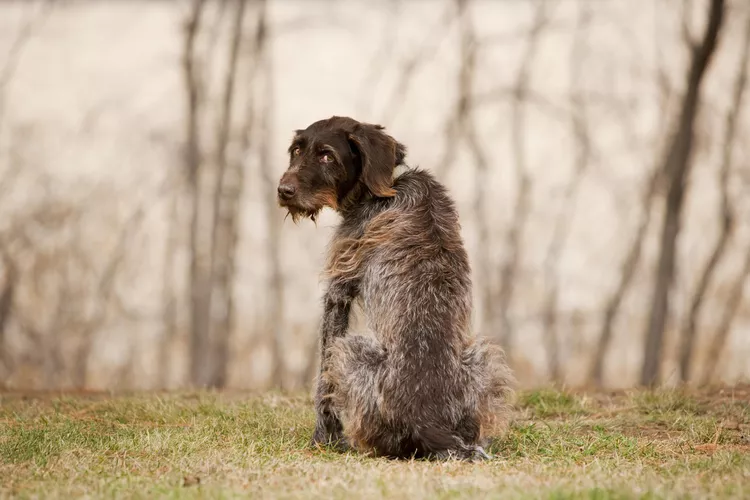
If your dog dies at home, it is understandably an incredibly difficult situation. Losing your beloved dog is never easy, but if your dog passes away at home, you'll need to take immediate steps and make some decisions right away, such as transporting your pet to a cemetery or crematorium.
Coping with the sudden loss of your dog can be incredibly difficult, especially when emotions are heightened. It can be shocking and upsetting when a dog dies at home. We hope that these few steps will provide you with some support and guidance during this challenging time.
Are you certain your dog has passed away? If you have any doubt, it's best to take your dog to the nearest open veterinarian for help as soon as possible. Try to feel your dog's heartbeat to find out if a cardiac arrest has occurred. You may wish to try to perform CPR or administer another type of first aid if you think your dog may still be alive.
If you are sure that your dog has passed away, the simplest action is typically to bring your dog's body to the veterinarian for assistance.
If your dog passes during normal business hours, your vet's office can help talk you through the steps. They may also have a way of getting you in touch with someone who can pick up your pet's remains (like a pet crematory or mobile vet service). In some cases, your vet's office may be able to store your pet's body for a day or two while you decide on aftercare arrangements, such as cremation or burial. Your vet's office should also be able to put you in contact with a local company to handle cremation or burial. Fortunately, most vets have a relationship with at least one local business that offers these services.
If your dog dies at night or over a holiday, contact a local emergency veterinary facility to see if they can help you or connect you with services to assist.
This is a difficult time, so it might be best if you don't have to be alone. If possible, call a close friend or family member who can offer emotional support and help you handle your pet's remains in a practical yet compassionate manner. If you do not think you will physically and/or emotionally be able to handle your pet's body, choose someone who you know can do this.
It is not pretty to talk about, but you may need to handle your pet's body. If you plan to bury your pet yourself but cannot do it right away, then the body must be stored properly. If you wish to have your pet cremated or have the burial handled by a company that cannot take your pet's remains right away, you will also need to properly store the remains. This may be the case if your pet dies at night or over a holiday. However, some pet crematories have 24/7 phone service for these kinds of situations. The most important thing to know is that the remains of the deceased pet must be handled as soon as possible.
The brutal fact is that an animal's body begins to decompose immediately after death. The body will soon begin to give off a foul odor and attract insects. The hotter the temperature, the faster the rate of decomposition. Rigor mortis, the stiffening of the joints, typically begins within 10 minutes to three hours after death and can last as long as 72 hours. Again, the temperature will affect this process. Ideally, the remains will be properly handled before the onset of rigor mortis.
If you wish to bury your dog on your property, see if local laws allow this. Certain areas prohibit the burial of pets, especially in cities.
Before burial, remove the body from any non-biodegradable materials (such as plastic). The body can be placed in a wooden or cardboard casket if desired. The grave should be at least 3 feet deep. Choose a location that is not likely to erode or be accidentally dug up again. You may wish to place a headstone or other marker at your pet's grave to memorialize your beloved pet.

Swollen Lymph Nodes in Dogs
Dogs' lymph node glands may become enlarged due to infection or disease. Learn the causes, treatment, and prevention.
What Is Spaying? All About the Procedure in Dogs
What is a spay? Should you have your dog spayed? Learn what it means to spay a dog, a procedure also known as an ovariohysterectomy.
Can Dogs Eat Popsicles?
You might be wondering can dogs eat popsicles? Certain types of frozen treats are safe for your dog, but you need to be aware of ingredients and allergies
Can Dogs Drink Milk?
Dogs can have milk, providing they are not lactose intolerant. It should really only be given in small quantities though
Can My Dog Eat Tomatoes?
You'll want to keep Fido out of your garden since the tomato plant is toxic, but you can safely offer him ripe tomatoes as a nutrient-packed treat.
Can Dogs Taste Spicy Flavors?
While dogs and humans experience some flavors differently, dogs do taste spicy flavors and in some cases, this can be harmful for them.
Should You Allow Your Indoor Cat to Go Outside?
Here are pros, cons, and safety considerations for allowing indoor cats to explore outdoors and the indoor vs outdoor cats debate, plus safety tips.
Can My Spayed Cat Still Be in Heat?
If your cat was spayed but appears to be in heat, the condition may be caused by several factors. Learn about them here.
How to Keep Cats Cool in Summer
Summertime means heat and with increased temperatures, you have an increased risk of heatstroke in cats. Find out how to prevent heatstroke and keep your cat cool in the summer.
Taurine for Cats
Taurine is an essential animal protein in your cat's diet. Learn more about the various ways it supports your feline's body.
Why Is My Cat Always Hungry and Meowing?
A cat can act like it is always hungry, and there may be a medical reason for this. Learn what behavior is normal and when to see your veterinarian.
Elf Cat: Breed Profile, Characteristics & Care
Elf cats are a new, rare cross between a sphynx and American curl with curly ears and a playful personality.
Maine Coon Cat: Breed Profile, Characteristics & Care
The Maine Coon cat is of the largest cat breeds in the world. These amiable, gentle cats make great companions. Learn about the Maine Coon cat breed's appearance, temperament, health, and care needs.
Calico Cat: Breed Profile, Characteristics & Care
Calico cats boast unique tri-color coats, and they are famous for being both spunky and sweet. Learn about the calico cat color pattern.
Bombay: Cat Breed Profile, Characteristics & Care
The Bombay cat, a mix of the Burmese and the American shorthair, features an all-black coat, a stocky build, and a friendly demeanor.
Barbet: Dog Breed Characteristics & Care
Learn about the barbet dog, a French hunting breed that's tough to find in the United States. It's known for its curly coat and calm demeanor.
Bichon Frise: Dog Breed Characteristics & Care
The bichon frise is a fluffy little white dog with a joyful personality. Learn more about its appearance, personality, history, care, and more.
Australian Kelpie: Dog Breed Characteristics & Care
The Australian kelpie is an intelligent, high-energy dog breed developed for herding. Learn about the Australian kelpie, including temperament, appearance, history, and care needs.
How to Teach Your Dog to Play Dead in 4 Steps
Playing dead is a fun dog trick that most dogs can pick up pretty quickly. Learn simple steps to teach your dog to play dead when you say "bang."
Different Meanings of a Dog's Wagging Tail
A dog wagging his tail is a common sight, but it may mean more than you think. Find out why dogs wag their tails and what canine tail wagging means.


