
There are a number of different conditions that can affect a dog's eye, leading to redness, swelling discharge, and even vision loss. Eye problems are relatively common in dogs and require prompt veterinary treatment to avoid permanent damage.
The eye is a complex organ that contains many structures that facilitate vision and enable the eye to function as a whole. There are a host of potential eye problems that can affect one or more of these structures. Some of the most common eye problems in dogs include:
Some eye problems are caused by a trauma or injury. Other eye conditions are hereditary; they may be present at birth or develop later in life. Certain eye conditions are known to affect specific dog breeds. Dogs can develop eye infections caused by exposure to bacteria or viruses. Allergies can lead to eye symptoms like itching, redness, and excessive discharge. An eye problem may occur secondary to another disease process in the body. Cancer can affect a dog's eye as well. In some cases, there is no known underlying cause for a dog's eye problem.
Be sure to contact your vet at the first sign of an eye problem in your dog. Eye issues can quickly go from bad to worse. Left untreated, an eye problem can lead to pain, blindness, and loss of the eye.
Your veterinarian will discuss your dog's history with you and perform an exam that includes an evaluation of your dog's vision and eye reflexes. During the ophthalmic examination, the vet will visualize the eyelids, the surface of the eye, and the structures inside the eye to look for abnormalities. Light is used to assess the pupil's responsiveness. An ophthalmoscope has magnification and lights to enable the vet to look into the back of the eye to see the retina, optic nerve, vasculature, and vitreous humor.
The vet may recommend additional eye diagnostics based on the dog's signs and the exam findings. A referral to a veterinary ophthalmologist may be necessary for advanced testing and treatment.
The appropriate treatment for eye problems in dogs will depend on the specific diagnosis. Many ophthalmic conditions are treated with one or more topical eye medications given several times per day. Be sure to follow your veterinarian's direction when administering eye medications to your dog. If giving multiple eye medications, wait five minutes between drops and 20 minutes between ointments. Do not stop or start eye medications without your vet's recommendation. Contact your veterinarian immediately if the eye is not improving or is getting worse.
Surgery is necessary to treat many types of eye issues. Some eye problems temporarily respond to topical treatment but eventually require surgical repair. Other eye problems, like cataracts and cherry eye, can only be repaired surgically.
Your veterinarian may refer you to a veterinary ophthalmologist for treatment of a severe eye problem.
You can help prevent eye problems in dogs by keeping them healthy, immediately reporting new eye problems to your vet, and even outfitting them with protective googles when they play around brush or in a forested area. Visit the vet for wellness exams as recommended by your vet (usually once or twice a year). A minor problem may be found on a routine exam and treated before it causes major damage.
Dog breeders can prevent genetic eye problems in offspring by having the eyes of the parents examined by a veterinary ophthalmologist and certified through the Companion Animal Eye Registry. When buying a purebred puppy, do your research to determine if any eye problems are known to affect that breed. If so, make sure the dog breeder has had the parents' eyes tested.

Swollen Lymph Nodes in Dogs
Dogs' lymph node glands may become enlarged due to infection or disease. Learn the causes, treatment, and prevention.
What Is Spaying? All About the Procedure in Dogs
What is a spay? Should you have your dog spayed? Learn what it means to spay a dog, a procedure also known as an ovariohysterectomy.
Can Dogs Eat Popsicles?
You might be wondering can dogs eat popsicles? Certain types of frozen treats are safe for your dog, but you need to be aware of ingredients and allergies
Can Dogs Drink Milk?
Dogs can have milk, providing they are not lactose intolerant. It should really only be given in small quantities though
Can My Dog Eat Tomatoes?
You'll want to keep Fido out of your garden since the tomato plant is toxic, but you can safely offer him ripe tomatoes as a nutrient-packed treat.
Can Dogs Taste Spicy Flavors?
While dogs and humans experience some flavors differently, dogs do taste spicy flavors and in some cases, this can be harmful for them.
Should You Allow Your Indoor Cat to Go Outside?
Here are pros, cons, and safety considerations for allowing indoor cats to explore outdoors and the indoor vs outdoor cats debate, plus safety tips.
Can My Spayed Cat Still Be in Heat?
If your cat was spayed but appears to be in heat, the condition may be caused by several factors. Learn about them here.
How to Keep Cats Cool in Summer
Summertime means heat and with increased temperatures, you have an increased risk of heatstroke in cats. Find out how to prevent heatstroke and keep your cat cool in the summer.
Taurine for Cats
Taurine is an essential animal protein in your cat's diet. Learn more about the various ways it supports your feline's body.
Why Is My Cat Always Hungry and Meowing?
A cat can act like it is always hungry, and there may be a medical reason for this. Learn what behavior is normal and when to see your veterinarian.
Elf Cat: Breed Profile, Characteristics & Care
Elf cats are a new, rare cross between a sphynx and American curl with curly ears and a playful personality.
Maine Coon Cat: Breed Profile, Characteristics & Care
The Maine Coon cat is of the largest cat breeds in the world. These amiable, gentle cats make great companions. Learn about the Maine Coon cat breed's appearance, temperament, health, and care needs.
Calico Cat: Breed Profile, Characteristics & Care
Calico cats boast unique tri-color coats, and they are famous for being both spunky and sweet. Learn about the calico cat color pattern.
Bombay: Cat Breed Profile, Characteristics & Care
The Bombay cat, a mix of the Burmese and the American shorthair, features an all-black coat, a stocky build, and a friendly demeanor.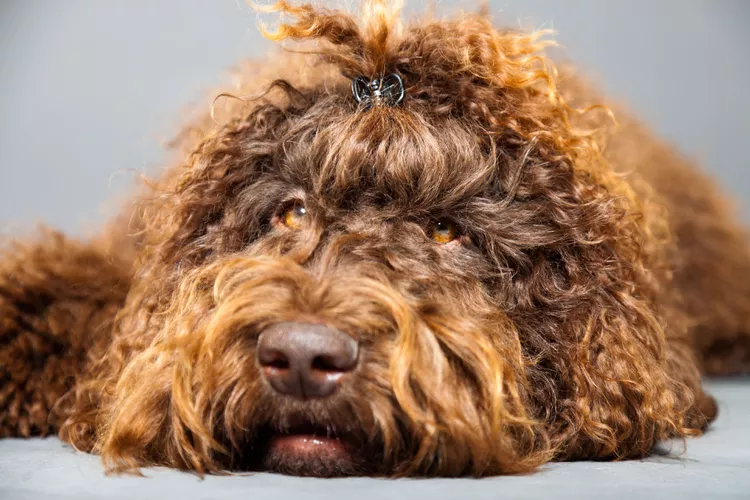
Barbet: Dog Breed Characteristics & Care
Learn about the barbet dog, a French hunting breed that's tough to find in the United States. It's known for its curly coat and calm demeanor.
Bichon Frise: Dog Breed Characteristics & Care
The bichon frise is a fluffy little white dog with a joyful personality. Learn more about its appearance, personality, history, care, and more.
Australian Kelpie: Dog Breed Characteristics & Care
The Australian kelpie is an intelligent, high-energy dog breed developed for herding. Learn about the Australian kelpie, including temperament, appearance, history, and care needs.
How to Teach Your Dog to Play Dead in 4 Steps
Playing dead is a fun dog trick that most dogs can pick up pretty quickly. Learn simple steps to teach your dog to play dead when you say "bang."
Different Meanings of a Dog's Wagging Tail
A dog wagging his tail is a common sight, but it may mean more than you think. Find out why dogs wag their tails and what canine tail wagging means.


