
When a pet owner notices their dog scooting across the carpet, that is sometimes the first sign of a medical issue. Scooting may be seen when a dog has intestinal parasites or when they have allergies. But another common reason is when their anal glands need to be addressed. Here we will discuss what anal glands are, causes and treatments of anal gland impaction, and ways to prevent anal gland issues.
When dogs are seen licking and scooting their rear end across the floor, this may be an indication that they are unable to express their anal glands. Anal glands, also known as anal sacs, are located just inside of a dog’s anus. The material secreted into these pea-sized glands is thick, oily, and foul-smelling. Most wild animals are able to empty these glands voluntarily for scent marking or in self-defense. Domestic animals, on the other hand, have mostly lost this ability. Under normal circumstances, dogs can empty their anal glands while walking and/or defecating. In most cases, owners aren't even aware their dog has emptied their anal glands. A veterinarian will determine if the scooting is due to an anal gland issue and will provide the proper treatment.
When a dog is seen licking its rear and scooting across the floor for the first time, this might be quite worrisome. Sometimes a dog is just experiencing a simple anal gland impaction in which they are unable to express the glands on their own. A veterinarian or a member of their team will manually express the glands. In this case, no further treatment may be necessary, however, if the problem persists, another visit and discussion with the vet may be warranted.
When an anal gland impaction is left untreated, they can become abscessed or infected. A dog experiencing this problem may be seen licking or scooting. But owners may also note their pet is just not acting themselves. They may be seen shivering, hiding, or maybe just having a tough time sitting down. A trip to the vet will confirm that an abscess is present. One or both of the anal glands are difficult to express and the material is thick or pus-like in appearance. A bloody foul-smelling discharge may be noted as well. When it reaches this point, treatment is more involved. Manual expression, antibiotics, and an Elizabethan collar (to prevent licking and biting of the infected area) may be necessary. If the dog appears to be in pain, medication may be sent home to offer relief.
An anal gland rupture occurs when one or more abscessed anal glands are completely full and thus causing them to burst. A draining tract will form outside of the skin. Owners may notice similar signs as seen with impaction and infection, however, they may also see and smell a pungent, usually bloody, pus-like discharge coming from the dog's rear end. Once it is determined that an anal gland rupture has occurred, the affected anal gland(s) will need to be flushed (sometimes this has to be done under anesthesia if they are in a lot of pain) and antibiotics may be infused into the affected anal gland. Pain medication and an Elizabethan collar (to prevent licking and biting of the infected area) may be necessary. Both anal gland infections and ruptures will require follow up visits.
If you notice your dog scooting across the floor suddenly, you should contact your veterinarian so they can help determine the cause as soon as possible.
Treatment will depend on the cause and could include manual expression, antibiotics, or wearing a collar. Some dogs never experience problems with their anal glands, while others may have to come to their vet’s office every few weeks to have them expressed. In this case, adding more fiber to the diet may be an option. This may be in the form of a high fiber diet or fiber supplements. Probiotics may also be helpful. A veterinarian will help decide which option is best. If anal gland issues are still present despite trying recommended treatments, an anal sacculectomy may be suggested. Complications are possible, so speak with a veterinarian to discuss this before a final decision is made.
References:
Brooks, DVM, DABVP, Wendy. "Emptying A Dog's Anal Sacs - Veterinary Partner - VIN". Veterinarypartner.Vin.Com, 2019, https://veterinarypartner.vin.com/default.aspx?pid=19239&id=4951501.
Swollen Lymph Nodes in Dogs
Dogs' lymph node glands may become enlarged due to infection or disease. Learn the causes, treatment, and prevention.
What Is Spaying? All About the Procedure in Dogs
What is a spay? Should you have your dog spayed? Learn what it means to spay a dog, a procedure also known as an ovariohysterectomy.
Can Dogs Eat Popsicles?
You might be wondering can dogs eat popsicles? Certain types of frozen treats are safe for your dog, but you need to be aware of ingredients and allergies
Can Dogs Drink Milk?
Dogs can have milk, providing they are not lactose intolerant. It should really only be given in small quantities though
Can My Dog Eat Tomatoes?
You'll want to keep Fido out of your garden since the tomato plant is toxic, but you can safely offer him ripe tomatoes as a nutrient-packed treat.
Can Dogs Taste Spicy Flavors?
While dogs and humans experience some flavors differently, dogs do taste spicy flavors and in some cases, this can be harmful for them.
Should You Allow Your Indoor Cat to Go Outside?
Here are pros, cons, and safety considerations for allowing indoor cats to explore outdoors and the indoor vs outdoor cats debate, plus safety tips.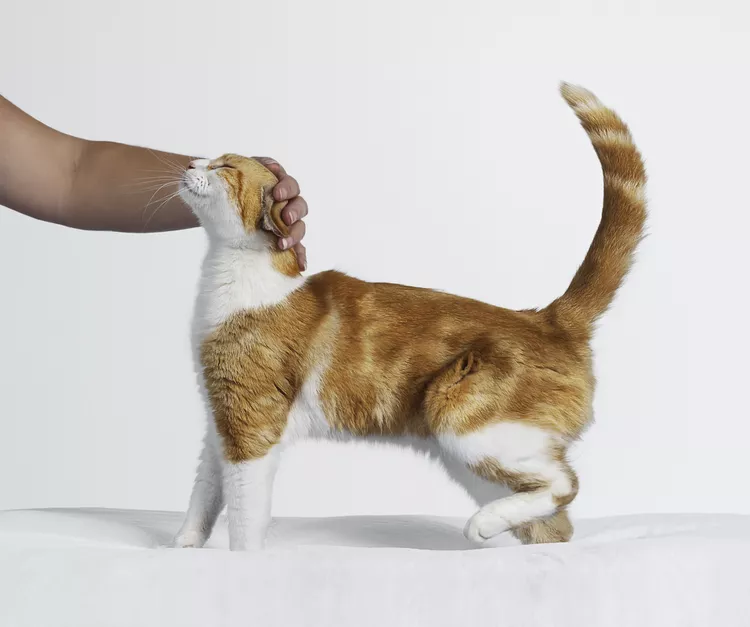
Can My Spayed Cat Still Be in Heat?
If your cat was spayed but appears to be in heat, the condition may be caused by several factors. Learn about them here.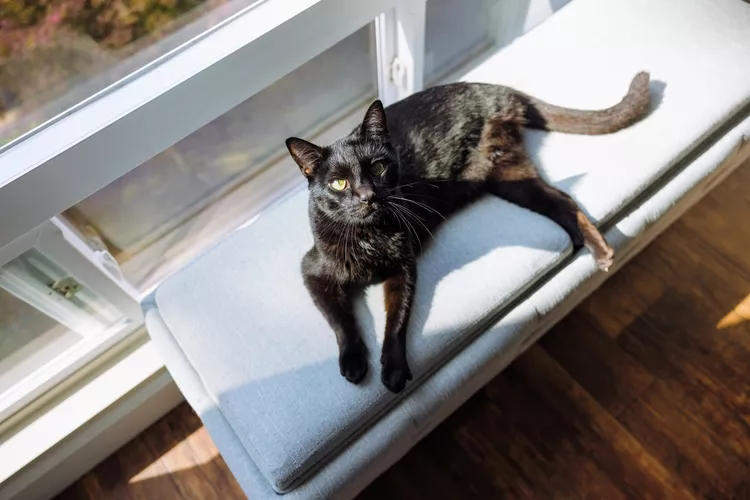
How to Keep Cats Cool in Summer
Summertime means heat and with increased temperatures, you have an increased risk of heatstroke in cats. Find out how to prevent heatstroke and keep your cat cool in the summer.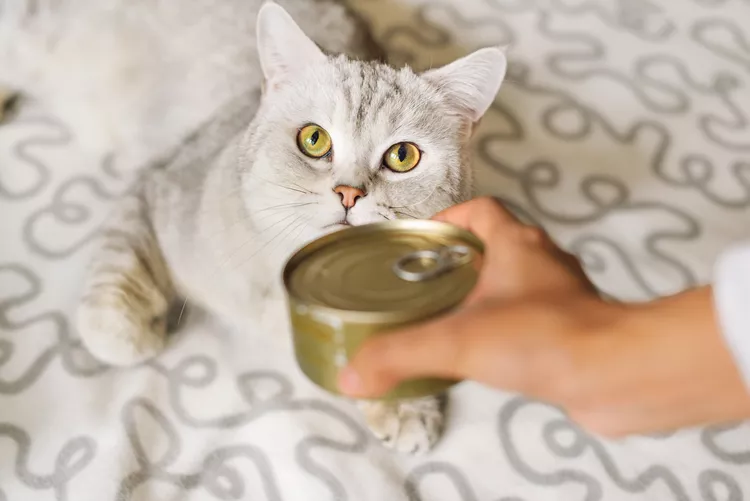
Taurine for Cats
Taurine is an essential animal protein in your cat's diet. Learn more about the various ways it supports your feline's body.
Why Is My Cat Always Hungry and Meowing?
A cat can act like it is always hungry, and there may be a medical reason for this. Learn what behavior is normal and when to see your veterinarian.
Elf Cat: Breed Profile, Characteristics & Care
Elf cats are a new, rare cross between a sphynx and American curl with curly ears and a playful personality.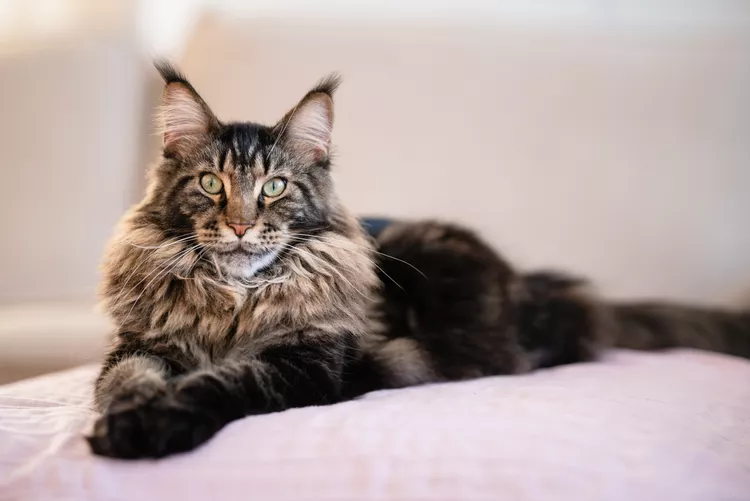
Maine Coon Cat: Breed Profile, Characteristics & Care
The Maine Coon cat is of the largest cat breeds in the world. These amiable, gentle cats make great companions. Learn about the Maine Coon cat breed's appearance, temperament, health, and care needs.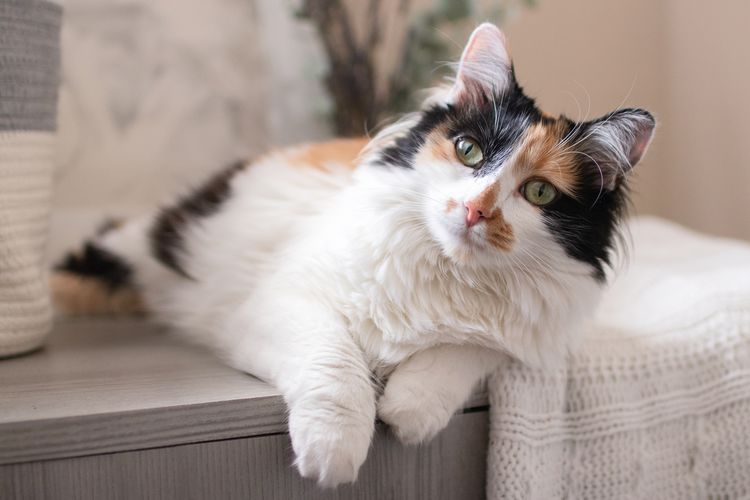
Calico Cat: Breed Profile, Characteristics & Care
Calico cats boast unique tri-color coats, and they are famous for being both spunky and sweet. Learn about the calico cat color pattern.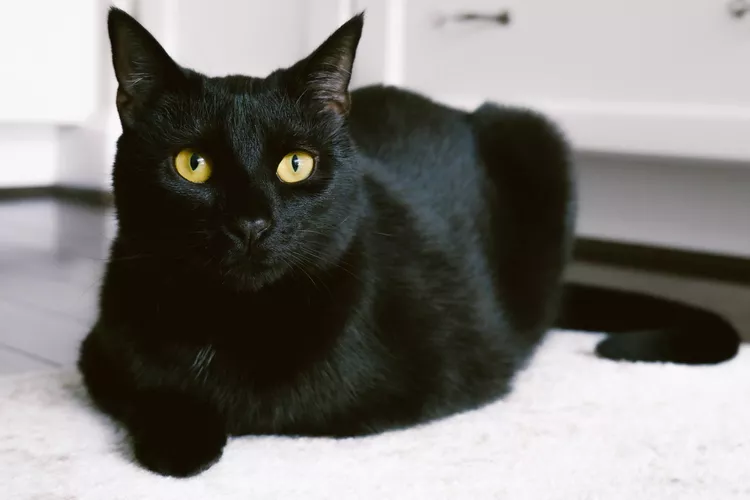
Bombay: Cat Breed Profile, Characteristics & Care
The Bombay cat, a mix of the Burmese and the American shorthair, features an all-black coat, a stocky build, and a friendly demeanor.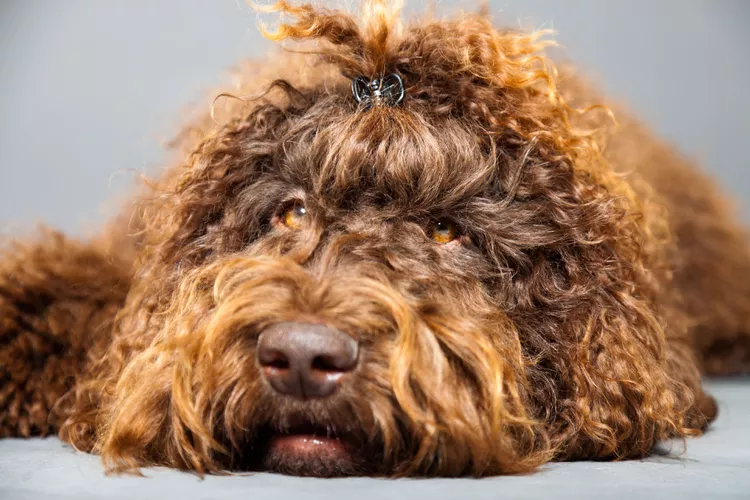
Barbet: Dog Breed Characteristics & Care
Learn about the barbet dog, a French hunting breed that's tough to find in the United States. It's known for its curly coat and calm demeanor.
Bichon Frise: Dog Breed Characteristics & Care
The bichon frise is a fluffy little white dog with a joyful personality. Learn more about its appearance, personality, history, care, and more.
Australian Kelpie: Dog Breed Characteristics & Care
The Australian kelpie is an intelligent, high-energy dog breed developed for herding. Learn about the Australian kelpie, including temperament, appearance, history, and care needs.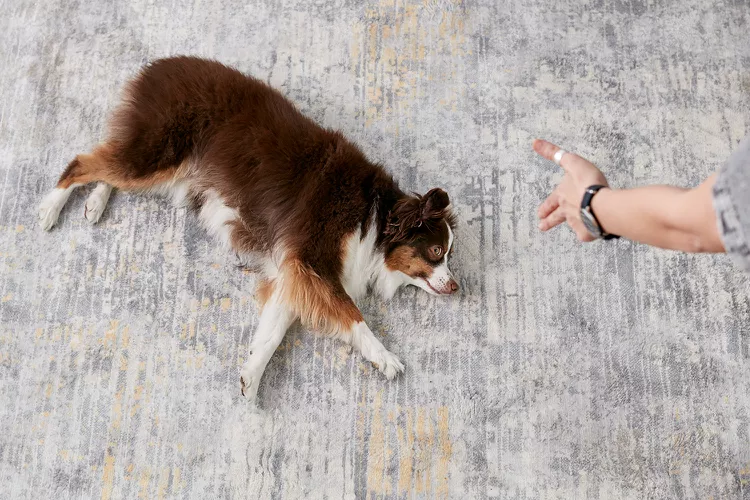
How to Teach Your Dog to Play Dead in 4 Steps
Playing dead is a fun dog trick that most dogs can pick up pretty quickly. Learn simple steps to teach your dog to play dead when you say "bang."
Different Meanings of a Dog's Wagging Tail
A dog wagging his tail is a common sight, but it may mean more than you think. Find out why dogs wag their tails and what canine tail wagging means.


