A liver shunt can go unnoticed in a dog but will likely cause serious health problems if left untreated over time. Severe liver shunts can cause seizures and may be fatal, so recognizing signs of this congenital condition may save your dog's life.
A liver shunt in dogs is a congenital condition (present from birth) in which veins that should carry blood to the liver bypass the liver through an abnormal vessel. This allows blood to enter the body without undergoing the liver's filtration process to remove toxins, medications, and wastes from the blood. It also prevents the absorption of critical nutrients that would normally occur in the liver.
The veterinary terms, this condition is called a portosystemic shunt, or PSS. Some dogs have multiple shunts while others only have one, and dogs can also have intrahepatic (inside the liver) or extrahepatic (outside the liver) shunts.
Most signs of liver shunts appear within the first few weeks of life, but others may not become obvious until later in life if the shunt is less severe.
The most common sign that a dog has a liver shunt is stunted growth. Runts of the litter are often diagnosed with liver shunts since this problem causes issues with nutrient assimilation from food. These small puppies may also be quieter or more reserved than their counterparts due to the issues with energy regulation.
Chronic liver shunts or severe cases may cause a dog to press its head on objects or people, stare at walls and doors, stumble around as though it is drunk, circle, and even have seizures. These neurological signs are often worse after the dog eats a meal.
Occasionally, vomiting and diarrhea may occur in dogs with liver shunts—particularly if the kidneys and bladder are affected by a buildup of toxins in the body. In these cases, excessive thirst and urination may also be seen.
Congenital portosystemic shunts are present at birth and are a result of one of two things that happened in the body:
One other type of liver shunt can occur in dogs due to severe liver disease but this is not present at birth and is called an acquired portosystemic shunt. This type of shunt is not seen in puppies but rather in older dogs that have been battling liver issues.
There is no genetic test for portosystemic shunts in dogs, but breeds commonly affected include:
After a full physical examination, your veterinarian will run blood tests to check the health of the liver and blood. A complete blood count, liver enzyme analysis, and a bile acid test are the starting points for diagnosing a shunt.
A urinalysis may also be performed to assess the health of the bladder and kidneys. Sometimes further diagnostic testing is recommended and may include an ultrasound, X-rays, CT scans, an MRI, or even surgery to visualize the liver and blood vessels.
Surgery is often needed to correct and close the shunt. This type of surgery is usually very successful in dogs with only one extrahepatic shunt but multiple shunts or intrahepatic shunts may be present in some dogs which may not make surgery a curative option.
If surgery is not an option financially, a dog has multiple shunts, or the shunts are intrahepatic then medications and diet may help to manage the symptoms. Special diets that are low in protein and medications to help a dog tolerate protein are often used since dogs with liver shunts cannot metabolize it well. A veterinary nutritionist may be helpful in creating the ideal treatment plan for your specific dog.
The majority of dogs respond well to treatment and go on to live normal lives. However, statistically speaking, surgery tends to produce better outcomes than medical treatment.
If neurological symptoms, such as circling, head pressing, and seizures, are present, this is usually due to the protein waste that isn't excreted from the body due to the liver shunt. Medications may help ameliorate these symptoms. But in extreme cases, euthanasia is elected if symptoms are not able to be managed.
Because nearly all liver shunts are congenital abnormalities, there is little that can prevent them. In purebred dogs, conscientious breeders can attempt to minimize the occurrence of shunts by not breeding any dog whose offspring have been diagnosed with liver shunts.
Swollen Lymph Nodes in Dogs
Dogs' lymph node glands may become enlarged due to infection or disease. Learn the causes, treatment, and prevention.
What Is Spaying? All About the Procedure in Dogs
What is a spay? Should you have your dog spayed? Learn what it means to spay a dog, a procedure also known as an ovariohysterectomy.
Can Dogs Eat Popsicles?
You might be wondering can dogs eat popsicles? Certain types of frozen treats are safe for your dog, but you need to be aware of ingredients and allergies
Can Dogs Drink Milk?
Dogs can have milk, providing they are not lactose intolerant. It should really only be given in small quantities though
Can My Dog Eat Tomatoes?
You'll want to keep Fido out of your garden since the tomato plant is toxic, but you can safely offer him ripe tomatoes as a nutrient-packed treat.
Can Dogs Taste Spicy Flavors?
While dogs and humans experience some flavors differently, dogs do taste spicy flavors and in some cases, this can be harmful for them.
Should You Allow Your Indoor Cat to Go Outside?
Here are pros, cons, and safety considerations for allowing indoor cats to explore outdoors and the indoor vs outdoor cats debate, plus safety tips.
Can My Spayed Cat Still Be in Heat?
If your cat was spayed but appears to be in heat, the condition may be caused by several factors. Learn about them here.
How to Keep Cats Cool in Summer
Summertime means heat and with increased temperatures, you have an increased risk of heatstroke in cats. Find out how to prevent heatstroke and keep your cat cool in the summer.
Taurine for Cats
Taurine is an essential animal protein in your cat's diet. Learn more about the various ways it supports your feline's body.
Why Is My Cat Always Hungry and Meowing?
A cat can act like it is always hungry, and there may be a medical reason for this. Learn what behavior is normal and when to see your veterinarian.
Elf Cat: Breed Profile, Characteristics & Care
Elf cats are a new, rare cross between a sphynx and American curl with curly ears and a playful personality.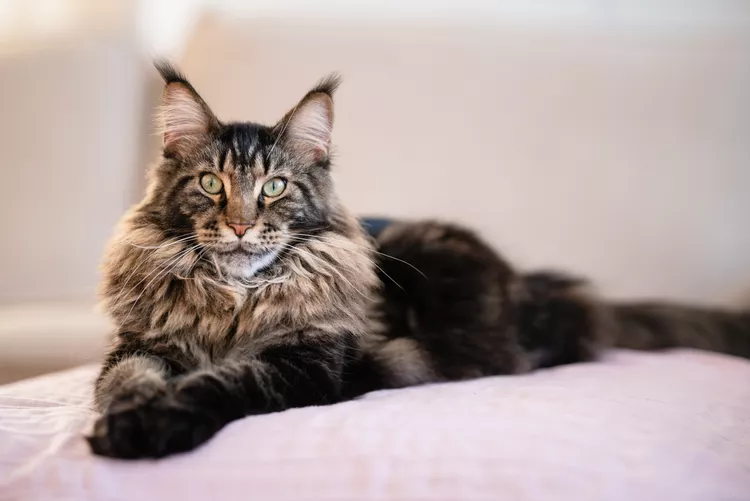
Maine Coon Cat: Breed Profile, Characteristics & Care
The Maine Coon cat is of the largest cat breeds in the world. These amiable, gentle cats make great companions. Learn about the Maine Coon cat breed's appearance, temperament, health, and care needs.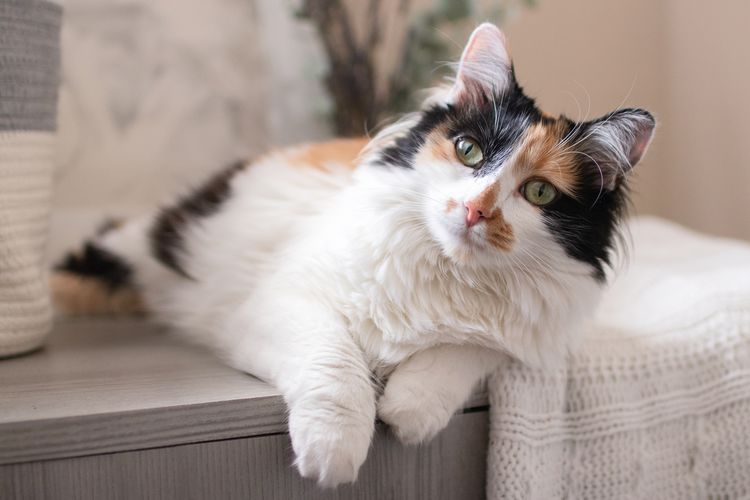
Calico Cat: Breed Profile, Characteristics & Care
Calico cats boast unique tri-color coats, and they are famous for being both spunky and sweet. Learn about the calico cat color pattern.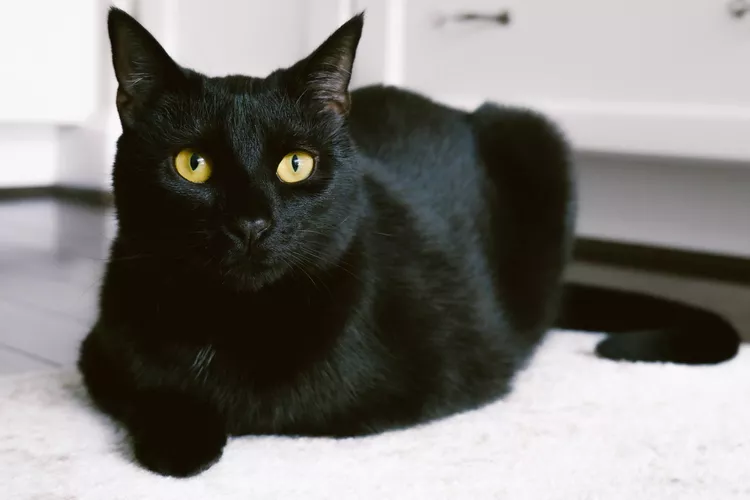
Bombay: Cat Breed Profile, Characteristics & Care
The Bombay cat, a mix of the Burmese and the American shorthair, features an all-black coat, a stocky build, and a friendly demeanor.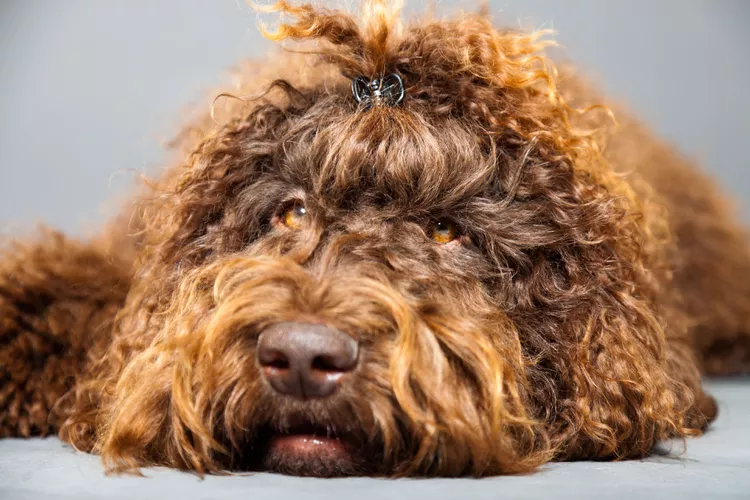
Barbet: Dog Breed Characteristics & Care
Learn about the barbet dog, a French hunting breed that's tough to find in the United States. It's known for its curly coat and calm demeanor.
Bichon Frise: Dog Breed Characteristics & Care
The bichon frise is a fluffy little white dog with a joyful personality. Learn more about its appearance, personality, history, care, and more.
Australian Kelpie: Dog Breed Characteristics & Care
The Australian kelpie is an intelligent, high-energy dog breed developed for herding. Learn about the Australian kelpie, including temperament, appearance, history, and care needs.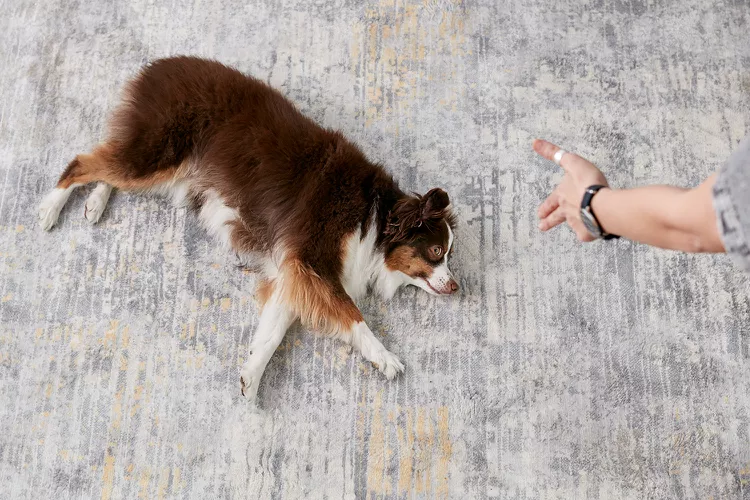
How to Teach Your Dog to Play Dead in 4 Steps
Playing dead is a fun dog trick that most dogs can pick up pretty quickly. Learn simple steps to teach your dog to play dead when you say "bang."
Different Meanings of a Dog's Wagging Tail
A dog wagging his tail is a common sight, but it may mean more than you think. Find out why dogs wag their tails and what canine tail wagging means.


