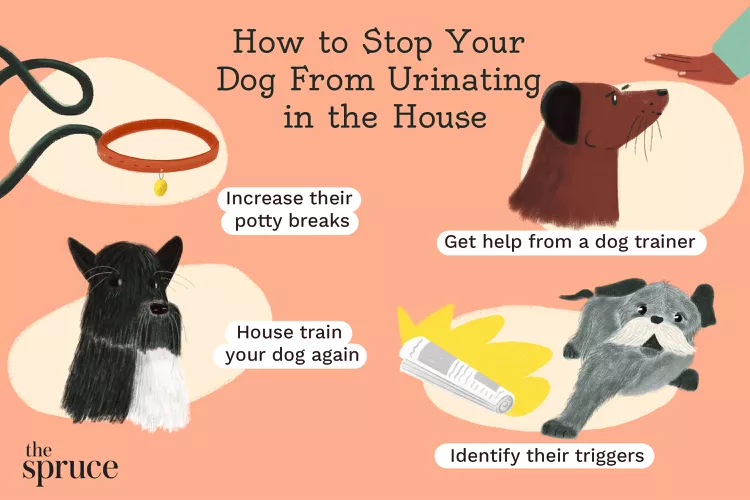
A dog peeing in the house can be very frustrating, especially when it's a housetrained adult dog. Inappropriate urination is a common issue in dogs that may be caused by a medical or behavioral issue and should be addressed as soon as possible.
The first step is to figure out why your dog is having urinary issues and seek veterinary attention if necessary. Here are some potential reasons why your dog is peeing in the house and what you should do next.
Dogs may pee in the house for several reasons, and it's often called "inappropriate urination" by vets. This is a relatively common problem in dogs that is usually addressed during puppyhood. If your dog is a puppy, then house training might not be complete yet.
If your dog is house-trained and the inappropriate peeing started well after house training was complete, then there are other potential reasons for the behavior. First, rule out health problems before investigating behavioral causes for inappropriate urination.
Here are some common causes of inappropriate urination in dogs:
If your dog suddenly starts peeing in the house (or other unacceptable places), it could be caused by a urinary tract infection. This is a common cause of inappropriate urination and one of the most frequently seen health problems in dogs.
Watch for other signs, such as increased thirst, frequent urination, blood in the urine, and straining to pee. Some dogs will pee in the house after being outside, possibly because they have to go so frequently.
Before you get frustrated, go see your vet for an exam and consultation. Your vet will most likely want a urine sample from your dog to perform a urinalysis and possibly a urine culture. This test is done to look for bacteria and abnormal cells in the urine. If your vet diagnoses a urinary tract infection, the next step is a course of antibiotics.
Other possible urinary issues your vet might find include cystitis (inflammation of the bladder), crystals in the urine, bladder stones, structural abnormalities, a kidney infection, or bladder cancer. Most urinary issues can be treated with medications, supplements, and/or diet changes. In more extreme cases, issues like bladder stones may require surgery.
If your vet doesn't find a urinary tract problem, the next step is to look for other potential health issues.
Urinary incontinence is often associated with senior dogs, but some dogs develop incontinence as young adults. If your dog is leaking or dribbling sporadically, leaving urine puddles in the bed or on the floor during naps, incontinence may be the culprit. It's important to know that your dog doesn't realize it's happening and has no control over it. Fortunately, incontinence can sometimes be treated with medication.
On the other hand, if your dog consciously pees large quantities in inappropriate areas, it's probably not incontinence. Talk to your vet to learn more.
Certain health problems may lead to urinary issues, such as kidney disease, diabetes, and adrenal gland issues such as Cushing's disease. Your dog could be experiencing an injury, joint issues, or arthritis, making it painful for them to get up to go outside for potty breaks. Your vet may recommend additional diagnostic testing to rule out one or more diseases depending on your dog's other symptoms (if any). Treatment will depend on the diagnosis.
Puppies may still have accidents when they're being house-trained, but old age can bring on other causes of urinary accidents. Forms of dementia or senility, called cognitive dysfunction, can occur in aging dogs, leading to house soiling. These dogs may forget their house training or simply forget where they are.
Other health issues, such as kidney failure, tend to crop up in old age as well. This is another reason to get your veterinarian involved early and often. In some cases, dementia can be somewhat managed with medications and supplements. Many people who have senior dogs with urinary issues choose to use doggie diapers or belly bands. You can also line the dog's bedding and other frequented areas with absorbent pads.
Once your vet has ruled out all health issues, you and your dog are likely facing a behavioral issue.
Whatever you do, don't give up on your dog or give your dog away—you can work through this. Of course, you might need to get some additional help. In the meantime, be patient with your canine companion and try taking one or more of these 7 simple steps to help your dog.
Swollen Lymph Nodes in Dogs
Dogs' lymph node glands may become enlarged due to infection or disease. Learn the causes, treatment, and prevention.
What Is Spaying? All About the Procedure in Dogs
What is a spay? Should you have your dog spayed? Learn what it means to spay a dog, a procedure also known as an ovariohysterectomy.
Can Dogs Eat Popsicles?
You might be wondering can dogs eat popsicles? Certain types of frozen treats are safe for your dog, but you need to be aware of ingredients and allergies
Can Dogs Drink Milk?
Dogs can have milk, providing they are not lactose intolerant. It should really only be given in small quantities though
Can My Dog Eat Tomatoes?
You'll want to keep Fido out of your garden since the tomato plant is toxic, but you can safely offer him ripe tomatoes as a nutrient-packed treat.
Can Dogs Taste Spicy Flavors?
While dogs and humans experience some flavors differently, dogs do taste spicy flavors and in some cases, this can be harmful for them.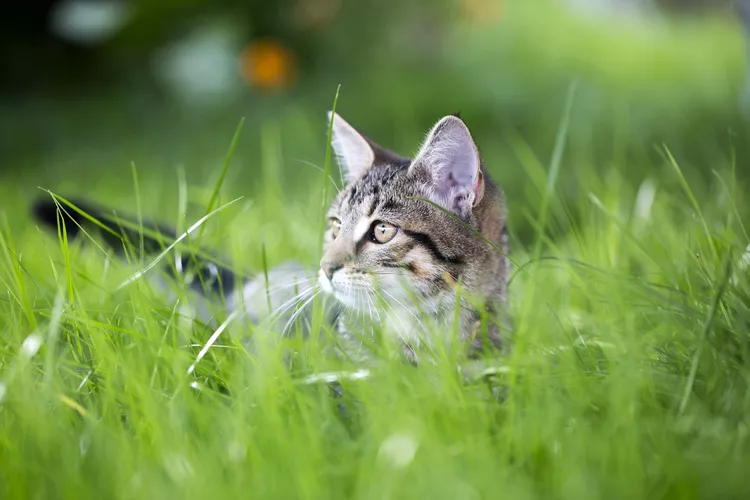
Should You Allow Your Indoor Cat to Go Outside?
Here are pros, cons, and safety considerations for allowing indoor cats to explore outdoors and the indoor vs outdoor cats debate, plus safety tips.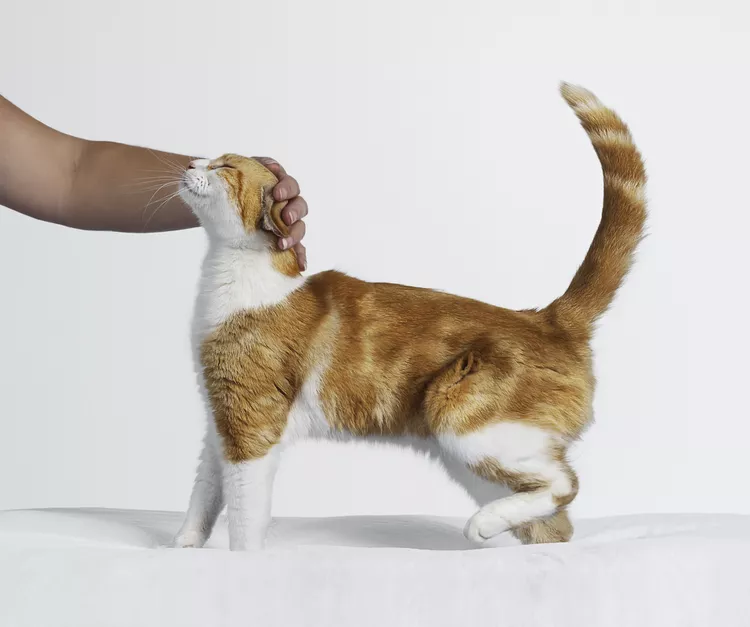
Can My Spayed Cat Still Be in Heat?
If your cat was spayed but appears to be in heat, the condition may be caused by several factors. Learn about them here.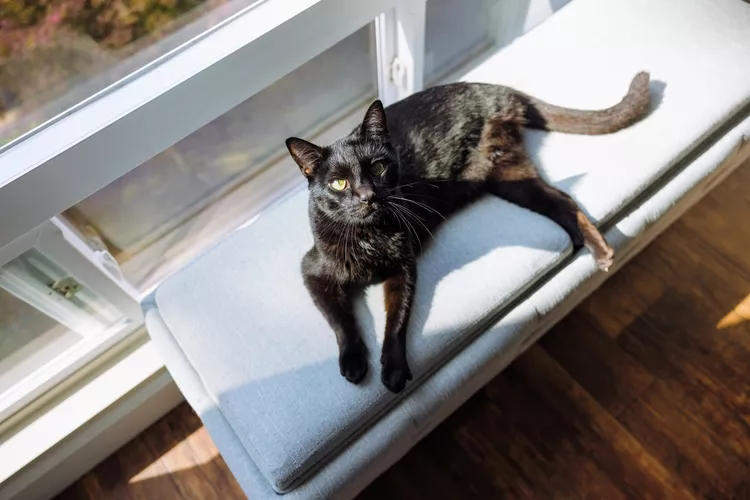
How to Keep Cats Cool in Summer
Summertime means heat and with increased temperatures, you have an increased risk of heatstroke in cats. Find out how to prevent heatstroke and keep your cat cool in the summer.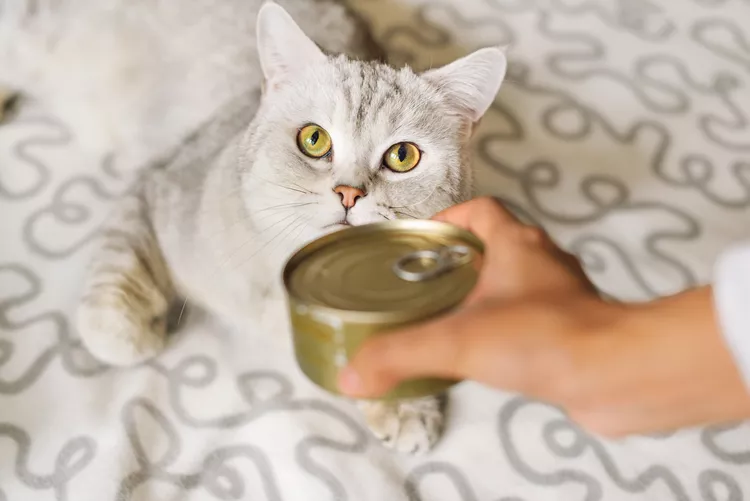
Taurine for Cats
Taurine is an essential animal protein in your cat's diet. Learn more about the various ways it supports your feline's body.
Why Is My Cat Always Hungry and Meowing?
A cat can act like it is always hungry, and there may be a medical reason for this. Learn what behavior is normal and when to see your veterinarian.
Elf Cat: Breed Profile, Characteristics & Care
Elf cats are a new, rare cross between a sphynx and American curl with curly ears and a playful personality.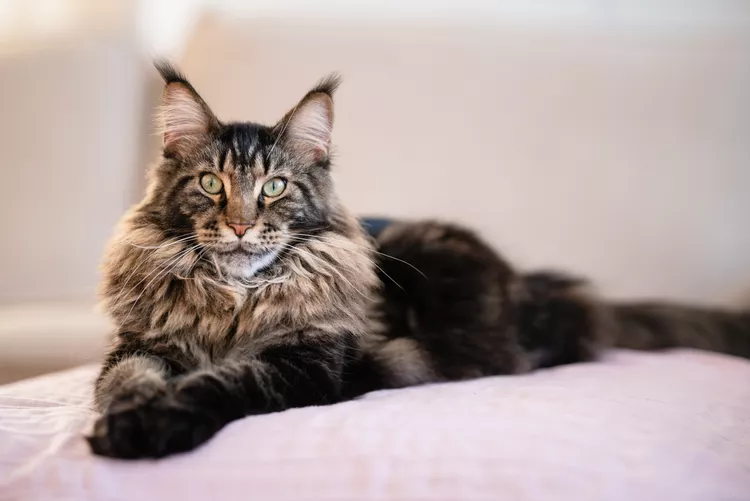
Maine Coon Cat: Breed Profile, Characteristics & Care
The Maine Coon cat is of the largest cat breeds in the world. These amiable, gentle cats make great companions. Learn about the Maine Coon cat breed's appearance, temperament, health, and care needs.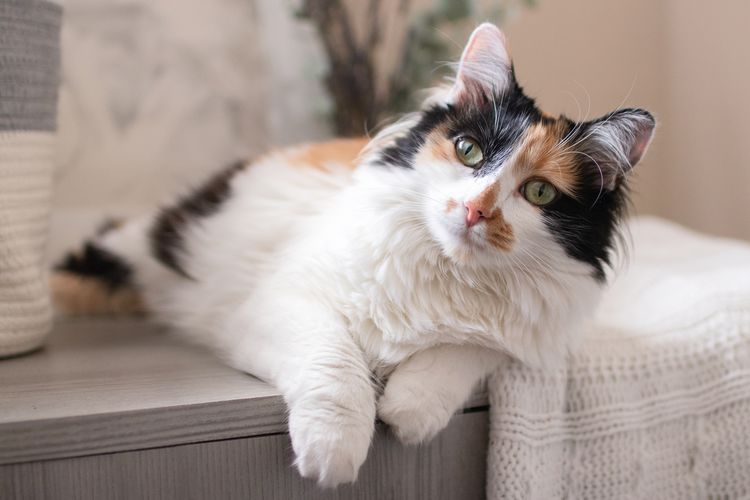
Calico Cat: Breed Profile, Characteristics & Care
Calico cats boast unique tri-color coats, and they are famous for being both spunky and sweet. Learn about the calico cat color pattern.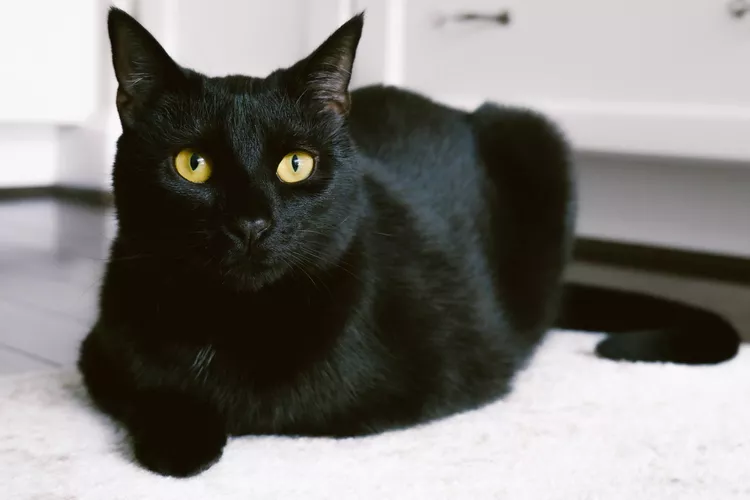
Bombay: Cat Breed Profile, Characteristics & Care
The Bombay cat, a mix of the Burmese and the American shorthair, features an all-black coat, a stocky build, and a friendly demeanor.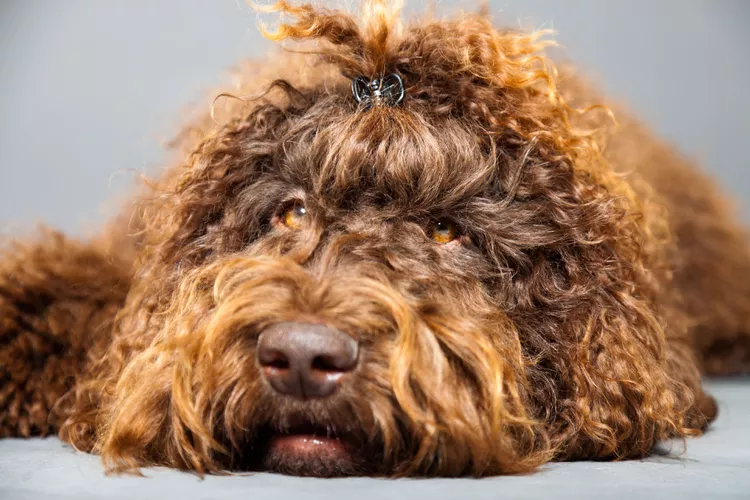
Barbet: Dog Breed Characteristics & Care
Learn about the barbet dog, a French hunting breed that's tough to find in the United States. It's known for its curly coat and calm demeanor.
Bichon Frise: Dog Breed Characteristics & Care
The bichon frise is a fluffy little white dog with a joyful personality. Learn more about its appearance, personality, history, care, and more.
Australian Kelpie: Dog Breed Characteristics & Care
The Australian kelpie is an intelligent, high-energy dog breed developed for herding. Learn about the Australian kelpie, including temperament, appearance, history, and care needs.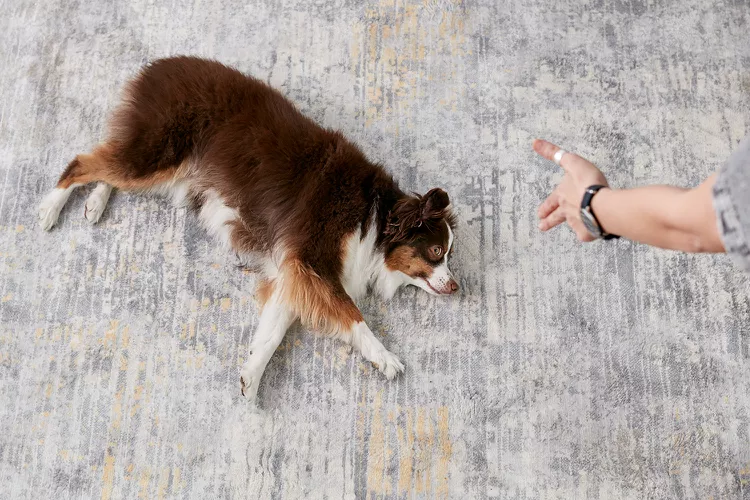
How to Teach Your Dog to Play Dead in 4 Steps
Playing dead is a fun dog trick that most dogs can pick up pretty quickly. Learn simple steps to teach your dog to play dead when you say "bang."
Different Meanings of a Dog's Wagging Tail
A dog wagging his tail is a common sight, but it may mean more than you think. Find out why dogs wag their tails and what canine tail wagging means.


