
Jumping up is a common behavior problem among dogs, but there are several solutions to stop a dog from jumping on you when excited. Most of the time, jumping only indicates that your dog is seeking attention. The good news is that you can train your dog to stop jumping on people and start greeting everyone more politely.
Here's how to curb your dog's bunny rabbit-like behavior.
You might inadvertently be rewarding your dog for jumping up on you by giving them what they want; your attention. Even negative attention may be better than no attention to some dogs so if you are yelling or reacting in a dramatic way when your dog jumps, this can still reinforce the behavior. Your dog doesn't necessarily realize that when you push them off or yell at them to get down that you're attempting to discourage them.
In this case, any attention your dog gets from you or others may be perceived as a reward. It makes sense then that if you want to teach your dog not to jump, it will need to be rewarded for keeping all four paws on the ground, instead of jumping up.
Training your dog not to jump up on people takes patience and persistence on your part. Be aware that there are actions that you should take and others that you should avoid. Be consistent when you're training your dog, and you'll be rewarded with a best friend who keeps its front paws to itself.
The first part of teaching a dog not to jump up involves withholding your attention. There are a couple of ways to do this:
When you're working on preventing unwanted jumping, it can really help to keep some treats close at hand. As soon as your dog is standing in front of you with all four paws on the ground, toss it a treat. Praise your dog as well, but keep things low-key. Too much excitement or high-pitched squeals from you may stimulate another round of jumping. Try to project a calm, quiet, presence.
It helps if you can set up situations to practice with your dog. For instance, if the jumping occurs most often when you come home after work, spend a few minutes several times a day coming and going. Don't make a big fuss over your dog and step back outside if it jumps up. Offer a reward anytime all four feet are simultaneously on the floor.
Once your dog is able to keep four paws on the floor for a few seconds or more, start asking it to sit. Walk into a room or through the front door and give the command "sit." As soon as the dog sits, offer a treat. Practice this over several training sessions. With plenty of repetitions, your dog will start sitting as soon as you walk through the door or enter the room.
It's not enough that you practice with your dog. You should also involve friends and family in this training. Otherwise, your dog may learn that it's not OK to jump up on you but everyone else is fair game. Having other people help with this training teaches your dog to keep all four paws down no matter who comes into the room.
You may have heard about methods of training a dog not to jump that call for physical punishment or aversive. One such method is a knee to the dog's chest. Another is using leash correction—pulling or yanking on the leash—to get the dog off you. There are several problems with these methods:
Lavender is an essential oil commonly used for aromatherapy and is known to be soothing to the central nervous system and calming when inhaled by humans and animals alike!
Disciplining using painful or scary stimuli will not be as effective as rewarding good behavior. Always prioritize positive reinforcement with your dog.

Swollen Lymph Nodes in Dogs
Dogs' lymph node glands may become enlarged due to infection or disease. Learn the causes, treatment, and prevention.
What Is Spaying? All About the Procedure in Dogs
What is a spay? Should you have your dog spayed? Learn what it means to spay a dog, a procedure also known as an ovariohysterectomy.
Can Dogs Eat Popsicles?
You might be wondering can dogs eat popsicles? Certain types of frozen treats are safe for your dog, but you need to be aware of ingredients and allergies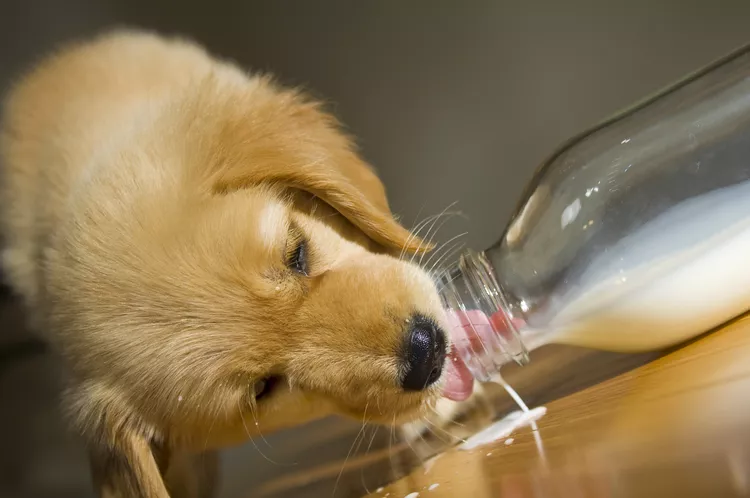
Can Dogs Drink Milk?
Dogs can have milk, providing they are not lactose intolerant. It should really only be given in small quantities though
Can My Dog Eat Tomatoes?
You'll want to keep Fido out of your garden since the tomato plant is toxic, but you can safely offer him ripe tomatoes as a nutrient-packed treat.
Can Dogs Taste Spicy Flavors?
While dogs and humans experience some flavors differently, dogs do taste spicy flavors and in some cases, this can be harmful for them.
Should You Allow Your Indoor Cat to Go Outside?
Here are pros, cons, and safety considerations for allowing indoor cats to explore outdoors and the indoor vs outdoor cats debate, plus safety tips.
Can My Spayed Cat Still Be in Heat?
If your cat was spayed but appears to be in heat, the condition may be caused by several factors. Learn about them here.
How to Keep Cats Cool in Summer
Summertime means heat and with increased temperatures, you have an increased risk of heatstroke in cats. Find out how to prevent heatstroke and keep your cat cool in the summer.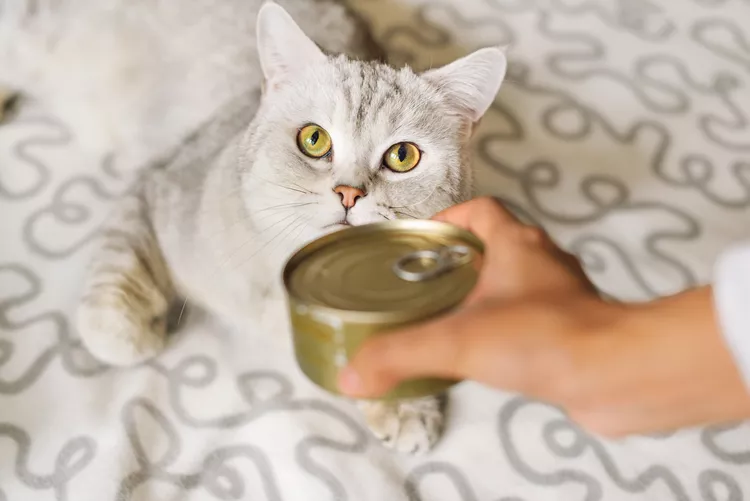
Taurine for Cats
Taurine is an essential animal protein in your cat's diet. Learn more about the various ways it supports your feline's body.
Why Is My Cat Always Hungry and Meowing?
A cat can act like it is always hungry, and there may be a medical reason for this. Learn what behavior is normal and when to see your veterinarian.
Elf Cat: Breed Profile, Characteristics & Care
Elf cats are a new, rare cross between a sphynx and American curl with curly ears and a playful personality.
Maine Coon Cat: Breed Profile, Characteristics & Care
The Maine Coon cat is of the largest cat breeds in the world. These amiable, gentle cats make great companions. Learn about the Maine Coon cat breed's appearance, temperament, health, and care needs.
Calico Cat: Breed Profile, Characteristics & Care
Calico cats boast unique tri-color coats, and they are famous for being both spunky and sweet. Learn about the calico cat color pattern.
Bombay: Cat Breed Profile, Characteristics & Care
The Bombay cat, a mix of the Burmese and the American shorthair, features an all-black coat, a stocky build, and a friendly demeanor.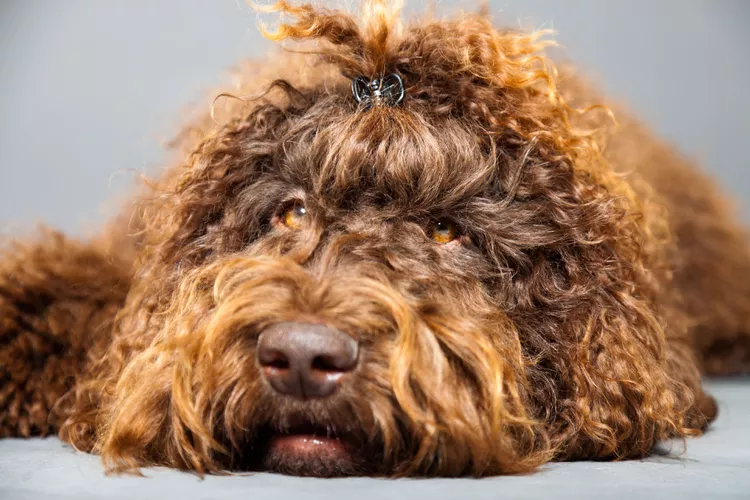
Barbet: Dog Breed Characteristics & Care
Learn about the barbet dog, a French hunting breed that's tough to find in the United States. It's known for its curly coat and calm demeanor.
Bichon Frise: Dog Breed Characteristics & Care
The bichon frise is a fluffy little white dog with a joyful personality. Learn more about its appearance, personality, history, care, and more.
Australian Kelpie: Dog Breed Characteristics & Care
The Australian kelpie is an intelligent, high-energy dog breed developed for herding. Learn about the Australian kelpie, including temperament, appearance, history, and care needs.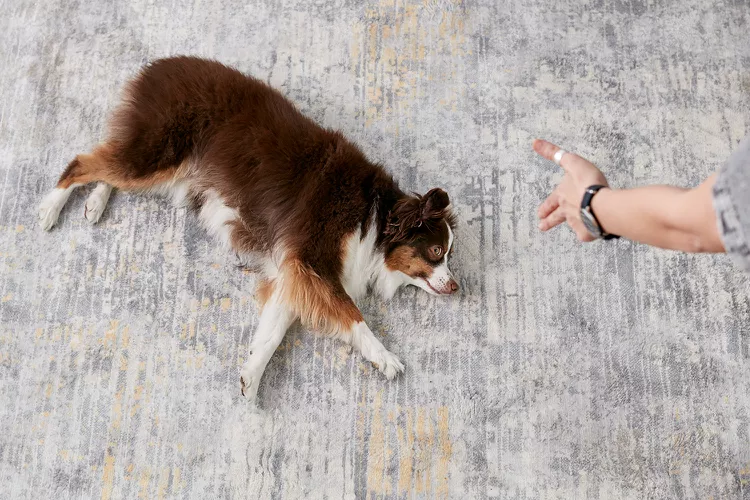
How to Teach Your Dog to Play Dead in 4 Steps
Playing dead is a fun dog trick that most dogs can pick up pretty quickly. Learn simple steps to teach your dog to play dead when you say "bang."
Different Meanings of a Dog's Wagging Tail
A dog wagging his tail is a common sight, but it may mean more than you think. Find out why dogs wag their tails and what canine tail wagging means.


