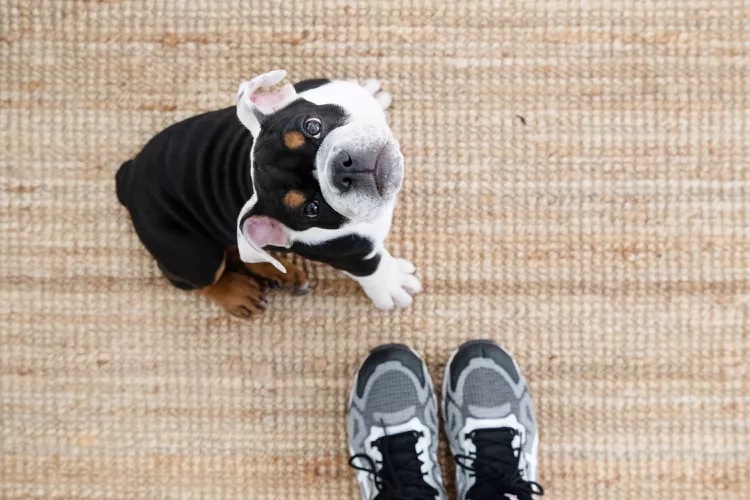
Whether you named your dog Shadow or not, there’s a good chance that your canine companion follows you around the house. Many dogs seem to love (or even need) to follow their owners around. While this generally is just a sign of your dog’s interest in you, it can also be a symptom of underlying anxiety or lack of confidence in your dog.
Whether you find your dog’s shadow-like behaviors cute, annoying, or concerning, you might want to learn why your pup does this. There are several common reasons for your dog to follow you around.
We bred dogs for generations and generations to want to be around us. The fact that most dogs spent their days alone is a really new thing for them. Because dogs are such social creatures, they are often strongly motivated to be in our presence as much as possible while we’re around.
Many dogs don’t really get enough physical and mental exercise every day. This can lead to them following their people all over the place, looking for something—anything—to do. If you give your dog a chew toy, does he stop? If so, he was probably bored!
If your dog hasn’t gone potty for a while and he’s suddenly glued to your side, it might be a sign that your dog needs to get outside! Many dogs become especially clingy when they are feeling unwell or otherwise need some help. Try taking your dog outside and see if he needs to go potty.
Some dogs rely on our social presence because they’re actually nervous about being alone. This can be a symptom of separation anxiety according to some studies. But many dogs that are generally “worried about life” also exhibit shadowing behavior, especially during storms or other worrisome times!
Watch your dog’s body language to determine if his shadowing behavior is motivated by fear of the unknown versus desire to be near you. An anxious dog may display pinned ears, wide eyes, grimaced panting, or increased tension as you get ready to leave. Dogs who are actually anxious might not be willing to eat a treat or play with a toy while you leave the room.
On the flip side, your dog may follow you around because you’re "The Bringer of Good Things." If you regularly engage with your dog in a positive way, your dog is probably just following you because you’re a good person to be around! Take it as a compliment and keep it up.
Some breeds are simply more predisposed to following their owners around than others! Herding breeds like Border Collies and Shelties, as well as guardian breeds like Great Pyrenees and German Shepherds are especially prone to following their owners around. Humans bred these dogs for thousands of years to follow around flocks of sheep. In the absence of sheep or other livestock, these dogs may follow their owners instead.
In general, the fact that your dog follows you around isn’t a big deal. There are two main exceptions to this rule: if you find it annoying or if your dog is actually distressed by being alone. There’s a big difference between your dog loving your presence and your dog hating to be alone.
Try putting your dog behind a baby gate or tying his leash to a door, then leave the room. Or, if your dog normally joins you in the bathroom, leave him outside for a moment. If your dog gets upset by this, then it’s time to work on some “independence training.”
It’s also okay to admit that your dog’s shadowing behavior is a bit much. We all love our dogs, but most of us also like to have a bit of personal space. In either case, follow the steps below to teach your dog to give you more space.
If you’ve determined that you’d like your dog to stop following you around, there’s a relatively simple solution: give him something else to do instead.
A helpful way to boost independence in clingy dogs is to teach them how to lie calmly on a bed, towel, or mat. There are several methods that can prove successful when it comes to training your pup how to do this. Karen Overall's Protocol for Relaxation, which teaches your pup to sit and remain calm no matter the circumstances, is one option.
In this method, take a new bed or mat and ask your dog to lie down on it. Each time he successfully does so, reward him with a treat. After he masters this command, begin incorporating distractions like setting treats down nearby or having a family member stand a few feet from his mat. Eventually, he will learn to lie down and stay on his designated mat for extended periods of time.
Swollen Lymph Nodes in Dogs
Dogs' lymph node glands may become enlarged due to infection or disease. Learn the causes, treatment, and prevention.
What Is Spaying? All About the Procedure in Dogs
What is a spay? Should you have your dog spayed? Learn what it means to spay a dog, a procedure also known as an ovariohysterectomy.
Can Dogs Eat Popsicles?
You might be wondering can dogs eat popsicles? Certain types of frozen treats are safe for your dog, but you need to be aware of ingredients and allergies
Can Dogs Drink Milk?
Dogs can have milk, providing they are not lactose intolerant. It should really only be given in small quantities though
Can My Dog Eat Tomatoes?
You'll want to keep Fido out of your garden since the tomato plant is toxic, but you can safely offer him ripe tomatoes as a nutrient-packed treat.
Can Dogs Taste Spicy Flavors?
While dogs and humans experience some flavors differently, dogs do taste spicy flavors and in some cases, this can be harmful for them.
Should You Allow Your Indoor Cat to Go Outside?
Here are pros, cons, and safety considerations for allowing indoor cats to explore outdoors and the indoor vs outdoor cats debate, plus safety tips.
Can My Spayed Cat Still Be in Heat?
If your cat was spayed but appears to be in heat, the condition may be caused by several factors. Learn about them here.
How to Keep Cats Cool in Summer
Summertime means heat and with increased temperatures, you have an increased risk of heatstroke in cats. Find out how to prevent heatstroke and keep your cat cool in the summer.
Taurine for Cats
Taurine is an essential animal protein in your cat's diet. Learn more about the various ways it supports your feline's body.
Why Is My Cat Always Hungry and Meowing?
A cat can act like it is always hungry, and there may be a medical reason for this. Learn what behavior is normal and when to see your veterinarian.
Elf Cat: Breed Profile, Characteristics & Care
Elf cats are a new, rare cross between a sphynx and American curl with curly ears and a playful personality.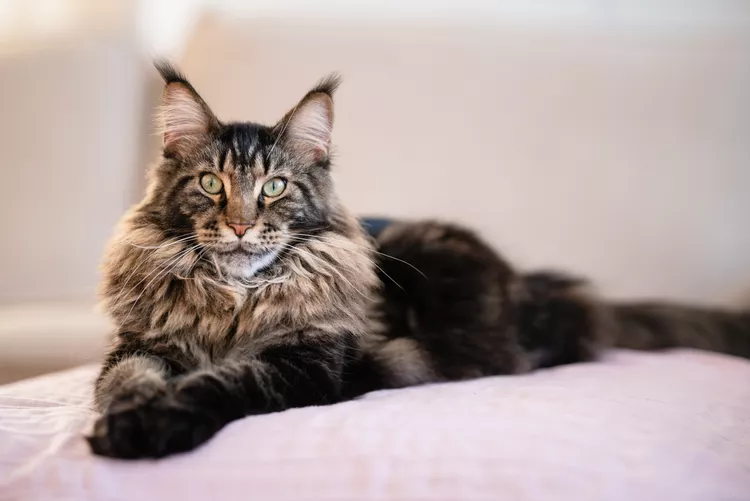
Maine Coon Cat: Breed Profile, Characteristics & Care
The Maine Coon cat is of the largest cat breeds in the world. These amiable, gentle cats make great companions. Learn about the Maine Coon cat breed's appearance, temperament, health, and care needs.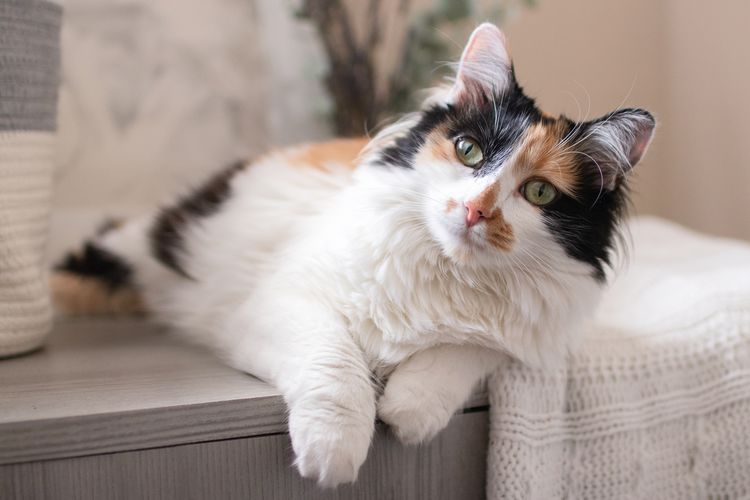
Calico Cat: Breed Profile, Characteristics & Care
Calico cats boast unique tri-color coats, and they are famous for being both spunky and sweet. Learn about the calico cat color pattern.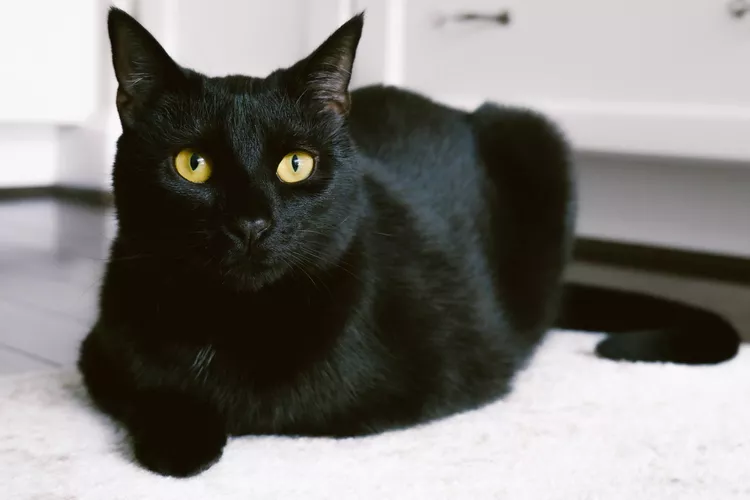
Bombay: Cat Breed Profile, Characteristics & Care
The Bombay cat, a mix of the Burmese and the American shorthair, features an all-black coat, a stocky build, and a friendly demeanor.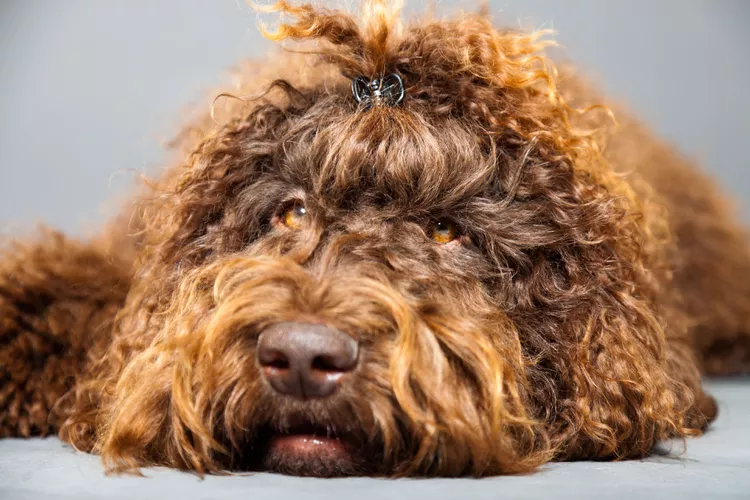
Barbet: Dog Breed Characteristics & Care
Learn about the barbet dog, a French hunting breed that's tough to find in the United States. It's known for its curly coat and calm demeanor.
Bichon Frise: Dog Breed Characteristics & Care
The bichon frise is a fluffy little white dog with a joyful personality. Learn more about its appearance, personality, history, care, and more.
Australian Kelpie: Dog Breed Characteristics & Care
The Australian kelpie is an intelligent, high-energy dog breed developed for herding. Learn about the Australian kelpie, including temperament, appearance, history, and care needs.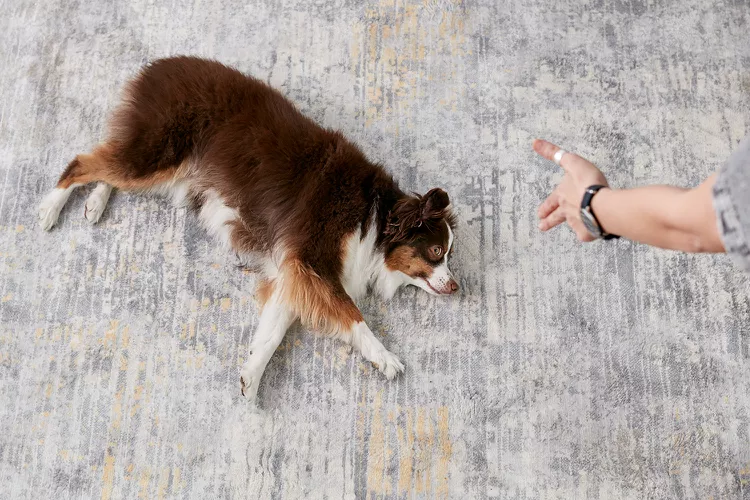
How to Teach Your Dog to Play Dead in 4 Steps
Playing dead is a fun dog trick that most dogs can pick up pretty quickly. Learn simple steps to teach your dog to play dead when you say "bang."
Different Meanings of a Dog's Wagging Tail
A dog wagging his tail is a common sight, but it may mean more than you think. Find out why dogs wag their tails and what canine tail wagging means.


