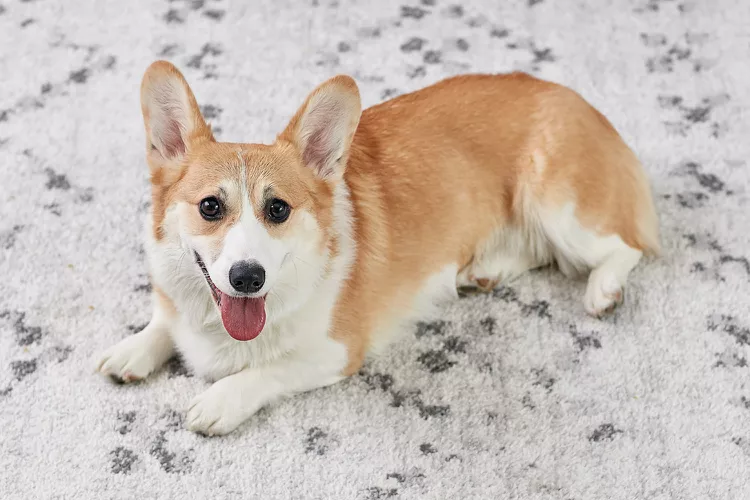
"Down" or "lie down" is an important basic command for your dog to learn. Ideally, all dogs should know how to lie down when asked by their owners. The "down" command can be very useful when you need your dog to relax in a hectic situation or to keep him in a stay position for a long period of time. It's also the first step in some dog tricks, including the popular rollover. Luckily, teaching "down" to your dog is almost as simple as training your dog to sit.
When your dog is in the proper down position, its chest, elbows, and hocks are in contact with the ground. Ideally, it should stay there until you release it. With practice, you can get your dog to perfect its down, and it is an easy command to teach.
Before you begin, make sure you have plenty of delicious training treats to offer your dog. Ideally, the treats should be small, soft, and delicious to your dog. Reserve these treats for training sessions only and use different treats for general rewards.
Set aside five to ten minutes in an area free of distractions. If you use clicker training with your dog, be sure to have your clicker handy.
It's best to have short training sessions once or twice a day. Have the sessions in various locations, including both indoor and outdoor areas. Always try to end the sessions on a positive note. If needed, find another cue that your dog knows (like sit) and end with that followed by a treat.
When your dog can successfully lie down on command, it's time to introduce your release word. This is what you'll say when you give permission for your dog to get up. Many people use the word "OK" for the release cue, but any word you want to use will work as long as you're consistent.
Start with small increments of time, making your dog lie down for no more than 30 seconds before releasing him. To instill this, you can use the "stay" command and then your release command when you're ready to let the dog go. Work your way up to longer periods of time so your dog will stay down until you say "OK," no matter how long it is.
If you are still having trouble getting your dog to lie down with treats, you can try marking the behavior. Next time your dog naturally lies down, say “down,” then praise and reward it. Try this every time you catch it lying down. You'll probably need to carry treats with you if this is going to work. It's also fairly easy to capture behaviors with a clicker.
When your dog responds quickly to the down cue, try to gradually add in distractions. You should also proof the behavior by training in multiple locations and scenarios.
Once your dog becomes an expert at lying down, you no longer need to give a treat every time. It's a good idea to give treats occasionally to reinforce the behavior. In addition, rewarding with praise is always a good idea. After all, your dog loves to please you, the treats are just a bonus.

Swollen Lymph Nodes in Dogs
Dogs' lymph node glands may become enlarged due to infection or disease. Learn the causes, treatment, and prevention.
What Is Spaying? All About the Procedure in Dogs
What is a spay? Should you have your dog spayed? Learn what it means to spay a dog, a procedure also known as an ovariohysterectomy.
Can Dogs Eat Popsicles?
You might be wondering can dogs eat popsicles? Certain types of frozen treats are safe for your dog, but you need to be aware of ingredients and allergies
Can Dogs Drink Milk?
Dogs can have milk, providing they are not lactose intolerant. It should really only be given in small quantities though
Can My Dog Eat Tomatoes?
You'll want to keep Fido out of your garden since the tomato plant is toxic, but you can safely offer him ripe tomatoes as a nutrient-packed treat.
Can Dogs Taste Spicy Flavors?
While dogs and humans experience some flavors differently, dogs do taste spicy flavors and in some cases, this can be harmful for them.
Should You Allow Your Indoor Cat to Go Outside?
Here are pros, cons, and safety considerations for allowing indoor cats to explore outdoors and the indoor vs outdoor cats debate, plus safety tips.
Can My Spayed Cat Still Be in Heat?
If your cat was spayed but appears to be in heat, the condition may be caused by several factors. Learn about them here.
How to Keep Cats Cool in Summer
Summertime means heat and with increased temperatures, you have an increased risk of heatstroke in cats. Find out how to prevent heatstroke and keep your cat cool in the summer.
Taurine for Cats
Taurine is an essential animal protein in your cat's diet. Learn more about the various ways it supports your feline's body.
Why Is My Cat Always Hungry and Meowing?
A cat can act like it is always hungry, and there may be a medical reason for this. Learn what behavior is normal and when to see your veterinarian.
Elf Cat: Breed Profile, Characteristics & Care
Elf cats are a new, rare cross between a sphynx and American curl with curly ears and a playful personality.
Maine Coon Cat: Breed Profile, Characteristics & Care
The Maine Coon cat is of the largest cat breeds in the world. These amiable, gentle cats make great companions. Learn about the Maine Coon cat breed's appearance, temperament, health, and care needs.
Calico Cat: Breed Profile, Characteristics & Care
Calico cats boast unique tri-color coats, and they are famous for being both spunky and sweet. Learn about the calico cat color pattern.
Bombay: Cat Breed Profile, Characteristics & Care
The Bombay cat, a mix of the Burmese and the American shorthair, features an all-black coat, a stocky build, and a friendly demeanor.
Barbet: Dog Breed Characteristics & Care
Learn about the barbet dog, a French hunting breed that's tough to find in the United States. It's known for its curly coat and calm demeanor.
Bichon Frise: Dog Breed Characteristics & Care
The bichon frise is a fluffy little white dog with a joyful personality. Learn more about its appearance, personality, history, care, and more.
Australian Kelpie: Dog Breed Characteristics & Care
The Australian kelpie is an intelligent, high-energy dog breed developed for herding. Learn about the Australian kelpie, including temperament, appearance, history, and care needs.
How to Teach Your Dog to Play Dead in 4 Steps
Playing dead is a fun dog trick that most dogs can pick up pretty quickly. Learn simple steps to teach your dog to play dead when you say "bang."
Different Meanings of a Dog's Wagging Tail
A dog wagging his tail is a common sight, but it may mean more than you think. Find out why dogs wag their tails and what canine tail wagging means.


