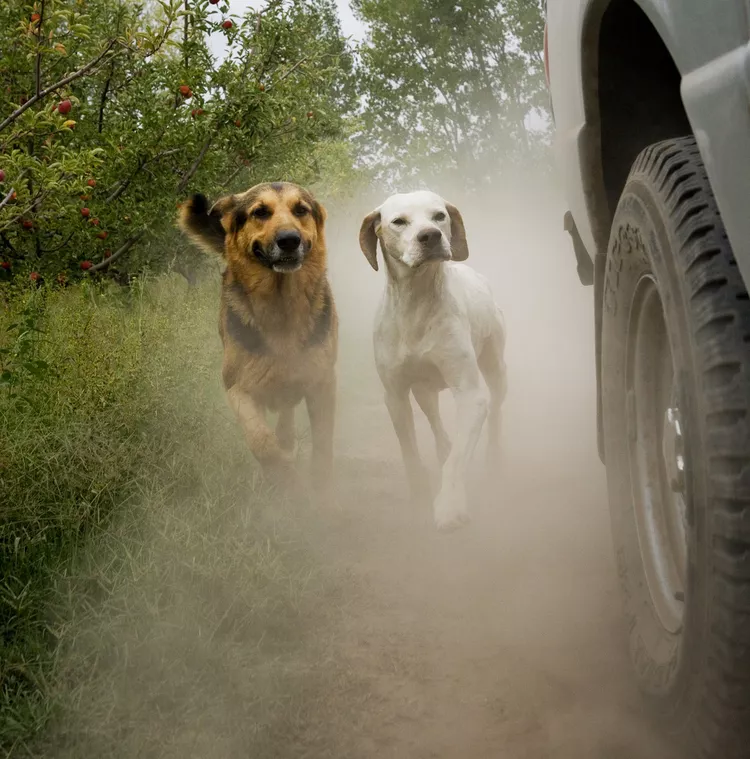
Dogs are naturally wired to chase cars and other moving objects. When they don’t have appropriate outlets or training, they chase bicycles or even cats or kids. Chasing some things, though, can get dogs into trouble with owners, the neighbors, or even get them hurt or killed. Learn how to train your dog to stop chasing.
Dogs evolved as endurance specialists. Wild canines, like wolves and coyotes, use speed to run down prey. Domesticated dogs are but one step away from their wild cousins and have retained this instinct to run. The urge to pursue moving objects is hard-wired into the canine brain. This is a natural hunting behavior that is demonstrated whenever your pup chases a ball, Frisbee, or squirrel.
Through selective breeding, people have redirected these hunting instincts so that the Labrador stops short of a killing bite and instead retrieves the prey with a soft mouth, for example. Herding breeds continue to feel compelled to chase after and “push” moving objects like sheep in a specific direction.
All dogs enjoy the chase, but particular breeds developed for specific kinds of work are typically more obsessive than others. Consider your dog's breed if you have to have chasing issues. Greyhounds, whippets, and most terriers are attracted to pursuing and even attacking small animals. These breeds can pose a danger to cats, smaller dogs, or farm animals like chickens or rabbits. Shepherd breeds are more likely to chase larger livestock, as well as cars, bicycles, and jogging people in a misguided effort to herd them.
To teach what not to chase, your pup must first be trained to leash walk nicely and to understand the "sit" and "stay" commands. These are essential in keeping your dog where you want it. Once those are mastered, your dog can learn not to chase.
The goal is to expose your dog to staged situations that prompt chasing behavior, such as livestock or cars. Place your pup on a 6-foot leash (as a safety precaution should the dog bolt), and give the sit/stay command. Next, have a friend slowly ride a bicycle, drive a car, or jog by the pup, while you continue to enforce your puppy's sit/stay position.
Distract your dog with a food reward, praising it for not chasing. As soon as it begins to agitate about running after (whining, growling), make an about-face and walk the other direction while praising and offering treats. You want the pup to associate the car/bike/jogger presence with treats as it walks away from the enticement.
Gradually increase the speed of the passerby, and continue to intermittently reward your pup for sitting still as it approaches, and then turning away to get treats once it’s near. Drill with these setups over and over until the dog looks at you after he sees the passerby rather than wanting to approach and chase. It's impossible to totally eliminate the chasing behavior, but it can be redirected.
Enforce appropriate boundaries for your dog: A fenced yard or leash confinement when off your property teaches it the rules and prevents it from chasing livestock or other off-limits objects. Obedience training is necessary if you are to control your pup's bad habits.
Give your puppy alternatives to satisfy this normal urge. Interactive games such as fetch alleviate the urge to chase and provide a bonding experience for the two of you. Relieving your puppy’s boredom can help avoid chase behaviors that arise from frustration and loneliness. There are also organized dog sports such as herding trials for shepherd breeds, lure-coursing for sighthound breeds, and go-to-ground for terriers that reward these innate behaviors in controlled settings.
The owner of a dog that chases inappropriately is liable if the dog hurts someone or damages property. The chasing dog is also at risk of being injured or killed if it chases a car, or by the other animal or person defending themselves. In some areas, property owners are within their rights to shoot dogs that harass livestock.
You'll want to be able to redirect your dog's urge to chase with any sudden stimulant, so be sure to practice this technique with a variety of passersby. If you practiced first with a bike passing, try it with a slow-moving car, and have someone repeat the exercise while jogging. Be sure to always secure your dog's leash when an unfamiliar type of passerby is near, and never let your dog chase with a long leash on and then hit the end of the leash at a full-on run. This can severely damage your dog's neck and vertebrae.
If your dog continues to chase even after training, you may want to speak with a canine behavioral specialist. Chasing behavior can be dangerous (or deadly) for the dog, especially if your dog likes to chase cars. A specialist may be able to help identify issues, breed habits, or something else that is causing your dog to constantly chase.

Swollen Lymph Nodes in Dogs
Dogs' lymph node glands may become enlarged due to infection or disease. Learn the causes, treatment, and prevention.
What Is Spaying? All About the Procedure in Dogs
What is a spay? Should you have your dog spayed? Learn what it means to spay a dog, a procedure also known as an ovariohysterectomy.
Can Dogs Eat Popsicles?
You might be wondering can dogs eat popsicles? Certain types of frozen treats are safe for your dog, but you need to be aware of ingredients and allergies
Can Dogs Drink Milk?
Dogs can have milk, providing they are not lactose intolerant. It should really only be given in small quantities though
Can My Dog Eat Tomatoes?
You'll want to keep Fido out of your garden since the tomato plant is toxic, but you can safely offer him ripe tomatoes as a nutrient-packed treat.
Can Dogs Taste Spicy Flavors?
While dogs and humans experience some flavors differently, dogs do taste spicy flavors and in some cases, this can be harmful for them.
Should You Allow Your Indoor Cat to Go Outside?
Here are pros, cons, and safety considerations for allowing indoor cats to explore outdoors and the indoor vs outdoor cats debate, plus safety tips.
Can My Spayed Cat Still Be in Heat?
If your cat was spayed but appears to be in heat, the condition may be caused by several factors. Learn about them here.
How to Keep Cats Cool in Summer
Summertime means heat and with increased temperatures, you have an increased risk of heatstroke in cats. Find out how to prevent heatstroke and keep your cat cool in the summer.
Taurine for Cats
Taurine is an essential animal protein in your cat's diet. Learn more about the various ways it supports your feline's body.
Why Is My Cat Always Hungry and Meowing?
A cat can act like it is always hungry, and there may be a medical reason for this. Learn what behavior is normal and when to see your veterinarian.
Elf Cat: Breed Profile, Characteristics & Care
Elf cats are a new, rare cross between a sphynx and American curl with curly ears and a playful personality.
Maine Coon Cat: Breed Profile, Characteristics & Care
The Maine Coon cat is of the largest cat breeds in the world. These amiable, gentle cats make great companions. Learn about the Maine Coon cat breed's appearance, temperament, health, and care needs.
Calico Cat: Breed Profile, Characteristics & Care
Calico cats boast unique tri-color coats, and they are famous for being both spunky and sweet. Learn about the calico cat color pattern.
Bombay: Cat Breed Profile, Characteristics & Care
The Bombay cat, a mix of the Burmese and the American shorthair, features an all-black coat, a stocky build, and a friendly demeanor.
Barbet: Dog Breed Characteristics & Care
Learn about the barbet dog, a French hunting breed that's tough to find in the United States. It's known for its curly coat and calm demeanor.
Bichon Frise: Dog Breed Characteristics & Care
The bichon frise is a fluffy little white dog with a joyful personality. Learn more about its appearance, personality, history, care, and more.
Australian Kelpie: Dog Breed Characteristics & Care
The Australian kelpie is an intelligent, high-energy dog breed developed for herding. Learn about the Australian kelpie, including temperament, appearance, history, and care needs.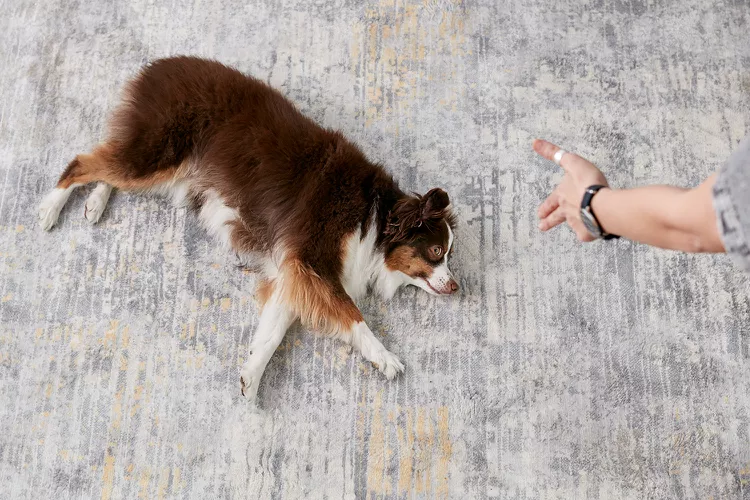
How to Teach Your Dog to Play Dead in 4 Steps
Playing dead is a fun dog trick that most dogs can pick up pretty quickly. Learn simple steps to teach your dog to play dead when you say "bang."
Different Meanings of a Dog's Wagging Tail
A dog wagging his tail is a common sight, but it may mean more than you think. Find out why dogs wag their tails and what canine tail wagging means.


